


Fruit Logistica 2026: How the fresh produce sector is tackling climate and consumer pressures


Key takeaways
- Plant breeding companies are strengthening fresh produce resilience to help growers address climate stress while supporting sustainable production.
- Companies like Bejo and Rijk Zwaan use resistance breeding, seed enhancement, and data-driven tools to improve crop performance.
- At Fruit Logistica, breeders are showcasing how genetics and technology address climate risks and shifting consumer demands.
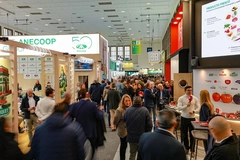 (Image credit: Messe Berlin).
The global fresh produce market is transforming, shaped by mounting climate pressures, shifting consumer expectations, and the need for greater supply chain resilience. As fruits and vegetables remain central to health-driven diets worldwide, producers face challenges balancing quality and sustainability with innovation, as value-added applications become the sector’s defining features.
UN FAO data show global fruit and vegetable production exceeded 2.1 billion metric tons in 2023, while European Commission figures put the EU fresh produce sector at €68 billion (US$80 billion), representing 12.6% of total agricultural output.
These official figures underscore the importance of fresh produce not only as an ingredient base for F&B products, but as the foundation for value-added foods and beverages. Protecting them against crop diseases and pests is a necessity, as producers explore various methods to elevate crop protection.
Food Ingredients First speaks with Netherlands-based Bejo and Rijk Zwaan about how plant breeding and machine learning tools are strengthening disease resilience and sustainability across the fresh produce chain amid shifting consumer demands and climate pressures.
The companies are showcasing their latest breeding innovations and seed technologies at the ongoing Fruit Logistica trade show in Berlin, Germany (Feb 4–6). Over 2,500 exhibitors from around 90 countries are taking part.
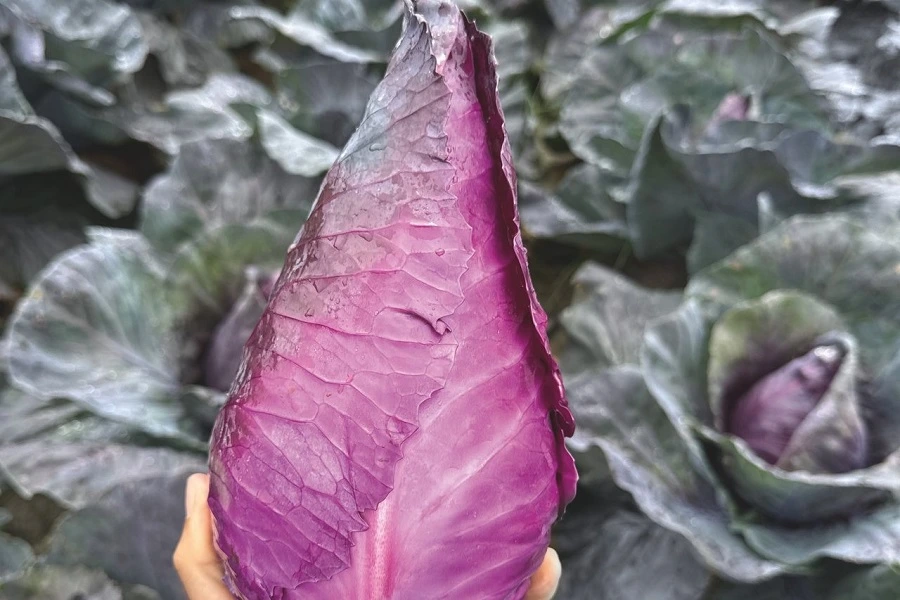 Bejo’s red pointed cabbage with a distinctive colour can be integrated into existing cultivation systems (Image credit: Bejo).Ensuring a sustainable and consistent global fresh produce supply is a challenge for growers in the face of climate change, which “increases pressure on growers worldwide,” says Daniëlle Bruin, food and value chain manager at Bejo.
“More extreme conditions demand robust, reliable, and resistant varieties. By investing in resistance breeding and seed enhancements, we help secure stable yields and reduce production risks across diverse environments.”
“Our technologies — such as B-Mox priming and advanced resistance breeding — support stronger seedlings, improved stress tolerance, and healthier crops, leading to higher yields, fewer inputs, and more sustainable production throughout the chain.”
Future-proofing fresh produce
Bejo is showcasing the effects of the B-Mox seed enhancement process during Fruit Logistica to help visitors “experience how our genetics support a resilient, future-proof vegetable chain,” says Bruin.
“We present B-Mox seed enhancement, progress in resistance breeding, and a range of promising new varieties, including carrot Belfast (Bejo 3497), leek Snooker (Bejo 3612), white cabbage Affection (Bejo 3611), red pointed-headed cabbage Red Power, and several organic introductions, such as Alcantara (Bejo 3603).”
The company is introducing varieties with “high or intermediate resistances” to certain pests and diseases, with improved storage qualities and reduced risk profiles for growers, says Bruin. Its crop innovations contribute to more reliable yields and reduced risks for growers by providing stronger resistance to challenges like mildew and fusarium.
Rijk Zwaan, a family-owned fruit and vegetable breeding company, supplies high-quality seeds across over 30 crops to professional growers in over 100 countries for greenhouse, protected, and open-field production.
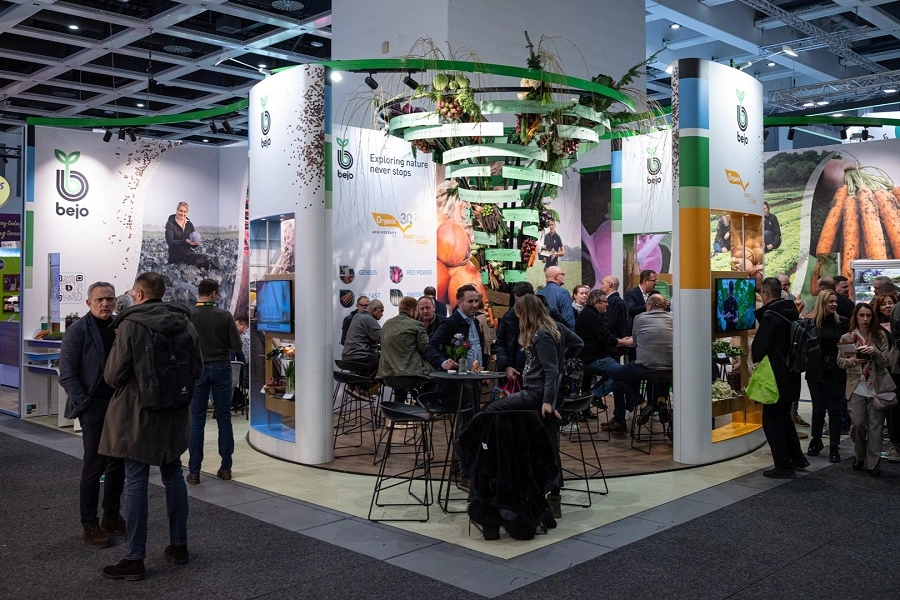 At Fruit Logistica, Bejo is showcasing how its genetic techniques support a resilient, future proof vegetable chain.“A reliable year-round supply starts with strong crops. At Fruit Logistica, we are showcasing innovations that help growers produce healthy crops and secure production,” Jan Doldersum, manager for Chain & Retail at Rijk Zwaan, tells us.
“This not only strengthens their business but also ensures the fresh produce chain and retailers can offer consumers the quality they expect, every single day.”
Consumer appeal
Rijk Zwaan is responding to consumers’ changing diet preferences, as a focus on health is increasingly driving food choices.
“Vegetables are the foundation of a healthy lifestyle. We’re proud to highlight varieties that deliver not just great taste but are also a natural source of vitamins, like our peppers Tatayoyo and Sweet Palermo,” says Doldersum.
Tatayoyo offers manufacturers a unique taste profile, with company taste tests revealing that 89% of consumers enjoyed it when cooked. Chefs also favor the pepper, which has earned three stars from the International Taste Quality Institute.
Its intense sweetness comes from a high Brix level of around 10 and a unique aroma profile, with 19 flavor compounds not found in other peppers. Brix level refers to the concentration of natural sugars in the pepper, which directly affects how sweet it tastes.
The Sweet Palermo pepper is a healthy, sweet variety with a juicy texture, distinctive, rich sweetness, and a delicate, thin skin that enhances culinary preparations.
Meanwhile, Bejo is responding to consumer demands with attractive vegetables, such as “Red Power” — a new concept that gives the familiar pointed-headed cabbage “a bold twist.” Its vibrant color, fresh taste, and crisp texture elevate its consumer appeal in market shelves and in the kitchen.
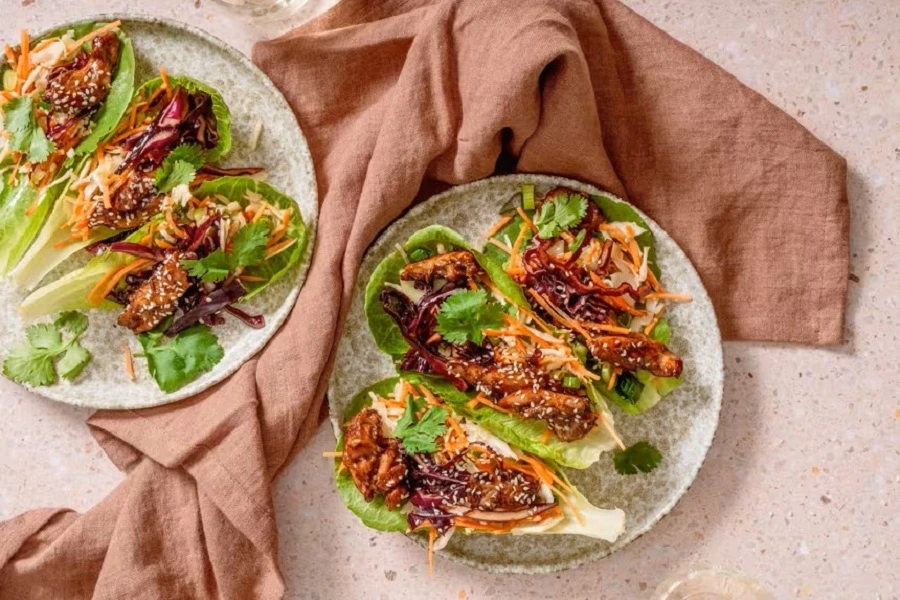 Rijk Zwaan’s Crunshella is a sweet, crunchy mini Snack Lettuce available throught the year (Image credit: Rijk Zwaan). “Consumers seek healthy and tasty products. We respond with products like Red Power pointed-headed cabbage (Red Power | Bejo), diverse color ranges in carrots and brassicas, and concepts like Purple Power and snack veggies — all meeting demand for convenience, nutrition, and visual appeal,” says Bruin.
Leveraging technology
Rijk Zwaan breeds fruit and vegetable varieties for modern growing methods like vertical farming and hydroponics.
“Together with partners, we test light recipes, compact growth, and options for mechanical harvesting. This helps growers deliver fresh produce year-round to retailers, foodservice, and processors,” says Doldersum.
In the 2024/2025 financial year, Rijk Zwaan spent over €200 million (US$236.17 million) on R&D focused on biotechnology, phytopathology, seed technology, and (genomic) breeding.
“We use DNA marker technology and genomic selection to improve the predictability of crossing and selection, enabling our breeders to make data-driven decisions faster. Meanwhile, machine learning gives us a better understanding of protein interactions in plants.”
These methods help the company “recognize patterns, predict which proteins could work together to provide resistance against pests and diseases, and gain insights into how plants respond to stress factors such as drought.”
“Thanks to this knowledge, we are able to accelerate the development process and shorten the time to market for new varieties,” Doldersum adds.
The future of fresh produce
Doldersum anticipates that investments in a healthy and sustainable food chain will drive the most significant opportunities for the fresh produce industry in the coming years.
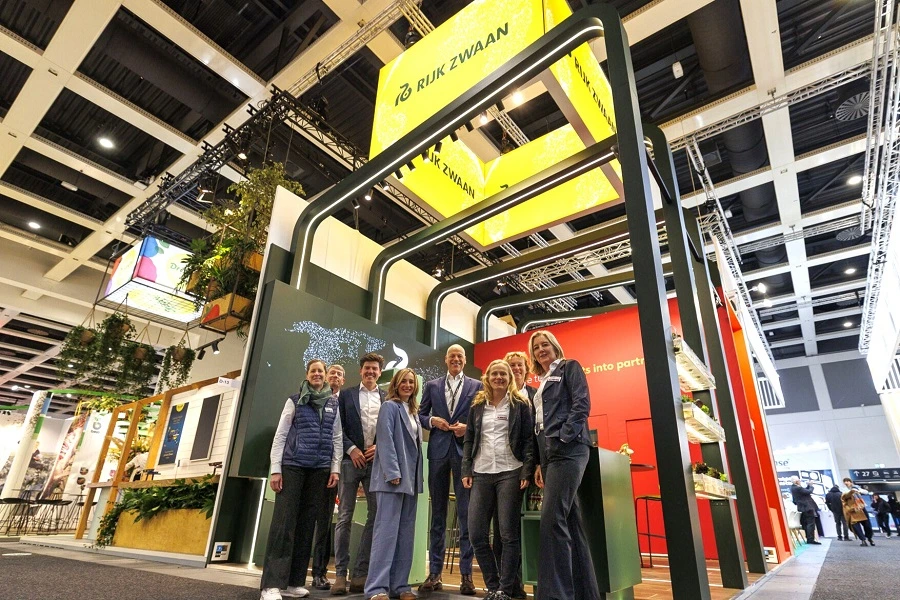 Rijk Zwaan is showcasing products developed by its breeding teams for growers and retailers at Fruit Logistica.“We invest 30% of our annual turnover back into R&D. This enables us to develop varieties with resilience: less susceptible to plant diseases, less dependent on chemical crop protection agents, and better able to cope with extreme heat or drought,” he says.
“Moreover, our varieties are aligned with local cultivation methods, new growing systems, food traditions, and consumer preferences. This is how our seeds contribute to both food security and future-proof food production.”
Bruin expects the biggest opportunities to lie in sustainable production, resilient genetics, and data-driven supply chain collaboration.
“Challenges will come from climate change, labor scarcity, and evolving consumer expectations. Innovation will be essential to keep the fresh produce chain reliable and future-proof,” she says.