




Texture and flavor innovation unlock new applications at Fi Europe 2026
Key takeaways
- Aeration and heat-stable inclusions were opening new applications for familiar ingredients.
- Sensory performance had to last through preparation, transport, and consumption.
- Foodservice trends and regional preferences were helping shape retail product development.

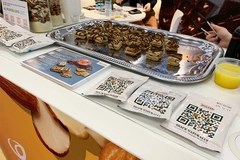 The Almond Board of California at Fi Europe 2026.
Peanut butter made lighter and suitable for piping into desserts. Fruit-filled pearls used as liquid centers inside baked goods. Pizza cheese designed around the texture consumers would experience after delivery.
At Fi Europe 2026 in Frankfurt, Germany, last week, suppliers demonstrated how changing texture could expand the uses of familiar foods. Their examples connected ingredient behavior with new formats and eating occasions, while flavor developers described demand for comfort, enjoyment, and regional relevance.
The work went beyond improving the first bite at a tasting stand. Developers also considered what happened in the oven, during transport, and when an idea moved from foodservice to retail.
Air changes what nut butter can do
Olenex presented a silky nut butter concept made by replacing part of the peanut oil with a specialty vegetable fat. The nonhydrogenated fat enables aeration to create a lighter structure.
“We’re bringing in air bubbles, and it’s making the texture much more light and fluffy,” Chantal van der Meer, product innovation manager at Olenex, told Food Ingredients First.
The change created opportunities beyond a conventional spread. Van der Meer described uses in vegetable dips, breadstick accompaniments, and piped desserts, with options across sweet and savory applications.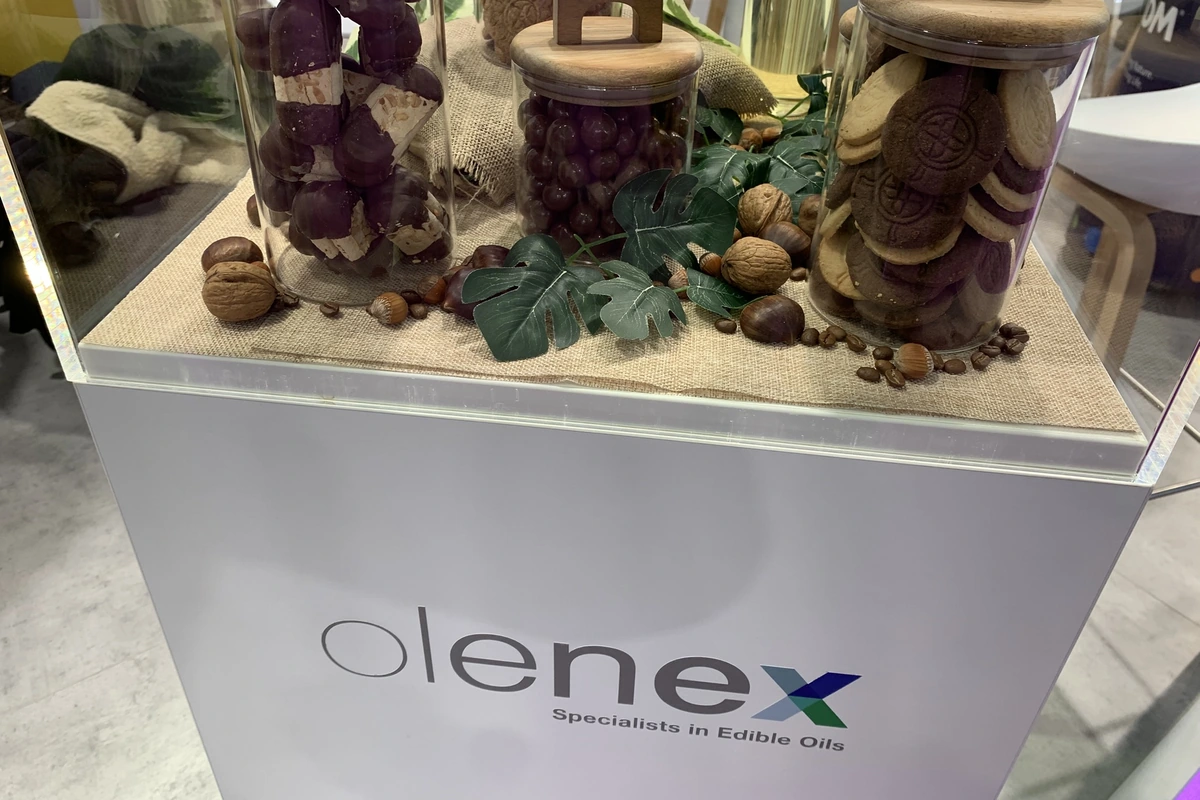 Olenex’s aerated nut butter creates possibilities for dips, spreads, and desserts.
She said the fat system supported the air structure without additional emulsifiers or stabilizers. “It doesn’t need emulsifiers, it doesn’t need stabilizers.”
For developers, the concept demonstrated how the physical behavior of an ingredient could change the eating experience and the uses of a product. The development brief included whether the result should be spreadable, dippable, or suitable for a dessert application.
Bringing a liquid center into bakery
Across the show floor, Zentis took texture into baked goods with heat-stable popping boba designed to retain its liquid center during heating.
Stefan Wilke, head of innovation and strategic projects, saw the appeal in the combination of sensations the inclusions made possible.
“Texture, texture, texture. That’s why it [popping boba] has become popular right now,” he said.
The fruit preparation specialist uses real fruit juice in its popping boba and can adjust flavors. Its wider range also includes freeze-stable pearls for ice cream, either within the product or as a topping.
The heat-stable version extends the concept into batter and heated fillings. Wilke described the possibility of combining a crunchy bakery exterior with liquid-filled inclusions inside, giving developers another element to work with.
“We don’t replace anything,” he said.
The distinction matters to how a manufacturer evaluates the idea. It introduces a new sensory component that can become part of a product’s identity, with the application determining the surrounding recipe and process.
Designing for the journey home
Meanwhile, Kinisla’s cheese solutions showed how the consumption occasion could define the texture brief.
Thomas Hämmelmann, managing director of nutritional ingredients at Kinisla, said its Cheezerella range could complement conventional mozzarella or be used in blends for pizza applications.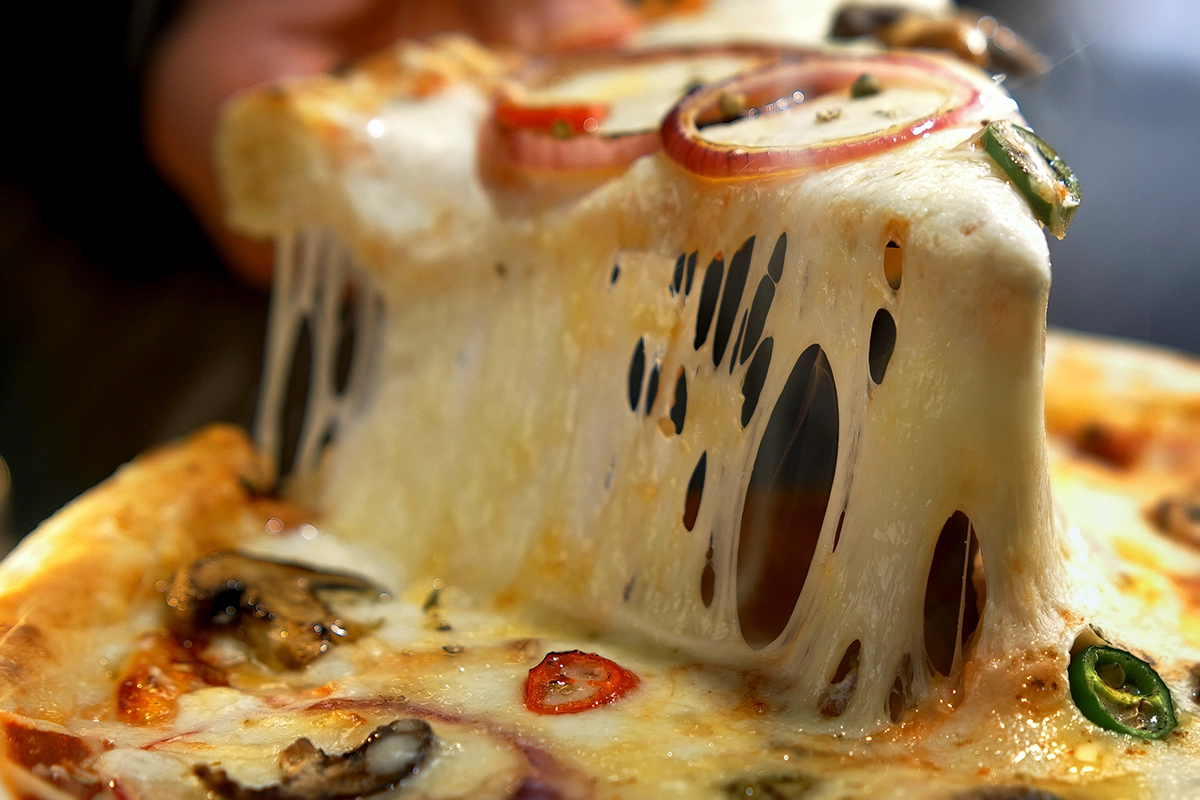 Kinisla has designed pizza cheese solutions around stretch and softness after delivery.
Home delivery is one example of these performance requirements. The cheese has to remain appealing after the pizza has traveled, rather than being judged only when it has left the oven.
Hämmelmann said the range “will stay softer longer, and will give good stretching characteristics.”
The company also tailors cheese solutions for appetizers, sauces, and other culinary uses. The required melting behavior and finished texture depend on the application.
These are sensory decisions with commercial consequences. A product intended for delivery, refrigerated retail, or immediate consumption can face a different set of expectations even when the underlying food is familiar.
Enjoyment has a place in functional foods
ADM sees sensory development as a way to respond to consumers’ desire for both functional benefits and enjoyment.
Coralie Garcia, senior flavor product marketing manager for EMEA, said the company’s 2027 flavor and color outlook reflects consumers weighing what they need against what they want.
“They want emotional uplift,” she told Food Ingredients First.
Comforting flavors, new combinations, and engaging colors can help manufacturers make health-positioned foods more enjoyable. Garcia described opportunities to bring pleasure into the experience of consuming functional products.
That requires understanding the customer formulation and working with application teams to maintain consistency. A flavor or color has to fit the food, its production conditions, and the experience the brand wants to deliver.
In Frankfurt, the Almond Board of California demonstrated different sensory roles for the same ingredient through creamy almond butter formats, portable bars, and crunchy chili crisp crackers.
Charice Grace, from the organization’s trade marketing team, said almond forms can complement other ingredients in a formulation. Almond butter can contribute creaminess, while flour and pieces provide different routes to texture and product development.
Cosun Ingredients made a similar distinction between a product’s nutritional attributes and the experience offered to the consumer.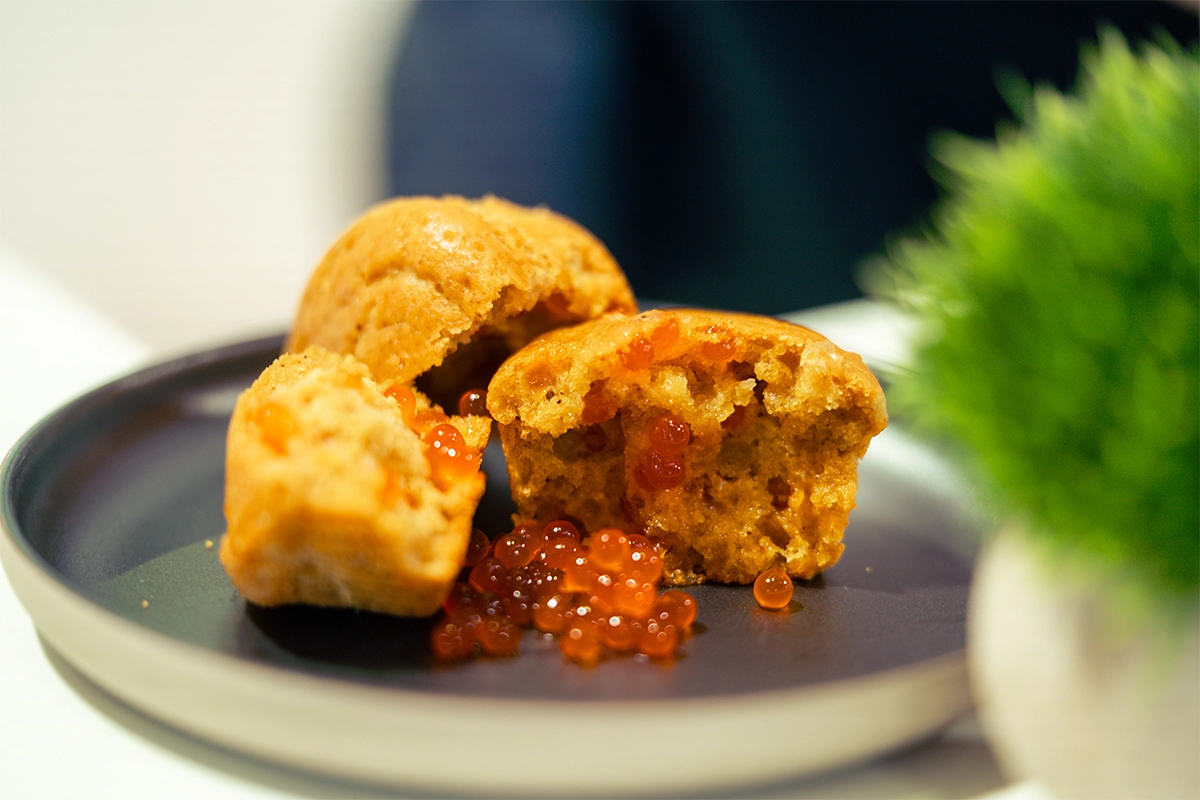 Zentis’ heat-stable popping boba retains liquid centers in baked goods.
“‘Functional’ is not the headline. The great experience is the headline,” said Michiel Pronk, sales lead for protein.
His point applies to the company’s bars, drinks, and confectionery: developers want to make the combination of taste, texture, and nutritional benefits work within a recognizable food.
Local flavors need local development
Biolev by Levapan showed how an established ingredient portfolio could support new applications. Paola Gil Bernal, regional manager for Africa, Europe, and Asia, said the company had been developing spicy and fermented flavor profiles, including applications drawing on sauerkraut and kimchi.
“More than bringing new products, we are bringing new developments of applications,” she said.
The company worked with local technical partners to understand preferences and adapt formulations. Gil Bernal said neighboring countries can have different flavor expectations, limiting how far a recipe can simply be transferred between markets.
For Cargill, understanding those boundaries also means understanding the brand. Geert Maesmans, vice president of research and development, said development work starts with the consumer and what people will accept in a particular product.
At the event, Cargill also discussed Coconera’s melt, mouthfeel, and flavor release, comparing formulations with a cocoa butter reference.
Foodservice points toward retail
Zentis is looking to foodservice for signs of where demand could develop next. Wilke identified quick-service restaurants as an important setting for new inclusions and drink experiences, with opportunities to adapt successful ideas for retail.
The company is combining market intelligence, application development, and customer workshops to explore those possibilities. Its facilities allow teams to test preparations within finished foods, such as muffins, croissants, and ice cream.
Wilke described an approach that could find new uses for existing ingredients as well as introduce new ingredients into established categories.
“We have traditional products that we sell in new applications, and new products that we sell in old applications,” he said.