


Sourness study reveals consumer insights for targeted F&B formulation


Key takeaways
- A US study reveals sourness varies by acid, as different organic acids create distinct sourness and mouthfeel perceptions, even at the same concentrations.
- Consumer preferences differ in how they experience and like sourness, helping food manufacturers tailor products to specific tastes.
- Understanding sourness perceptions can guide food companies in optimizing flavors and creating consumer-targeted products.
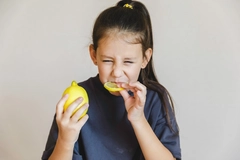
Scientists in the US have found that consumers experience sourness in food not just as a taste but also as a puckering (mouth-tightening) sensation and drying, due to different organic acids that impart the “sour” flavor to foods like sauerkraut, pickles, and citrus fruits. The findings can help guide F&B manufacturers in tailoring sour products to different consumer preferences, since different acids produce varying sourness and mouthfeel.
The team at Pennsylvania State University, US, found that sourness perception varies across different organic acids, even at the same concentration. Citric acid was the most sour and puckering, while lactic acid was the least.
Organic acids are widely used by the food industry as acidulants, providing complex flavor profiles in foods and beverages.
“Beyond just being interesting, these findings might help guide the food industry in making formulations for sour foods because these different acids have subtle taste and mouthfeel nuances to them,” says study senior author Helene Hopfer, associate professor of food science in the College of Agricultural Sciences.
“Equal amounts of different acids do not create equal sourness or mouthfeel. People vary widely in both how much sourness they like and how strongly they perceive it.”
The findings, published in Food Quality and Preference, build on the scientists’ 2024 study, which revealed that nearly one in eight adults like “intensely sour sensations” and exceptionally sour foods.
The new study investigates why different acids taste differently sour, why people disagree on how sour things taste, and why some people love sour foods while others really don’t.
The findings come as consumers increasingly look for “multi‑sensory experiences” that include texture, aroma, and visual appeal, according to Innova Market Insights Top Global Flavor Trends 2026. Taste profiles like sourness can be considered in combination with texture and sensory context, not just as a single taste attribute.
Analyzing consumer perceptions
The participants recruited for the study were 71 “everyday consumers” — not trained tasters — who eat or drink sour foods at least once a month.
 Understanding consumer sourness preferences helps manufacturers tailor food products to specific tastes, enhancing appeal.They tasted water solutions containing equal amounts of five acids: lactic (found in sauerkraut, pickles, and milk), malic (Granny Smith apples), fumaric (papayas, pears, and plums), tartaric (abundant in grapes), and citric (citrus fruits and juice).
The scientists tested each acid at four increasing concentrations, followed by the participants’ rating of sourness, puckering, drying, and overall liking.
Results revealed that citric acid produced the strongest overall sourness and puckering. The participants fell into one of three groups: those who disliked the taste more “immediately” as sourness increased; those who disliked the taste more gradually as sourness increased; and those who liked the “food experience” more as sourness increased..
The group that liked the sourness reported consuming more citrus fruit juices and tart fruits.
Leveraging sourness in F&B
Understanding how consumer preferences for sourness and its associated mouthfeel differ can help food companies target specific groups with products tailored to their preferences, thereby enhancing the appeal of sour foods, such as sour candies, pickled products, and beverages.
“People vary widely in both how much sourness they like and how strongly they perceive it. These differences matter most for acids other than citric acid and could be important for food formulation, product optimization, and tailoring sour foods to different consumer segments,” says John Hayes, author and professor of food science at Penn State.
In previous surveys, the team found a link between consumer flavor preferences and personality type, such as those who like spicy food tend to be motivated by rewards and are inclined toward taking risks. They also previously found that those who like and seek out bitter tastes, such as pale ales, are more prone to taking risks.
However, in this study, participants who preferred sour taste did not show different personality traits from the other groups, suggesting that sour preference is linked to dietary exposure, not personality.
“We looked at whether or not personality traits were related to a strong liking of sour taste because we've done a lot of work showing that people who like the burning sensation from chili peppers are risk takers and adventure seekers,” says Hayes.
The US Department of Agriculture’s National Institute of Food and Agriculture funded the research.




Upcoming webinars

Oat-Standing Ingredients - Showcasing Irish Grain Through Innovation
Tirlán Ingredients

2027 Food Safety Risks for Quality & Compliance Leaders
FoodChain ID

Formulating for function: Developing benefit-led beverages with natural colours, botanicals, and flavours
Givaudan Sense Colour