

EU Breakfast Directive: Cargill’s reformulation strategy for jam manufacturers to stay ahead


Key takeaways
- Standard jams must now contain at least 45% fruit, and extra jams 50%, requiring careful reformulation.
- Adjusting sugar, pH, and pectin systems is essential to maintaining texture and stability.
- Cargill says manufacturers that start reformulation now can meet regulatory deadlines while maintaining quality, cost efficiency, and consumer appeal.
The revised EU Breakfast Directive is entering its final implementation phase, with full enforcement set for June 2026. What may appear to be a routine update to rules on honey, fruit juice, and jams is, in reality, a significant shift toward greater transparency, stricter product definitions, and enhanced consumer protection.
For F&B companies operating in or exporting to the EU, the directive introduces not only new compliance requirements, but also immediate operational and strategic implications that demand action for compliance.
The legislation introduces several key changes, including stricter origin labeling for honey, higher minimum fruit content in jams, reducing sugar in fruit juice, and clearing the way for the production of lactose-free evaporated milk.
Companies that act early can turn compliance into a competitive advantage, but those that delay risk disruption.

Industry urged to rethink fruit-based formulations
Against this backdrop, Cargill is urging manufacturers to begin reformulation work now to get ahead of the curve.
Food Ingredients First speaks with Clarisse Loiseau, R&D application specialist for fruit at the company, to discover how manufacturers can refine their formulations, validate production processes, and ensure that the final product continues to meet both regulatory requirements and consumer expectations.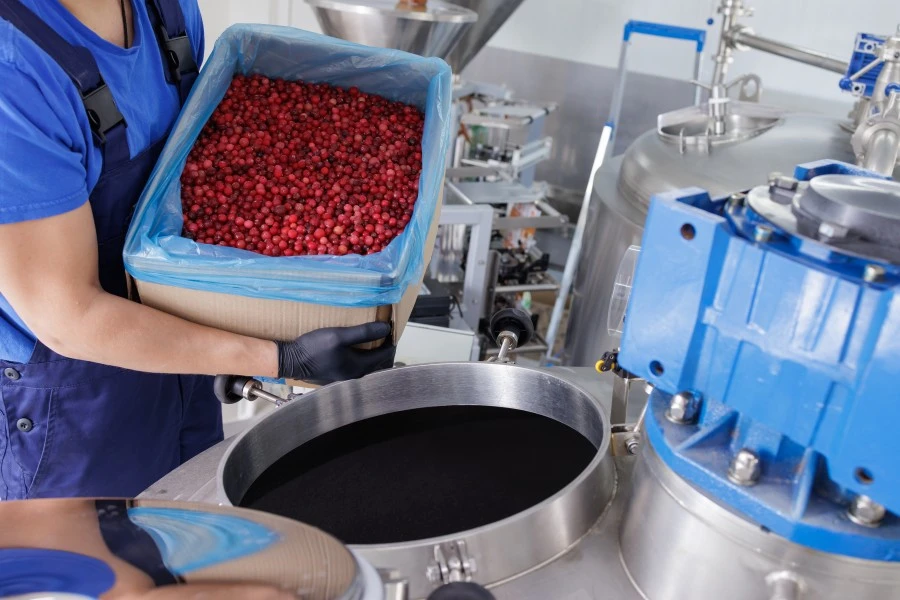 As fruit thresholds rise under the EU Breakfast Directive, manufacturers are reworking recipes to balance taste, texture, and compliance.
She highlights that collaboration with ingredient experts can also help accelerate this process by identifying the most suitable pectin systems and formulation strategies for each application.
“Manufacturers who have not yet evaluated the impact of the directive on their existing formulations should consider reviewing their current recipes against the new minimum fruit content requirements. This may help identify which products may require reformulation before the new rules take effect,” Loiseau tells us.
“From there, it is important to conduct formulation trials to understand how increasing fruit content affects texture, gel strength, and processing behavior. Pilot testing can help determine whether adjustments are needed to the pectin system, sugar balance, or processing conditions.”
The intention behind these changes is to support healthier dietary patterns by structurally limiting the amount of added sugars and encouraging formulations that are more fruit-forward.
“The directive represents both a regulatory shift and a technical and economic challenge for product developers across the industry,” Loiseau continues.
“For manufacturers, however, the impact goes well beyond regulatory compliance. Increasing fruit content alters the functional balance of the formulation, affecting how ingredients interact during processing and storage. It also has economic implications, as fruit is typically one of the most expensive components of the formulation, meaning that higher fruit levels can increase overall product cost.”
Changes to fruit content requirements for jams
One of the most significant changes introduced by the revised EU Breakfast Directive is the increase in minimum fruit content required for jams and extra jams. Standard jams will now need to contain at least 45% fruit, up from the previous 35%, while extra jams must contain at least 50% fruit.
The increase in fruit content that will be required for jam does raise practical challenges for manufacturers.
Pectin remains one of the most important ingredients in fruit spreads because it is responsible for creating the gel structure that defines the product’s texture.
Reformulating an existing jam recipe is rarely as simple as increasing the amount of fruit in the formula. Fruit brings its own natural composition of acids, sugars, minerals, and fibers, all of which influence how the product behaves during processing and storage, Loiseau explains.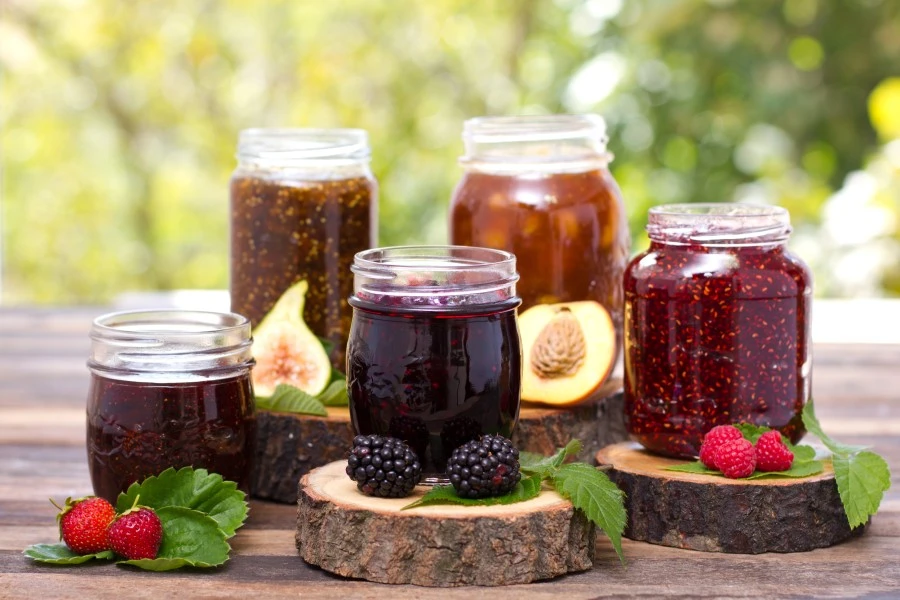 Under the revised EU Breakfast Directive, standard jams need to contain at least 45% fruit, up from the previous 35%, while extra jams must contain at least 50% fruit.
“When fruit levels increase, the proportion of added sugars often decreases, which can change the gelation behavior of the product. At the same time, higher fruit content introduces greater variability because the composition of fruit can differ depending on the variety, harvest conditions, and season. These variations can influence factors, such as calcium levels and acidity, which play an important role in how pectin systems form gels.”
“As a result, companies may need to revisit existing recipes, adjust processing parameters, or adopt different ingredient systems that help maintain both product performance and cost efficiency. We see many manufacturers exploring how advanced pectin systems and formulation expertise can help achieve the right balance between functionality, fruit content, and overall cost efficiency.”
Jam formulation: A careful balance
Loiseau further explains how jam formulations rely on a carefully balanced interaction between fruit solids, sugar, pectin, and acidity to create a stable gel network. This network is what gives the product its familiar spreadable texture and helps maintain stability throughout shelf life.
“Increasing fruit content disrupts that balance in several ways. Fruit contributes additional water, fibers, and naturally occurring minerals, which can all influence the formation of the gel structure.”
“If these changes are not carefully managed, the product may become too soft, too firm, or less stable over time. Manufacturers, therefore, need to consider how the entire formulation system behaves rather than adjusting a single ingredient in isolation.”
Pectin selection is crucial
Different types of pectin behave differently depending on the composition of the formulation. Traditional high-methoxyl (HM) pectins rely heavily on high sugar concentrations and acidic conditions to form gels. In formulations where sugar levels are reduced or fruit content is increased, alternative pectin systems may be required.
Loiseau explains: “Low-methoxyl (LM) pectins, for example, form gels through interactions with calcium ions rather than relying primarily on sugar concentration. This can provide greater flexibility when developing high-fruit or reduced-sugar products, although the formulation must still be carefully balanced to ensure consistent performance.”
“In practice, selecting the right pectin system is often key to achieving both technical performance and formulation efficiency. Cargill’s application teams work closely with manufacturers to help identify pectin solutions that provide reliable gel strength and process stability while supporting cost-effective formulations, even as fruit content increases.”
Balancing pH, °Brix & gel structure
Fruit-based products are highly sensitive to the relationship between pH, soluble solids (often measured as °Brix), and the gelling system used in the formulation. When fruit content increases, the balance between these parameters shifts.
“Fruit naturally contributes organic acids that influence pH, while changes in sugar levels affect soluble solids and overall sweetness perception. These changes can influence the conditions under which pectin forms a stable gel. In addition, fruit also brings natural fibers that can interfere with how pectin molecules deploy within the system,” says Loiseau. The revised EU Breakfast Directive aims to give consumers clearer labeling, higher fruit content, and healthier product choices.
“These fibers may limit the mobility of the pectin chains and influence how the gel network develops, which can ultimately affect the final texture and stability of the product.”
Fruit also contains naturally occurring calcium, and the level of calcium can vary depending on the fruit type. Higher fruit content, therefore, often increases the amount of calcium present in the formulation.
“Since certain pectin systems react with calcium during gel formation, higher calcium levels can increase pectin reactivity and, in some cases, trigger premature or pre-gelation reactions during processing.”
“The gel structure itself, therefore, depends on a complex interaction between pectin molecules, sugar concentration, acidity, and mineral content. If any of these parameters move outside the optimal range, the gel network may form differently or become less stable,” she adds.
Formulation strategy depends on application
The formulation strategy a fruit-based company takes often varies significantly depending on the final application. Jam products typically rely on a strong, stable gel structure that allows the product to hold its shape, while still being easily spreadable.
Fruit preparations used in dairy applications, such as yogurt or ice cream, often require a different texture profile. These products may need to remain pourable or create ripple effects while maintaining stability during storage.
Loiseau also flags how bakery fillings present another set of challenges, particularly when they must withstand high baking temperatures without breaking down or losing their structure.
“Because each application places different demands on the formulation, manufacturers often need to tailor both the ingredient system and the processing conditions accordingly,” she says.
As implementation approaches, the focus is shifting from understanding the directive to executing against it. For manufacturers, success will depend on how effectively they can integrate formulation expertise, ingredient functionality, and process control into a cohesive strategy.
Those that move decisively now are likely to set the benchmark for product quality and consistency in the post-2026 market.


Upcoming webinars

Oat-Standing Ingredients - Showcasing Irish Grain Through Innovation
Tirlán Ingredients

2027 Food Safety Risks for Quality & Compliance Leaders
FoodChain ID

Formulating for function: Developing benefit-led beverages with natural colours, botanicals, and flavours
Givaudan Sense Colour