


AuX Labs founder: Solving the melt and stretch problem in animal-free cheese


Key takeaways
- AuX Labs secures US$4 million to commercialize its precision fermentation platform for animal-free dairy proteins.
- The company targets long-standing functionality gaps in alternative cheese, especially melt, stretch, and cooking performance.
- Funding will support scale-up, foodservice partnerships, and pilots aimed at pizza and other high-heat applications.
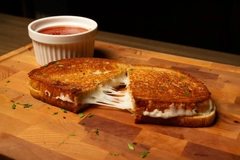
AuX Labs has secured US$4 million in funding to bring its precision fermentation platform to market, targeting one of the alternative dairy sector’s toughest challenges: delivering animal-free cheese with the texture, stretch, and melt performance required for foodservice.
Historically, animal-free cheese has struggled to match the melt and stretch of traditional dairy. AuX Labs believes it has cracked the code. The latest cash injection will propel the company to commercialize precision-fermented dairy proteins designed to perform in real-world kitchen settings.
Most existing alternatives still fall short on texture, melt, and overall cooking performance, leaving a clear gap in the market. For mainstream consumers, trial often depends on whether a product behaves as expected in everyday uses, like pizza or grilled cheese.
AuX Labs CEO and founder Ted Jin is aiming to close that gap. He tells Food Ingredients First about the company’s focus on delivering the cooking performance consumers actually expect.
With its precision-fermented casein achieving self-affirmed GRAS status in April 2025 and customer pilots already underway, AuX Labs is now shifting into commercial mode. It is using fresh capital to scale manufacturing, grow its team and build foodservice, and consumer partnerships in high-performance applications where functionality is critical.
What problem in plant-based cheese are you specifically trying to solve that others haven’t solved yet?
Jin: We’re solving the fundamental performance gap in animal-free cheese: the melt, the stretch, and the texture. For years, we’ve asked consumers and foodservice partners to accept a compromise. The biggest barrier to widespread adoption hasn’t been the mission — it has been the lack of authentic functionality. By focusing specifically on producing real casein protein — the critical component that gives dairy cheese its characteristic behavior — we are creating a product that performs exactly the way consumers expect traditional dairy to perform, without the trade-offs.
Why have texture and melt been such persistent challenges in alternative cheese products?
Jin: Texture and melt have remained persistent challenges because plant-based ingredients simply don’t behave like dairy proteins under heat and stress. The complex structure of cheese relies on casein, a highly functional protein sourced from milk. Without casein, plant-based alternatives cannot replicate the gooeyness and stretchiness that consumers know and love, particularly in demanding applications like pizza or grilled cheese. Cracking casein is the essential key to making a better animal-free cheese.
What does precision fermentation allow you to do that plant-based ingredients alone can’t?
Jin: Precision fermentation allows us to produce bioidentical casein, the exact protein found in cow’s milk, but made entirely without animals. We program yeast with the genetic blueprint for casein, and as it consumes simple feedstocks like sugar, it produces pure, highly functional dairy protein. This process enables us to replace the limitations of plant proteins and deliver the authentic melt, stretch, and sensory experience of traditional dairy, while also significantly reducing the emissions intensity associated with conventional dairy farming.
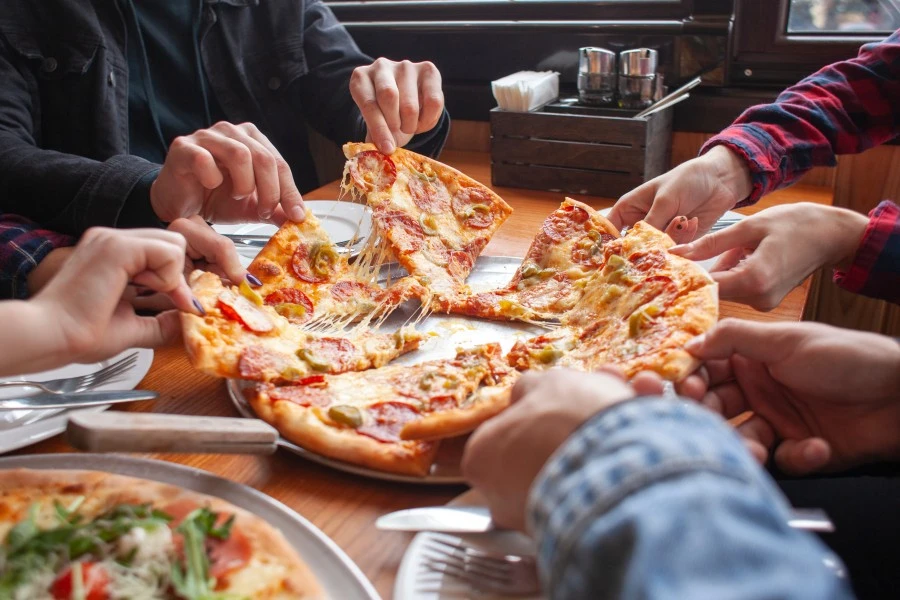 Aux Labs addresses several functionality gaps in alternative plant-based cheese, including the way animal-free cheese melts and stretches.
What stage is your technology at today, and what has already been validated in real-world use?
Jin: We’ve successfully produced casein biologically identical to the animal version, and have obtained self-affirmed GRAS status in the US. Our recent US$4 million funding round is accelerating our commercialization timeline. We’re currently preparing to launch pilot programs with select brand partners, specifically targeting high-performance applications like pizza and grilled cheese to validate our product with the toughest critics before expanding further.
What are the next steps to move from pilots to full commercial scale?
Jin: Our primary focus is on capital-efficient scaling. Instead of building massive, bespoke manufacturing plants, we’re leveraging existing, globally available fermentation and alcohol manufacturing facilities. Because our bioidentical casein behaves predictably and can slot directly into standard downstream cheese-making processes, we can utilize off-the-shelf equipment and co-manufacturing partnerships. This approach allows us to scale production based on demand without massive capital expenditure, ensuring a clear and cost-effective path to commercial scale.
Why focus on foodservice like izzerias and cafés first instead of starting in retail?
Jin: Our go-to-market approach is a direct expression of our technology: it can launch successfully anywhere. We’re putting our product to the ultimate test in foodservice partnerships where cheese performance is non-negotiable, and volumes are high — pizzerias and cafés. But the point is that no special process is required. It performs like the cheese we all know and love, regardless of who’s preparing it. We’re focused on finding people, brands, and outlets that will be great partners for AuX Labs.
What needs to happen for your product to compete directly with traditional dairy on cost and performance?
Jin: On performance, we’re already there by producing bioidentical casein that delivers the exact melt and stretch of traditional dairy. On cost, our capital-efficient strategy of reusing existing large-scale fermentation facilities is the key to price parity. We expect to have positive unit economics on the ingredient itself at our initial commercial launch scale. Our goal is to achieve price parity with premium dairy at launch, with a clear roadmap to broader accessibility as we scale, and our costs follow the predictable downward curve of technology.
If AuX Labs’ product works at scale, what changes most about how cheese is made or sold today?
Jin: If this works at scale, we’ll fundamentally decouple the production of high-quality, functional dairy proteins from the environmental and climate vulnerabilities of traditional animal agriculture. We’re setting a new standard for the category by delivering the authentic experience of dairy with the benefits of a more sustainable, climate-resilient, and efficient process. Ultimately, animal-free dairy will transition from being a premium alternative to becoming the default choice for the 90% of households that regularly consume dairy, thus transforming the US$200 billion global cheese market.




Upcoming webinars

Oat-Standing Ingredients - Showcasing Irish Grain Through Innovation
Tirlán Ingredients

2027 Food Safety Risks for Quality & Compliance Leaders
FoodChain ID

Formulating for function: Developing benefit-led beverages with natural colours, botanicals, and flavours
Givaudan Sense Colour