



FSIS expands heavy-metals testing to processed foods under updated three-agency MOU

Key takeaways
- A three-agency MOU updates its agreements on weekly FSIS and FDA contaminants residue reports for meat, poultry, and egg products.
- FSIS’s new 18-metal lab method will be used to expand its heavy metals surveillance to processed foods.
- The MOU suggests that feed and feed ingredient suppliers will be pulled into its scope under the “food for food-producing animals” provision.

As part of the latest Make America Healthy Again (MAHA) food safety push, the US Department of Agriculture’s (USDA) Food Safety and other government agencies unveil updates on how they coordinate detection and reporting of drug, pesticide, and chemical contaminant residues in meat, poultry, and egg products.
The Memorandum of Understanding (MOU) includes shared tolerance updates, and coordinated traceback for chemical residues and contaminants in meat, poultry, and egg products.
The Inspection Service (FSIS), the US Department of Health and Human Services’ (HHS) Food and Drug Administration (FDA), and the US Environmental Protection Agency (EPA) are working alongside the USDA.
At the same time, FSIS says it will extend its heavy metals surveillance to multi-ingredient processed meat products, such as sausages and ready-to-eat meals, using a new 18-metal lab method that detects heavy metals at “extremely low levels.”

“The announcement ensures a safer food supply by supporting new testing methods to reduce metal residues in produce, meat, and, for the first time ever, processed foods,” says EPA Administrator, Lee Zeldin. “We want Americans to feel confident the food on their plate has been held to the highest standards of safety.”
Feed enters scope
The MOU comes on the heels of the MAHA Report’s stated goal of reducing children’s exposure to heavy metals. The agreement covers finished meat, poultry, egg products, food-producing animals while under FSIS and FDA jurisdiction, and food for food-producing animals.
 FSIS will test multi-ingredient products, including sausages and ready-to-eat meals, using a new method capable of detecting 18 metals at very low levels.However, the MOU also explicitly states that “food-producing animals while under FSIS or FDA jurisdiction, and food for food-producing animals” are covered as well, pulling animal feed and feed-ingredient suppliers into the coordinated framework.
The framework’s scope suggests that a residue violation caught at slaughter could now be more likely traced back to the upstream suppliers of feed, feed ingredients, or animal medications.
“We are strengthening oversight, improving detection, and coordinating across the federal government to reduce exposure to heavy metals and other toxins,” explains HHS Secretary Robert F. Kennedy, Jr.
Coordinating agencies
The MOU also outlines each Administration’s roles for coordination.
The FDA determines “maximum levels (tolerances) for animal drug residues in edible tissues, including meat, milk, and eggs.” The EPA “establishes maximum levels (tolerances) or exemptions from the requirement of tolerances for pesticide chemical residues in food, including food for food-producing animals.”
Meanwhile, FSIS will run the sampling portion through the National Residue Program, which the MOU says “coordinates sampling and testing for chemical residues and contaminants.”
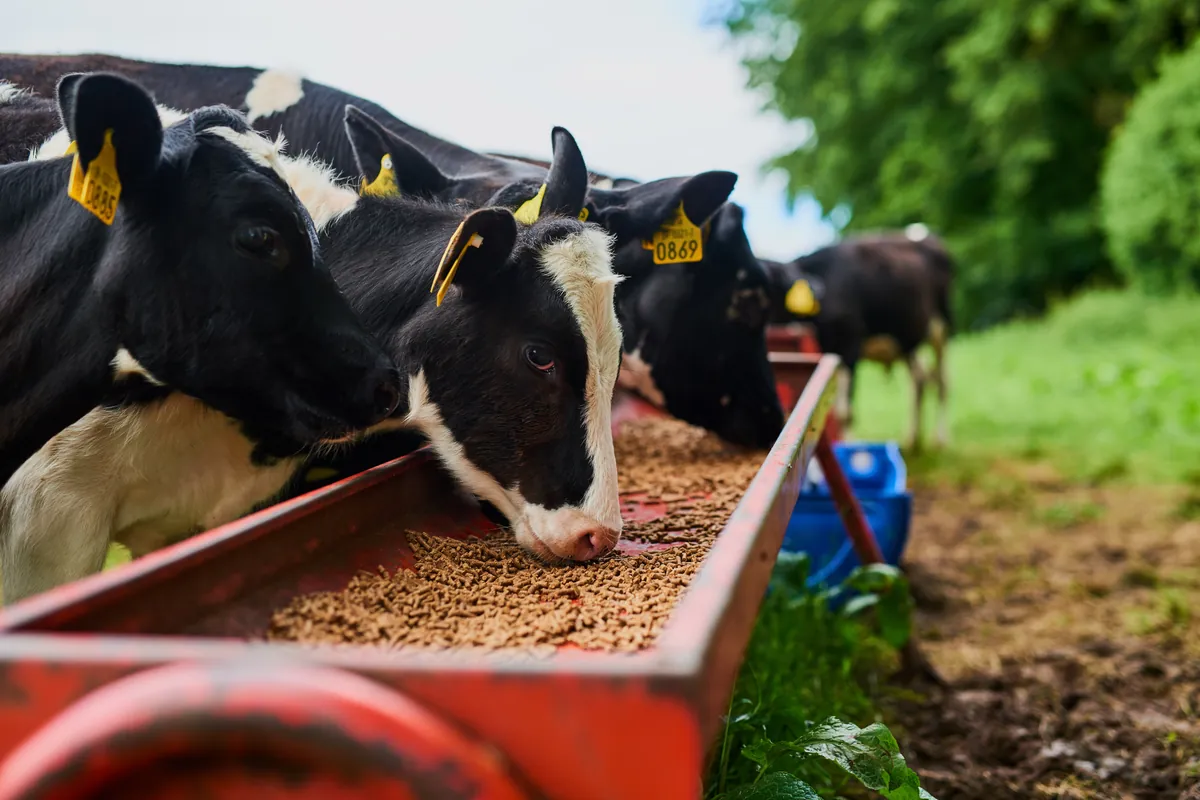 The framework brings animal feed suppliers into federal residue investigations.FSIS provides the FDA with weekly residue reports, which can trigger FDA investigations to “determine the party responsible for causing the tissue residue violation and the party responsible for introducing the adulterated food into interstate commerce.”
The FDA also agrees to investigate the circumstances leading to contamination of “food-producing animals” and their products, such as eggs.
Enforcing the rules
According to the MOU, the EPA will review reports from the FDA and FSIS and investigate the matter itself or defer possible violations to state enforcement authorities.
Moreover, the FDA and EPA agree to notify FSIS anytime the organizations “establish or amend a tolerance, an exemption from a tolerance, an action level, or a safe level for a drug, pesticide, or chemical contaminant.”
The agencies will also coordinate on the development of new action or screening levels for contaminants when appropriate. Furthermore, the FDA agrees not to reveal companies’ trade secrets to FSIS or the EPA ”without the express written consent of the originating Agency, unless required by law.”



Upcoming webinars

2027 Food Safety Risks for Quality & Compliance Leaders
FoodChain ID

Formulating for function: Developing benefit-led beverages with natural colours, botanicals, and flavours
Givaudan Sense Colour

Let's reveal the grain potential: Innovate
Meurens Natural