


Ohly: Tackling the challenge of creating authentic meat flavor in plant-based foods

Key takeaways
- Dark yeast extracts can help recreate the roasted, meaty depth and complexity consumers expect from meat.
- Yeast extracts can build umami and mouthfeel while helping address beany and chalky off-notes from plant proteins.
- Ohly says closing the plant-based flavor gap will require a combination of flavor chemistry, processing, and new ingredients.

Recreating the depth and complexity of cooked meat remains a key challenge for plant-based foods. While umami provides a savory foundation, the rich roasted and cooked-meat character consumers expect is largely shaped by the Maillard reaction and the complex flavor compounds generated during cooking.
Dark yeast extracts can help manufacturers build these characteristics while adding flavor depth, mouthfeel, and persistence. They can also help address the beany and chalky off-notes associated with plant proteins, such as pea, soy, and faba bean, supporting a fuller and more satisfying eating experience.
We speak with Ohly’s Daria Pashkova, marketing manager; Catharina Kleist, global lead expert, Precision Extraction; and Aaron Rasmussen, head of global applications, about how dark yeast extracts can help close the flavor gap – from creating roasted and meaty profiles to building umami and improving perceived juiciness.

What does “authentic meaty flavor” mean from a sensory perspective, and which flavor characteristics are the hardest to replicate in a plant-based ready meal?
Pashkova: From a sensory perspective, authentic meaty flavor is the combination of savory umami depth, roasted, cooked-meat notes, richness, juiciness, and long-lasting flavor that consumers associate with real meat. The hardest characteristics to replicate in plant-based ready meals are often the complex roasted and cooked-meat notes created during cooking, the juicy fatty mouthfeel, and the subtle bloody or mineral nuances of meat. At the same time, food manufacturers must manage beany or earthy off-notes from plant proteins.
A combination of dark and flavor modulation yeast extracts bridges these gaps by delivering savory depth, authentic roasted character, and greater flavor complexity, creating a more indulgent and meat-like flavor experience.
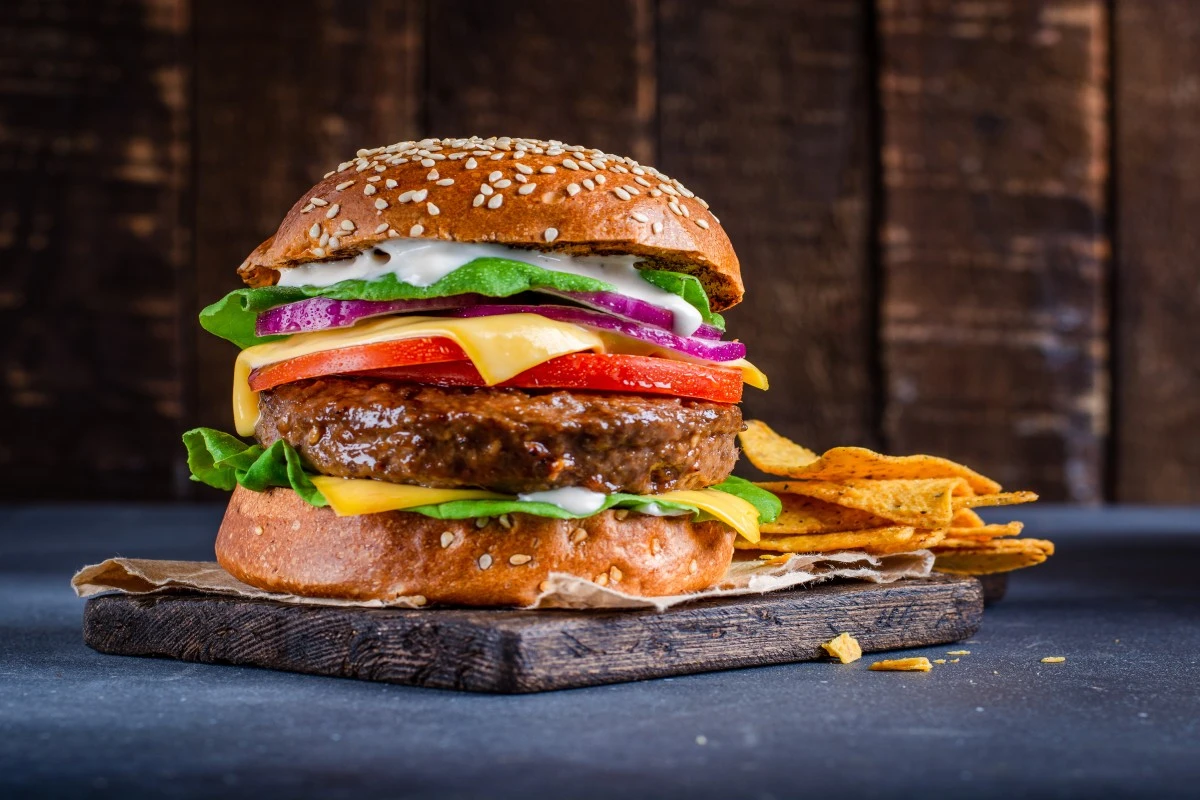 Dark yeast extracts can bridge the flavor gap, boosting umami and juiciness while adding roasted, meaty notes.
How do you control the Maillard reaction in yeast extract production to achieve a specific flavor profile rather than simply a darker color or more intense flavor?
Kleist: The flavor profile is controlled through both the composition of the yeast extract and the processing conditions. The key factors are the amino acids, peptides, and reducing sugars present, as different combinations create different flavor compounds.
During the thermal reaction, temperature, time, pH, and moisture content are carefully controlled. The process is tailored to achieve the desired flavor profile and is stopped at the appropriate point to prevent bitterness, burnt notes, or excessive browning. Color alone is therefore not a sufficient indicator of quality. What matters most is the sensory profile and its reproducibility. This makes it possible to create specific flavor characteristics, such as roasted, meaty, or bouillon-like notes.
Plant proteins can bring beany or chalky off-notes. How effective are dark yeast extracts at masking those characteristics, and can they eliminate the need for other flavor-masking ingredients?
Pashkova: Dark yeast extracts elevate the meaty notes already present in a product, adding depth, complexity, and authentic roasted character. While some of our dark yeast extract products contribute to masking off-notes, their effectiveness is further amplified when paired with our dedicated off-note masking solutions. We offer masking solutions in addition to dark yeast extracts. In plant-based products, such as pea protein burgers, dark yeast extracts work alongside existing flavor systems to recreate the richness and complexity of meat. Depending on the application, they can enhance roasted, cooked meat, bloody, and mineral notes, resulting in a fuller, more authentic flavor experience and a more indulgent product.
How much of the perceived “meatiness” comes from umami and glutamic acid, versus the roasted, caramelized, and other flavor compounds generated through the Maillard reaction?
Pashkova: Meatiness is driven by both umami compounds and Maillard reaction products, but they contribute in different ways. Glutamic acid and other umami components naturally present in meat provide the savory foundation of flavor perception. However, the rich, authentic character associated with cooked meat develops primarily during roasting, grilling, and other thermal processes through the Maillard reaction.
A useful comparison is boiled beef versus slow-roasted beef. While both contain natural umami compounds, slow roasting generates a complex mixture of roasted, caramelized, and meaty aroma compounds that define the characteristic flavor of cooked meat. During cooking, proteins and other flavor precursors are transformed, enhancing savory perception while creating the depth and complexity consumers associate with meat. In short, umami provides the backbone of meatiness, while Maillard-derived flavor compounds deliver the aroma, depth, and authenticity that make cooked meat taste truly meaty.
You mention that dark yeast extracts can contribute to “juicy mouthfeel.” What is driving that effect, and how does it compare with the mouthfeel consumers get from actual meat?
Rasmussen: The juicy mouthfeel is driven by a carefully selected blend of yeast-derived fractions that enhance salivation and create a fuller, more succulent sensory experience. Rather than adding moisture, these ingredients influence how texture is perceived in the mouth, helping products feel juicier and less dry during consumption. In addition, dark yeast extracts help mask the dry, astringent notes often associated with plant proteins, resulting in a smoother and more satisfying texture.
While they cannot fully replicate all the physical properties of animal fat and muscle fibers found in meat, they can significantly improve the perception of juiciness, and mouthfeel, helping plant-based products deliver a more meat-like eating experience.
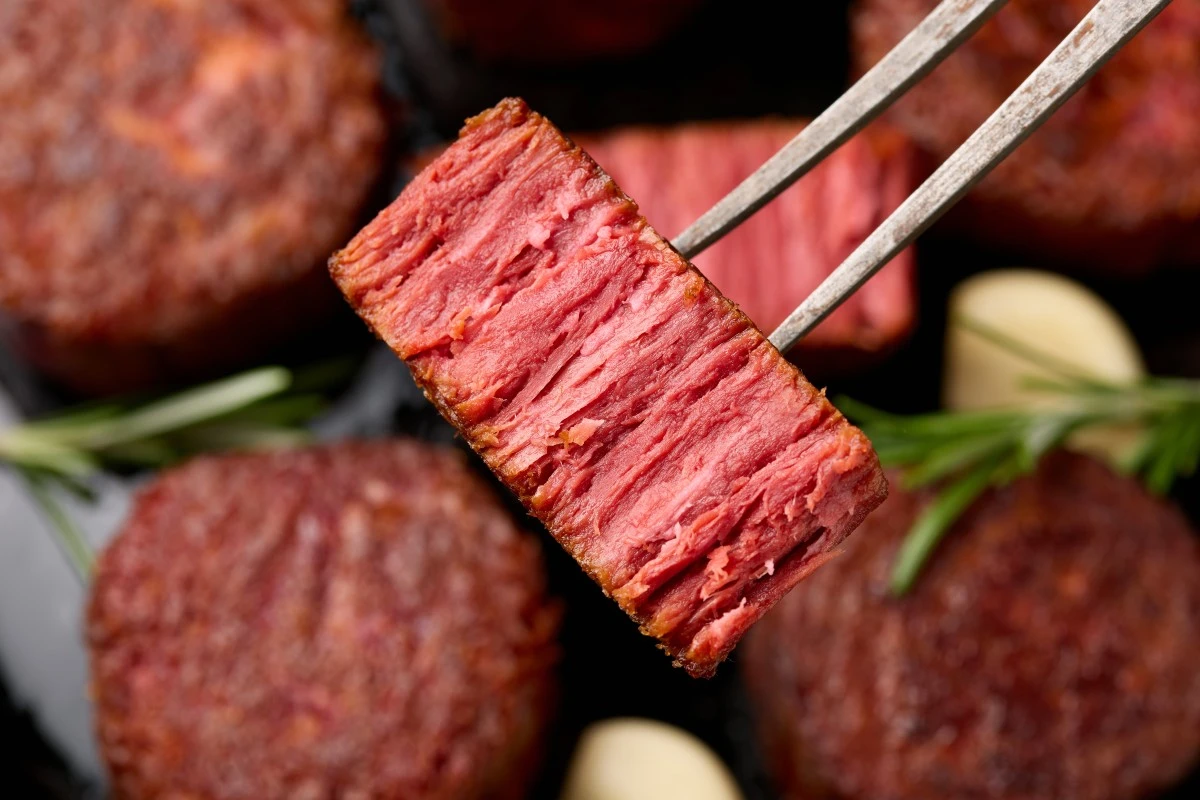 Yeast-derived ingredients enhance perceived juiciness, creating a fuller, more succulent mouthfeel.
Are there particular plant proteins or ready meal formats where dark yeast extracts work especially well, or where achieving an authentic flavor remains particularly difficult?
Rasmussen: Dark yeast extracts work particularly well in plant-based applications that lack the flavor complexity typically created through slow cooking, roasting, or browning processes. Ready meals, meat sausages, and sous-vide products can especially benefit because they lack the slow cooking process and do not generate the full range of Maillard-derived flavor compounds. In these applications, dark yeast extracts help build depth, enhance savory and roasted notes, and provide the slow-cooked character consumers expect from these products. The greatest challenge remains replicating the flavor of grilled steaks, roast beef, or barbecued products, where flavor is created through a complex combination of Maillard reaction products and meat-specific aroma molecules. While dark yeast extracts can significantly narrow that gap, achieving a fully authentic meat profile typically requires a combination of flavor-building technologies rather than a single ingredient solution.
You suggest dark yeast extracts can be used in everything from ready meals and gravies to chocolate and coffee. How different does the formulation approach need to be across these applications?
Rasmussen: While the core functionality of dark yeast extracts remains the same, the formulation approach varies by application. In savory products, such as ready meals, soups, gravies, and plant-based meats, they are used to build authentic meaty flavor, boost umami, and add roasted complexity. In coffee, chocolate, and cocoa applications, the aim is much more subtle: enhancing existing roasted, cocoa, caramel, and coffee notes while adding richness, depth, and flavor persistence without creating a savory taste.
This is why our application team works closely with our customers, testing our ingredients in their specific applications to identify the most suitable solution and usage rate for their desired sensory outcome.
What do you think will be the next breakthrough in closing the flavor gap between plant-based and meat-based foods?
Pashkova: The next breakthrough will most likely come from a combination of better flavor chemistry, advanced processing technologies, and more functional ingredients, rather than a single innovation. Research shows that recreating meat flavor is highly complex because it depends on the interaction of aroma compounds, Maillard reaction products, fats, texture, and mouthfeel. Simply improving one element is rarely enough. In the future, we expect a deeper understanding of flavor generation during processing, combined with improved flavor modulation products, precision flavor design, and next-generation protein technologies, to significantly narrow the gap.
Ultimately, the biggest opportunity lies in taking a more holistic approach. Consumers do not experience flavor, aroma, texture, juiciness and mouthfeel separately; they experience them together. The companies that can successfully combine these elements into a convincing eating experience will be the ones that finally close the gap between plant-based and meat-based foods.



Upcoming webinars

2027 Food Safety Risks for Quality & Compliance Leaders
FoodChain ID

Formulating for function: Developing benefit-led beverages with natural colours, botanicals, and flavours
Givaudan Sense Colour

Let's reveal the grain potential: Innovate
Meurens Natural