


ISM & ProSweets 2026 live: Roquette explores texture science behind plant-based and sugar-free jellies


Key takeaways
- Roquette showcases its jelly texture mapping approach at ISM & ProSweets 2026 to help speed up formulation and finetune taste and texture in gummies and jellies.
- The company highlights ingredient strategies for plant-based and sugar-free confectionery, including starch-based texturizers and fiber-based sugar reduction.
- Rising demand for vegan, sugar-free, and playful formats is shaping jelly confectionery innovation, with texture science and processing control key to meeting consumer expectations.
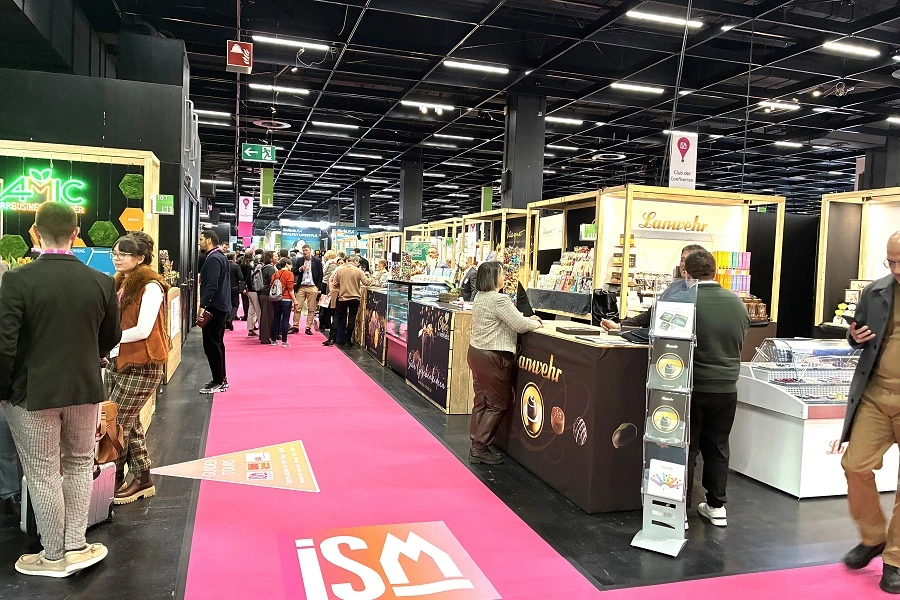
Jelly confectionery formulations require a careful balance of taste, texture, and mouthfeel. At the ongoing ISM & ProSweets 2026 trade show in Cologne, Germany (Feb 1-4), ROQUETTE discusses the science behind soft confectionery texture, with a spotlight on plant-based, sugar-free jellies, using its sensory analysis tool.
Neus Arenas, customer market leader for Confectionery and Bakery & Snacks Europe at Roquette, gave a presentation on the texture in gummies and jellies and its “jelly mapping tool” on February 1, which helps boost NPD in jelly confectionery.
During the session, Arenas shared preliminary findings from sensory analysis of a wide variety of jelly samples, including global market leaders and Roquette recipes. It highlighted key texture parameters and how they shape consumer experiences in confectionery products. The collection spans Europe, Asia, and the Americas, and offers insights into regional trends and formulation strategies.
Gummies and jellies are sub-categories of the global sugar confectionery market, which is expected to grow at 3% and 2% in value and volume by 2027, according to Innova Market Insights data. This sweet treats segment is the largest, contributing steadily to confectionery launches over the past five years, notes the market researcher.
On the show floor, Food Ingredients First speaks with Arenas about the role of ingredients, confectionery science, and processing in jelly formulation amid rising demand for vegan, sugar-free, and playful confectionery formats.
Can you tell us more about Roquette’s session on soft confectionery texture and how your jelly mapping tool supports product development?
Arenas: Our session focused on texture in gummies and jellies. We explored global purchasing drivers, the science behind confectionery production, and finally showcased a teaser of the texture-mapping we’ve developed to accelerate product creation. This texture mapping helps accelerate initial formulation stages and expedite fine-tuning, selecting suitable ingredients to achieve the targeted texture. This supports the development of playful and innovative confectionery formats that consumers seek.
How does Roquette balance taste, texture, and mouthfeel in jelly confectionery formulations?
Arenas: By honing taste, mapping textures, and understanding ingredient functionality, we can adjust formulations to optimize sensory profiles while meeting consumer expectations. When it comes to taste, ingredients like our glucose syrups remain very popular, as do alternatives such as Nutriose soluble fiber, which are suitable for partial sugar substitution.
 Roquette highlighted starch-based texturizers and fiber-led sugar reduction for plant-based, sugar-free confectionery at ISM & ProSweets 2026.Nutriose replaces the bulk of sugar while still delivering a good taste and even providing nutritional benefits, such as increased fiber content. There are options for complete sugar removal, too: our Lycasin maltitol syrup works perfectly for that. All the sweetness in your gummy; none of the sugar. To help customers envisage what’s possible, we have concepts available to taste. It’s important to remember that sugar strongly influences texture as well, so Roquette can help enhance the overall product.
For texture and mouthfeel, we offer Cleargum — a large collection of thin-boiling starches with a variety of botanical origins, fluidification, and stabilization levels. This breadth of offering allows us to find the best starch, or combination of starches, that delivers the perfect final result. That’s made possible by a combination of deep technical knowledge and our experienced sensory experts. Plus, of course, our new texture mapping, which we believe will be a key tool in developing the confectionery successes of tomorrow.
What role do gelatin and starch-based ingredients play in shaping the texture and mouthfeel of jellies and gummies?
Arenas: Both are used as texturizers in soft and semi-soft confectionery, but as they are sourced from different raw materials (animal vs plant) and their composition is fundamentally different (protein vs starch), they will behave differently. Jellies made with gelatin normally offer a firm, chewy, elastic texture and are transparent in texture. In contrast, starch-based jellies have a shorter, slightly stickier texture and are usually less transparent. The choice of texturizer influences parameters such as transparency, firmness, and mouthfeel, enabling creativity and customization to consumer preferences.
With the rise of plant-based options, how do botanical starches impact the texture and gel strength of plant-based jellies?
Arenas: The crops from which starches are produced vary widely, and so do the compositions of the resulting ingredients. Essentially, starch is composed of amylose and amylopectin. Each raw material has a different ratio of these carbohydrates and therefore delivers different results. For example, pea starch contains more amylose than potato starch does. That difference in composition impacts viscosity, and therefore texture and gel strength.
 Claims of vegan or plant-based content are increasingly perceived as healthier by consumers.How do production processes like cooking and depositing affect jelly texture, and which parameters are key to control?
Arenas: Cooking is essential for gel creation, and temperature must be carefully controlled. After concentrating the mix, hot viscosity is crucial to depositing without the risk of tailing and so achieving a regular gummy shape. Process requirements vary, of course, depending on whether gelatin, starch, or pectin is used.
What’s next for the jelly confectionery market, especially with growing demand for plant-based and sugar-free options?
Arenas: Interest in plant-based sugar confectionery is booming, spearheaded by Europe. Claims of vegan or plant-based content are perceived by a growing number of consumers as more natural options. The use of plant-based starch, rather than animal-derived gelatin, is central to addressing their preferences. Additionally, playful formats and extreme flavor combinations are increasingly used. We also see the increasing use of inclusions in order to bring texture contrast. As consumers show increased concerns over their health, we can expect the seek of a wider offer of sugar-reduced or sugar-free options. Continuing with the interest in health, it could be that we see more and more the use of actives in other to address variety of needs, as enrichment, out of the supplement category.
On the other hand, looking at the supplement market, we’ve seen a rise in the use of soft confectionery as an appealing format. New supplement launches in Europe in gummy format represented around 9% of the total launches, showcasing the third fastest growth among all the formats, with a 17% CAGR (2023-2025, Innova database).
With additional reporting by Joshua Poole at ISM & ProSweets 2026 in Cologne, Germany