



Greece increases biosecurity measures to combat sheep and goat pox amid animal culling

Key takeaways
- Over 400,000 sheep and goats have been culled, triggering strict movement restrictions and expanded biosecurity measures across multiple regions severely affected by the outbreak.
- Meat, dairy, and feta production are under pressure, with shrinking milk supplies driving higher prices.
- The Greek government deploys 20 new control measures, offers compensation and feed support, and warns that a full livestock-movement lockdown may be imposed if the outbreak worsens.
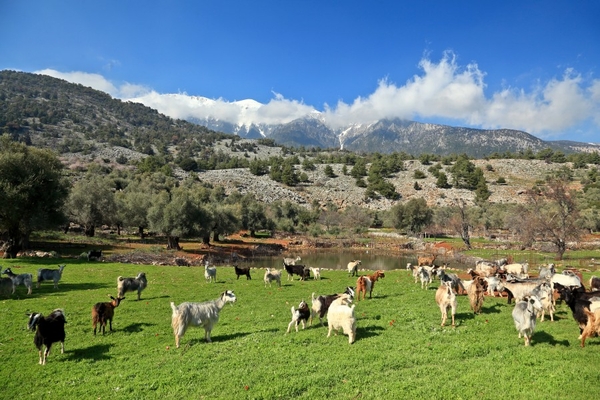
Greece is tackling an outbreak of a highly contagious capripoxvirus that infects both sheep and goats. More than 400,000 animals have been culled so far, and the number of animals that have to be killed has increased recently as the country’s livestock sector tries to get the outbreak under control.
The disease does not affect humans but is highly contagious among animals and can cause high fatality rates in a flock.
Greek authorities have implemented various restrictions on the movement, slaughter, and transportation of sheep and goats, targeting affected regions, including the major livestock region of Thessaly. Other areas, including Larissa, Xanthi, Serres, Evros, Rodopi, Achaia, and Magnesia, have also been severely affected.

They have also bolstered biosecurity in certain areas by setting up advanced inspections from vets, disinfection points, controlling vehicle access to farms, and sanitizing transport for animals, feed, and milk.
What are the consequences?
The outbreak is causing difficulties for the country’s meat and dairy sectors, with shortages being reported. In turn, the lack of availability is driving up prices in these markets.
Small to medium-sized farmers are understood to be severely impacted as they face substantial losses while trying to control the spread of the virus.
The Greek government has warned that if the outbreak persists, it will consider implementing a complete lockdown on the movement of sheep and goats.
The Ministry of Rural Development and Food announced 20 new measures for sheep/goat pox control last week. The government has said that compensation for culled animals and feed support is being disbursed.
Limited milk availability could impact feta
Greece is known for its production of iconic feta cheese, which dairy farmers warn could also be adversely impacted as milk supplies decline.
Feta cheese must contain at least 70% sheep’s milk.
The Greek Milk and Dairy Products Industries have called on the government for emergency financial support to help dairy and cheese producers deal with the milk-shortage crisis.