

Europe’s untapped protein opportunity could rival wine sector by 2040

Key takeaways
- Alternative proteins could add €111 billion (US$131 billion) annually to the EU economy by 2040, if backed by strategic policy and investment.
- Public investment could unlock large private capital, overcome technical bottlenecks, and enable large-scale production.
- Scaling alternative proteins would boost food security and farm incomes, reduce reliance on imports, and free up land for sustainable agriculture.
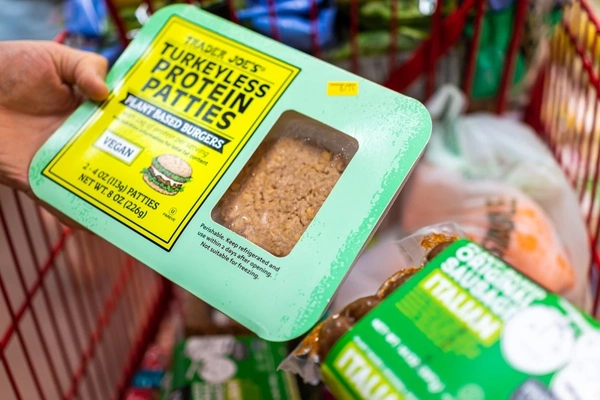
New analysis into the wider economic benefits of alternative proteins across the EU finds they have the potential to bolster the bloc’s economy by €111 billion (US$131 billion) within 15 years. But the potential will only be reached by 2040 if alternative proteins are treated as a strategic priority, which requires much more investment, if technical bottlenecks are to be overcome.
Systemiq, supported by non-profit think tank the Good Food Institute Europe, carried out the research into the economic potential of plant-based foods, cultivated meat, and fermentation-made ingredients. Systemiq helps governments and businesses redesign major parts of the economy to reduce emissions and protect the environment.

Key research highlights
Some of the main findings of the research include that, with modest levels of investment and policy support, alternative proteins could generate €111 billion (US$131 billion) in additional annual gross value, comparable to the GDP contribution of Europe’s wine sector.
The domestic market for these foods would be worth €79 billion (US$93 billion), while the export market would reach €60 billion (US$70 billion), says Systemiq.
But these potential figures depend on the robustness of EU and national governments making alternative proteins a central focus for food policy, encouraging investment and growth in the space.
The EU would need to invest in the research and infrastructure necessary to make alternative proteins more affordable for food innovators and consumers. The investment required would be in the region of €690 million (US$821million) in research and €720 million (US$856 million) in scale-up annually.
Rupert Simons, partner at Systemiq, sits down with Food Ingredients First to discuss what this new research reveals about the economic potential of alternative proteins in the EU that hasn’t been fully recognized until now.
How does this research reshape our understanding of the economic potential of alternative proteins in the EU?
Simons: It demonstrates the economic potential of alternative proteins for Europe under two ambitious yet plausible scenarios where certain technical, regulatory, and political milestones are met. These scenarios are not guaranteed outcomes, as the alternative protein sector’s ability to reach these milestones will be greatly influenced by whether it has the necessary levels of public and private investment to overcome technical challenges, bring costs down, and scale up efficiently.
The report suggests alternative proteins could add €111 billion a year to the EU economy by 2040 — what needs to happen for that potential to be realized?
Simons: To realize this potential and secure a leadership position, Europe needs to streamline regulation to provide a clear, efficient pathway for approvals and upgrade and expand industrial infrastructure to support large-scale production. The EU and national governments must also deploy strategic public funding — around €700 million (US$834 million) annually for R&D and €700 million (US$834 million) to derisk and scale production — to unlock private investment and build a competitive sector.
While this seems like a significant amount, it represents a fraction of the amount that the EU and member states have invested in new industries, such as the €10.6 billion (US$12.6 billion) in public funding for green hydrogen in 2022.
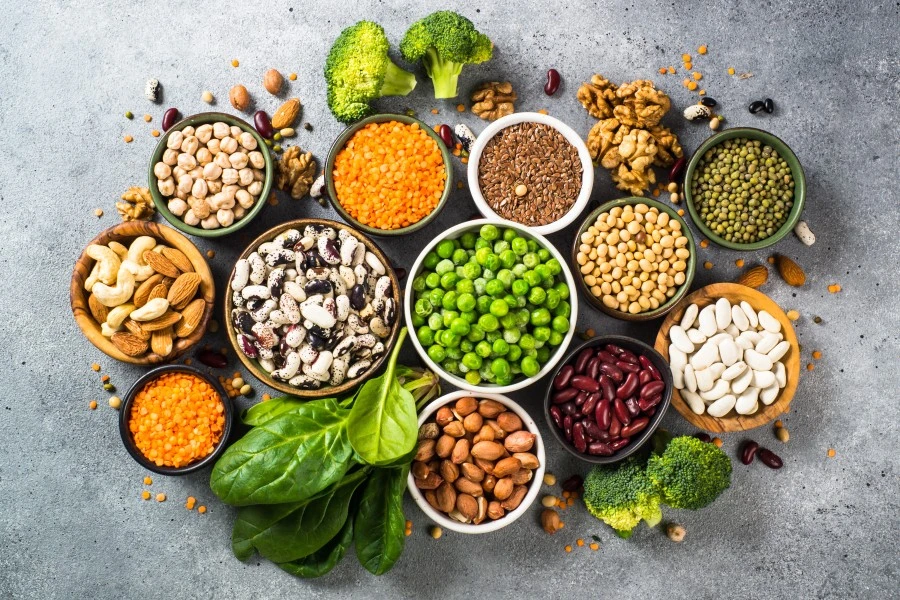 A growing market for plant-based foods could increase demand for legumes and pulses by 130%.
How could scaling alternative proteins help strengthen Europe’s food security and long-term economic resilience?
Simons: Trade wars, military conflicts, and climate change are showing the pressing need to strengthen the resilience of agri-food supply chains and increase Europe’s food sovereignty. Global demand for meat is projected to grow by at least 52% by 2050, and in Europe, we already feed 45% of all the crops we produce to animals and use half of our farmland for animal agriculture. In an increasingly uncertain world, alternative proteins can help build a more diversified system that supports Europe’s food sovereignty.
Why is it important for the EU to treat alternative proteins as a strategic priority, rather than a niche or emerging sector?
Simons: Now is the time to reassess the significance of these foods. Plant-based and cultivated meat could help satisfy demand for meat with up to 90% less land, and fermentation can make nutritious food from crops that would otherwise go to waste. Even a modest diversification of protein production could enable 21% of European domestic farmland to transition to agroecological farming, or be used to boost domestic food production or restore natural habitats.
What role do research investment and food innovation play in making alternative proteins affordable, scalable, and appealing to consumers?
Simons: Making targeted R&D investments is essential to overcome the technical bottlenecks that are currently standing in the way of commercialization, bringing these foods closer to taste and price parity with their animal counterparts and making them more appealing to consumers.
How could the expansion of alternative proteins strengthen EU agriculture and create new income streams for farmers?
Simons: This report shows that, with the right policy support and investment, alternative proteins could strengthen the resilience of European agriculture, offering future-proof market opportunities for arable farmers and reducing the EU’s reliance on imported protein crops. We expect there to be growth opportunities for arable farmers as the industry develops. For example, a growing market for plant-based foods could increase demand for legumes and pulses by 130%, and fermentation and cultivated meat production could boost demand for crops like sugar beet as feedstocks.
What changes to the regulatory framework would most help European businesses bring innovative alternative protein products to market?
Simons: Although the EU’s food safety standards are world-leading, the existing process for approving new foods is challenging to navigate and presents a barrier to alternative protein businesses. Regulators need to provide greater clarity for European SMEs seeking to introduce innovative products to the market.