


European rice production in “crisis” amid calls to review trade policies

Key takeaways
- The EU rice industry faces economic collapse due to rising costs, strict regulations, and surging low-tariff imports.
- Trade bodies urge revision of EU trade agreements and safeguard mechanisms to protect domestic producers.
- Global market volatility, including disruptions in Indian rice exports, adds pressure on Europe’s rice supply chain.
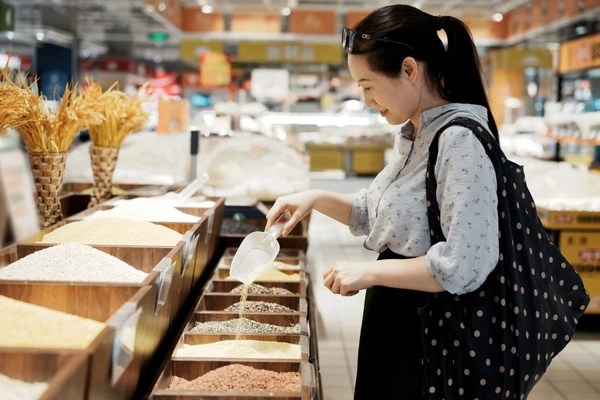
EU trade organizations warn “rice has no future” in Europe unless existing trade agreements are revised. The developing crisis is driven by rising production costs, strict regulatory requirements, and a significant increase in imports entering the EU market.
Europe’s rice sector is warning of structural collapse amid escalating pressures that are pushing the industry to its limits. Furthermore, industry bodies flag how EU rice production is becoming economically unviable and could disappear without policy intervention.
Rice market disruption
Amid a backdrop of rising production costs, strict EU environmental standards, a surge in low-tariff imports, which make fair competition difficult, and falling paddy rice prices, EU rice producers and exporters are facing mounting burdens that are crushing businesses.
EU agri-food group, Copa-Cogeca, highlights how a growing imbalance is affecting the sector.

Rice imports into the EU reached around 1.7 million tons recently, with a significant share of the year’s exports entering the EU market at reduced or zero tariffs under existing trade deals.
Copa-Cogeca, backed by other trade groups, the Federation of European Rice Millers and National Rice Board (Ente Nazionale Risi), wants to see more robust measures to protect EU rice producers. They claim that EU tariffs on imported rice should be adjusted to better protect European producers and processors from cheaper imports.
In response to the current pressures, some EU rice producers are shifting production to Japonica varieties, a segment traditionally considered more stable. However, if this trend continues, it could lead to oversupply in that market segment as well.
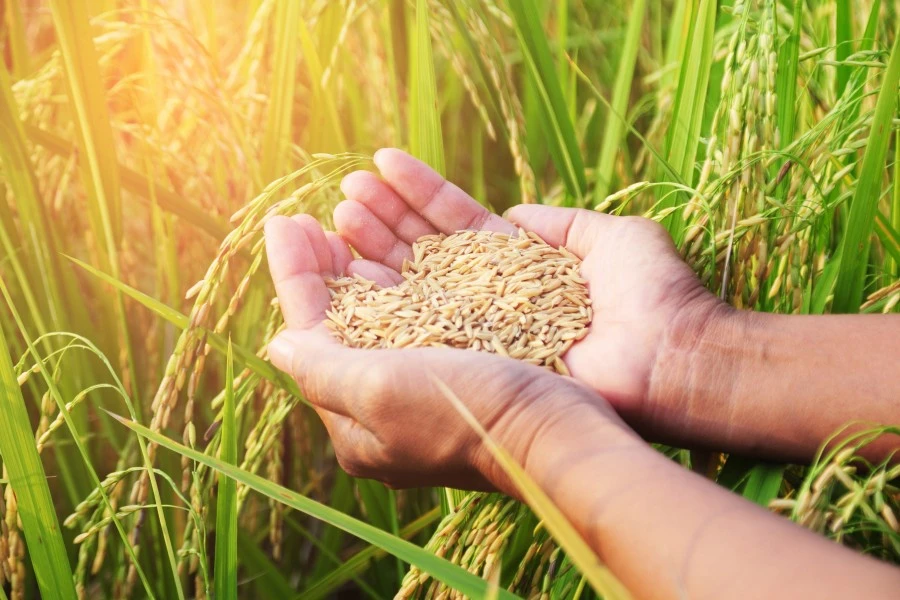 Trade bodies say the European rice industry is facing a series of pressures that are placing escalating burdens on farmers.
Calls to level the playing field
At the same time, EU rice producers face higher input costs and “must comply with some of the most demanding environmental and production standards in the world,” claims Copa-Cogeca.
This week, the trade group is urging the EU to re-examine the trade rules currently used to protect EU agriculture, claiming the tools to do so exist, but authorities don’t react quickly enough when imports spike.
“Rice production in Europe plays an important role not only for food supply, but also for rural economies, employment, and environmental management in specific regions. Maintaining a viable rice sector is therefore essential for both economic and territorial balance in several EU member states,” reads a statement from the organization.
The trade bodies are calling for a revision of the Common Custom Tariff duties to bring them into line with actual market conditions. “Ensuring that tariff structures remain aligned with the realities of the market is essential, while also considering measures that safeguard the competitiveness of the European processing industry and protect the added value generated within the EU food chain.”
Creating fairer competition
The rice sector is calling for a review of existing policy tools to ensure that they remain effective in safeguarding market stability.
“In particular, stakeholders point to the need to reassess the functioning of the automatic safeguard mechanism linked to the GSP/EBA regime, with activation thresholds that better reflect market realities and allow timely action when import surges disrupt the market,” says the statement.
The industry groups also stress the importance of reinforcing the principle of reciprocity in international trade. They want to see moves to strengthen border controls and the enforcement of environmental protection and food safety standards for imports coming outside of the EU.
Global rice market turbulence
Europe’s rice sector’s struggles are not happening in isolation. Global rice markets are also experiencing turbulence, driven by the ongoing US-Israeli conflict with Iran.
India accounts for approximately 40% of global rice exports, making it the largest exporter. But rice exports from India are slowing down because exporters are having difficulty securing shipments and facing rising insurance and freight costs amid the war, according to Reuters.
Meanwhile, the All India Rice Exporters Association (AIREA) is concerned over the potential disruption of rice exports to Iran, one of India’s largest rice import markets.
AIREA’s general secretary has said that India’s basmati rice to Iran has stopped since the conflict began, which continues to create massive uncertainty for the Indian rice sector.