





Black sesame: A dark horse in reshaping bakery, desserts and beverages

Key takeaways
- Black sesame is gaining traction across bakery, desserts, and beverages, driven by its roasted flavor, visual appeal, and growing consumer curiosity.
- Its versatility supports premium product innovation, from filled pastries and ice creams to matcha lattes and confectionery.
- Long-term success depends on balanced flavor, consistent product quality, and repeat consumer demand beyond visual novelty.
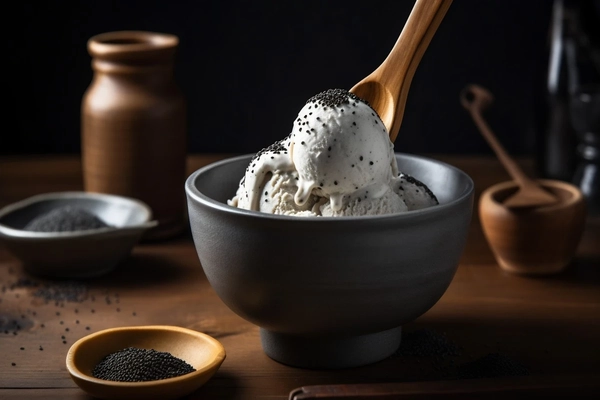
With its roasted, nutty flavor, dramatic color, and versatility across sweet applications, black sesame is gaining visibility in foodservice and F&B ingredient innovation. The challenge for manufacturers is turning its visual appeal into lasting consumer demand.
Black sesame is edging into the spotlight as food and beverage developers look for flavors that feel distinctive without being inaccessible. Once encountered predominantly in traditional Asian cuisines and specialist dessert shops in many Western markets, the seed is increasingly appearing in pastries, ice creams, café drinks, and contemporary confectionery.
Its appeal rests on a combination of sensory characteristics, which include a deep, toasted nuttiness, subtle bitterness, a creamy richness when milled into paste, and an almost charcoal-black color that creates immediate visual contrast.

Together, these qualities give manufacturers an ingredient capable of changing a familiar product’s flavor, texture, and appearance.
Recent consumer-interest data suggests that black sesame’s growing visibility is more than a passing menu curiosity. According to Yelp’s 2026 food and drink forecast, searches for black sesame matcha increased by 147% between 2023 and 2025, while searches for black sesame coffee and lattes rose by 23%.
From traditional ingredient to contemporary flavor
Consumer curiosity is building in black sesame as a quality flavor that goes beyond its initial visual impression.
Black sesame has long featured in East Asian food cultures, including Chinese, Japanese, and Korean cooking. It is used in sweet pastes, confections, rice-based desserts, and savory dishes, as well as for garnishing and adding texture.
Its growing presence in Western markets reflects a wider interest in globally inspired flavors and ingredients with a recognizable culinary heritage.
Consumers can explore something unfamiliar while remaining within established formats, whether that means a croissant, latte, chocolate confection, or scoop of ice cream.
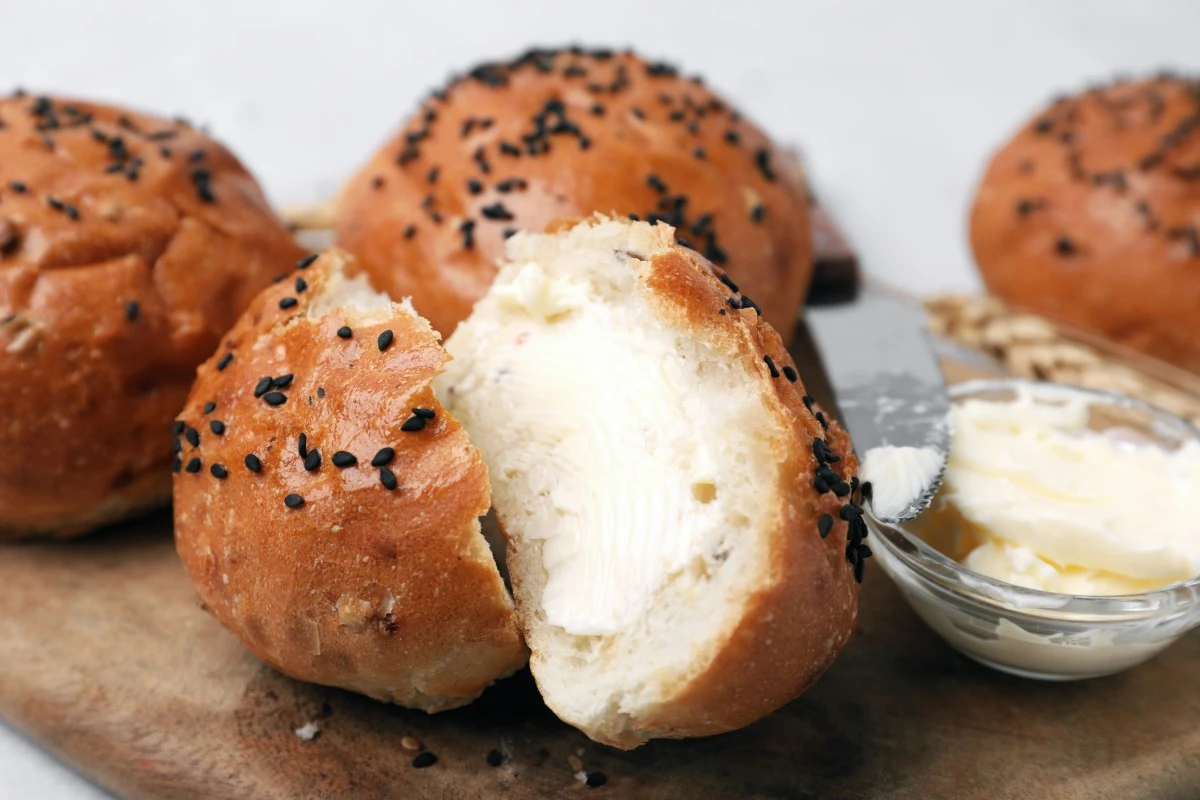 Black sesame is gaining traction in bakery, adding roasted flavor and visual appeal to bread, pastries, cookies and cakes.
Focus on flavor
Black sesame also offers a different proposition from sweeter, fruit-led, or confectionery-inspired flavor trends. Its flavor is savory-leaning and complex, combining roasted notes with earthy depth and a slight bitterness. This profile can offset sweetness, creating a more balanced finish in products that might otherwise taste overly rich.
For developers, that makes black sesame particularly relevant to premiumization. Rather than introducing an entirely new product category, manufacturers can use the ingredient to give familiar products a more sophisticated flavor profile and a distinctive identity.
The ingredient’s visual impact is equally important. Black sesame paste can create grey, charcoal, or near-black fillings, creams, and bases, depending on concentration and formulation. In an increasingly competitive bakery and dessert market, that appearance can help products stand out on display and on social media channels.
Bakery and frozen desserts offer natural opportunities
Bakery is a logical application for black sesame because its toasted flavor complements buttery pastry, chocolate, vanilla, and other roasted ingredients. Potential applications include filled croissants, laminated pastries, cookies, cakes, sweet buns, and biscuits.
The ingredient can be incorporated as a paste in fillings, and creams, mixed into doughs and batters, or used as whole or crushed seeds for surface decoration.
Each format produces a different result: a paste delivers more concentrated flavor and a smooth texture, while whole seeds provide visual definition and a light crunch.
The contrast between black sesame and established bakery flavors also creates opportunities for limited-edition products. Pairings with chocolate, caramel, citrus, or sweet bean pastes can introduce complexity without making the ingredient’s flavor inaccessible.
Ice cream and other frozen desserts provide another promising route. Black sesame paste can contribute both flavor and body, creating a creamy, roasted profile that works well in dairy-based ice cream, gelato, and soft serve. Its color also offers an alternative to conventional chocolate and vanilla presentations.
In foodservice, black sesame can be used as a standalone flavor or combined with other ingredients to create layered desserts. Matcha, for example, offers a contrasting green color and grassy bitterness, while vanilla and white chocolate can soften the seed’s roasted notes.
The opportunity extends beyond artisanal outlets. Ingredient suppliers and manufacturers can explore black sesame as a flavor for packaged biscuits, frozen desserts, confectionery fillings, and bakery inclusions, although commercial success will depend on price, processing requirements, and repeat consumer demand.
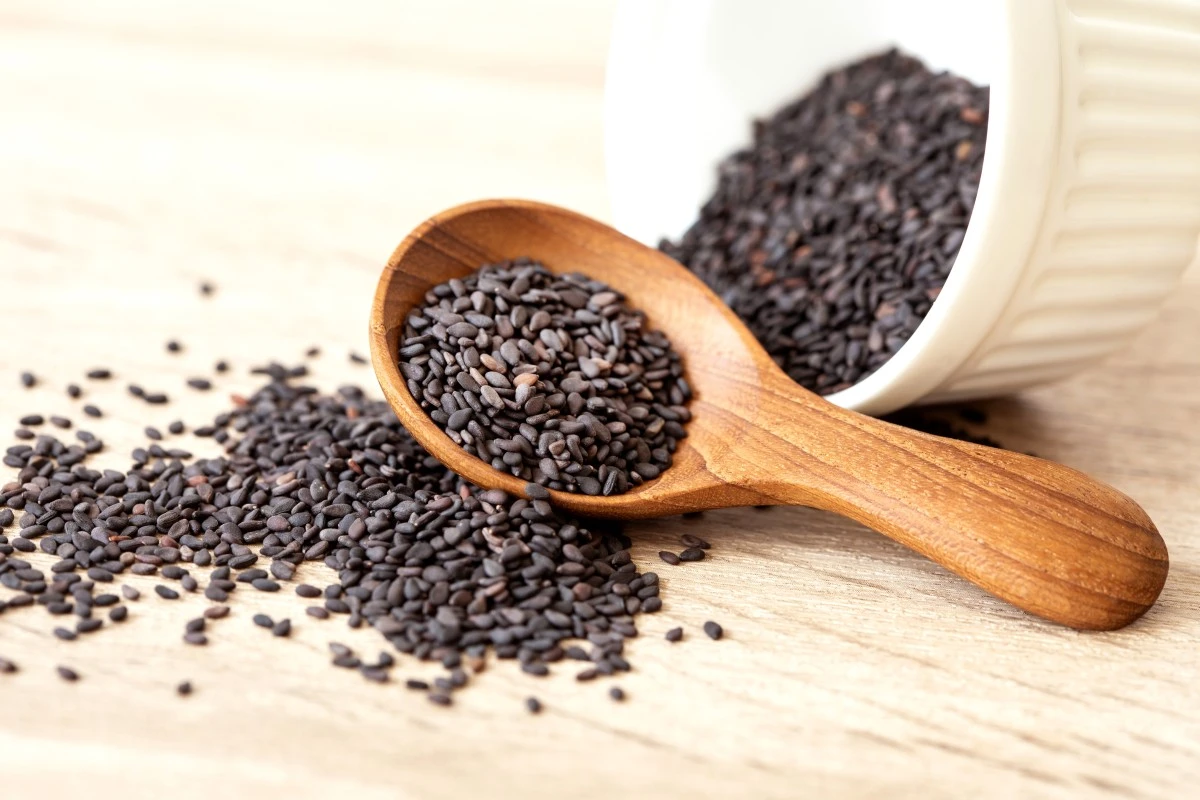 Ingredient supplier Nactarome has named black sesame its October 2026 Flavor of the Month.
Beverages expand the ingredient’s reach
Beverages are emerging as an important route for black sesame because they allow consumers to try the ingredient in familiar café formats. Black sesame lattes, matcha combinations, and milk-based drinks bring together its toasted flavor and striking colour in products that can be adapted for hot, iced, and blended applications.
Ingredient supplier Nactarome has highlighted black sesame as its October 2026 Flavor of the Month, showcasing its versatility across beverage, bakery, dairy, and confectionery applications.
Nactarome highlighted black sesame’s potential across lattes, teas, milk-based drinks, and premium beverage concepts, alongside bakery, dairy, confectionery, and desserts. The company also identified pairings including matcha, hojicha, yuzu, caramel, and coconut. Its commentary reflects growing supplier interest, rather than evidence of market-wide adoption.
For beverage developers, however, incorporating the ingredient presents technical considerations. Whole seeds are not always suitable for smooth drinks, while pastes and finely milled ingredients can introduce suspended particles, sedimentation, and changes in viscosity. Formulation choices will affect mouthfeel, color uniformity, and flavor intensity.
Black sesame also contains oil, which contributes to its richness but can influence dispersion and stability. Manufacturers developing ready-to-drink beverages will need to assess processing conditions, ingredient compatibility, and shelf life performance rather than assume that a successful café recipe will translate directly into a packaged product.
The most promising applications may therefore be those where the ingredient’s texture and appearance are part of the intended experience, or where processing systems can deliver consistent dispersion.
Building beyond the novelty phase
For brands, the priority is to make the ingredient integral to the eating or drinking experience rather than rely on its unusual appearance alone.
The market remains at an exploratory stage in many Western retail categories, and search growth should not be mistaken for established mass-market demand. Nevertheless, black sesame offers a compelling combination of heritage, sensory complexity, and visual differentiation.
Its long-term prospects will depend on whether manufacturers can move it from a novelty associated with striking desserts into a flavor consumers actively seek out again. The color may win the first look; a balanced roasted flavor and consistent product quality will determine whether black sesame earns a place on the menu for longer.