



AB Enzymes targets bakery shelf life with new sugar-tolerant enzyme

Key takeaways
- AB Enzymes has launched Veron MaxiFresh, a maltogenic amylase for yeast-raised baked goods.
- The company says improved sucrose tolerance helps maintain softness, moistness, and crumb resilience in products such as brioche, sweet rolls, and panettone.
- AB Enzymes reports better softness and resilience during storage in internal trials against a conventional maltogenic amylase.
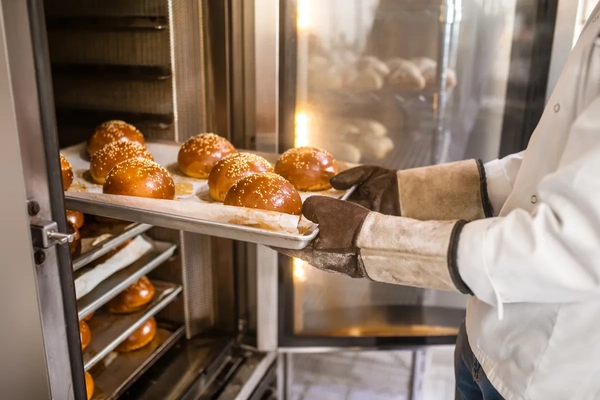
AB Enzymes has launched Veron MaxiFresh, a maltogenic amylase designed to keep yeast-raised baked goods soft and moist during storage while preserving crumb structure.
The company says the enzyme’s improved sucrose tolerance makes it suitable for sweet breads and rolls, where conventional maltogenic amylases can become less effective as sucrose levels rise.
Oscar Diez, bake product manager director at AB Enzymes, tells Food Ingredients First that longer shelf life targets make it harder for commercial bakers to preserve the texture consumers associate with freshly baked products.
“One of the challenges we see in the market is that shelf life expectations continue to increase. In some markets and product categories, manufacturers are moving from shelf lives measured in days or weeks toward several months. The longer that window becomes, the harder it is to preserve the sensory qualities consumers associate with a freshly baked product.”
“For bakery ingredients, extending shelf life is therefore about more than simply keeping bread soft for longer. Consumers experience freshness through several attributes at the same time: softness, moistness, resilience, and the overall eating experience. A product can remain technically soft but still lose moistness, resilience, and overall eating quality over time, while pushing softness or moistness too far can result in a crumb that becomes weak, sticky, or gummy.”
“Veron MaxiFresh was developed around this broader definition of freshness. As our next generation maltogenic amylase solution, it helps slow crumb firming while supporting lasting moistness and maintaining crumb resilience and structure.”
Diez says the technology equips its customers in the bakery ingredients industry with greater flexibility to maintain an appealing sensory profile while meeting increasingly demanding shelf life requirements, rather than focusing on softness alone.
Maintaining crumb softness during storage was also discussed in our recent coverage on bakery reformulation.
Balancing structure and shelf life
MaxiFresh can be used in sandwich bread, wholemeal bread, and hamburger buns. Diez sees particular scope for the enzyme in richer products with long shelf life targets, including brioche, Danish-style products, and panettone.
“Sugar is important here because it does more than make the product sweet. In a rich yeast-raised formulation, it changes the environment in which the enzyme has to work, and conventional unmodified maltogenic amylases can progressively lose effectiveness as sucrose levels increase,” he explains.
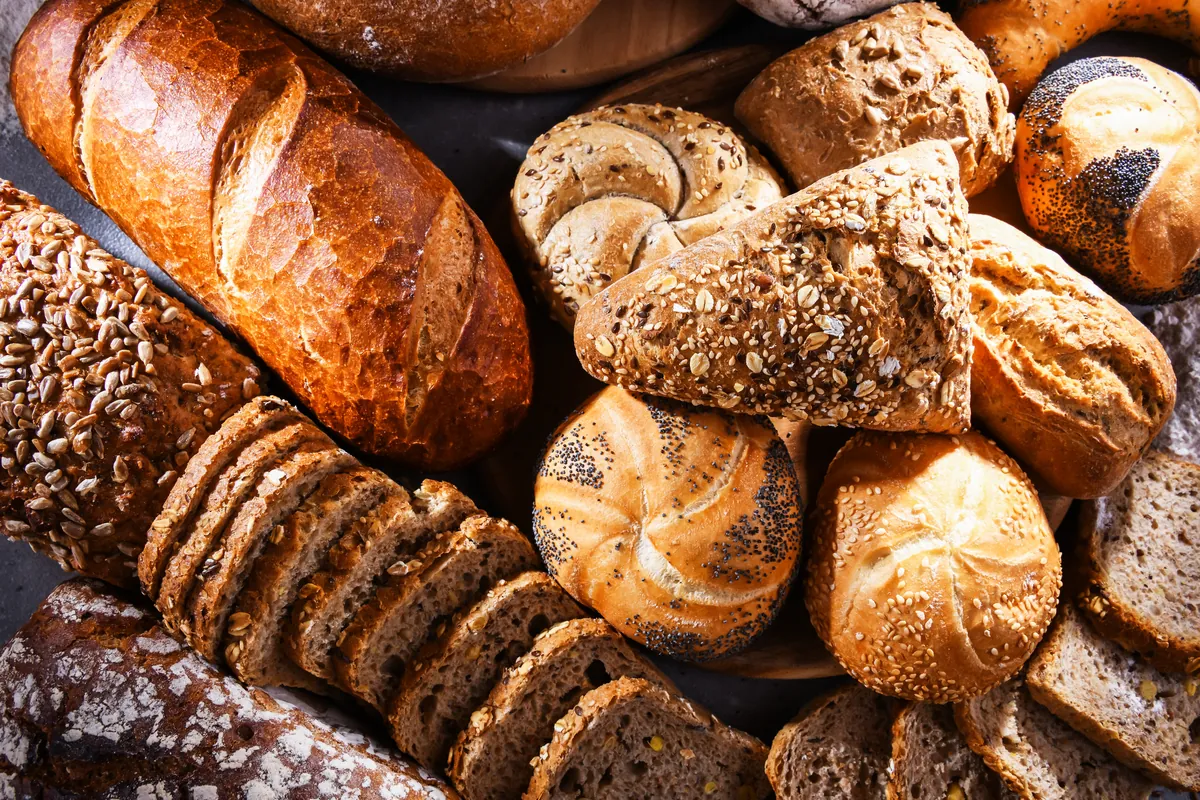 MaxiFresh is versatile and can be used across various applications from lean breads to very rich ones.“This means that it’s precisely the products presenting the most challenges in maintaining a soft, moist eating quality where traditional freshness enzymes can potentially reach their limits. MaxiFresh was developed with significantly improved sucrose tolerance, allowing it to retain useful freshness performance across a much broader formulation range.”
He says that for bakery ingredient suppliers, that makes the technology especially interesting, because there are some markets where baked products combine very high sugar levels with very high shelf life expectations.
“MaxiFresh gives formulators another way of maintaining the balance between softness, moistness, and crumb resilience under those demanding conditions. It can, therefore, help to develop products which retain a fresher eating quality for longer, without having to accept the usual trade-off of increasing softness or moistness at the expense of structure or resilience.”
“At the same time, sugar tolerance should not be interpreted as meaning MaxiFresh is only meant for sweet products. One of its key strengths is versatility: it can be used across a range of applications from very lean breads to very rich ones.”
“The value of the sugar-tolerant technology is that performance becomes less constrained as the formulation becomes richer, giving users a more consistent freshness tool across a wider product portfolio rather than using specific enzymes for a specific narrower application.”
Internal trials and consumer preference
We previously explored how bakers use enzymes to manage crumb structure, volume, and freshness in clean label bakery reformulation.
Diez explains what AB Enzymes set out to change with MaxiFresh. “Maltogenic amylases are well-established freshness tools that we’ve been using for decades, and advanced solutions already exist in the market, including within the AB Enzymes portfolio.”
“So, for us the important distinction is not simply that Veron MaxiFresh is another maltogenic amylase. It is the performance profile we designed around it: combining softness and perceived moistness with good crumb resilience, together with substantially improved tolerance to sucrose compared with conventional maltogenic amylases.”
“In our application trials, MaxiFresh has shown strong performance across both lean and rich high sugar yeast-raised formulations. Internal comparisons have shown improved softness and resilience over storage versus traditional unmodified maltogenic amylase.”
AB Enzymes has also looked at the consumer perception behind the instrumental measurements.
In an internal consumer panel, a significant majority were found to prefer the MaxiFresh-based bread sample over the standard maltogenic amylase benchmark. Freshness, moistness, fluffiness, softness, texture, and mouthfeel were among the attributes participants associated with their preference.