
Pioneering protein innovation: Inside the Nordic approach to next-generation F&B ingredients

Key takeaways
- Valio targets GLP-1 users with high-protein, low-sugar, lactose-free dairy formulations, while Apetit scales its upcycled rapeseed ingredient into plant-based meat alternatives.
- Innova Market Insights crowned “Powerhouse Protein” its number one F&B trend for 2026, with nearly 60% of consumers actively increasing intake.
- Valio and Apetit are anchoring protein innovation in Nordic agricultural supply chains and circular economy principles, positioning raw material expertise as a competitive edge.
Protein quality, bioavailability, and sensory performance are becoming the competitive frontier in F&B product development. Finnish dairy company Valio is creating high-protein, low-sugar application concepts targeting the fast-growing GLP-1 medication market, while compatriot Apetit Kasviöljy Oy is scaling its novel food-approved BlackGrain rapeseed ingredient to close the taste and texture gap in plant-based meat alternatives.
Both companies are rooting their protein strategies in Nordic agricultural systems and circular economy principles.
Innova Market Insights crowned “Powerhouse Protein” its number one food and beverage trend for 2026, with research showing nearly 60% of global consumers are actively incorporating more protein into their diets.

The consumer landscape has changed in ways that reward both dairy and plant-based approaches. Innova’s research shows that over the past five years, plant-based protein launches have outpaced dairy-based ones — yet milk and milk drinks still rank as the top product category with protein claims that consumers say they have purchased. Meanwhile, 40% of global consumers cite “natural or minimally processed” as a key consideration when choosing protein sources.
Dairy protein’s expanding remit
Valio’s approach to dairy protein innovation starts from the premise that high protein content is necessary but insufficient. “True leadership in protein goes beyond increasing content — it means delivering high-quality nutrition with exceptional taste, texture, and digestive comfort,” Emmi Martikainen, head of product development for powders and baby food at Valio, tells Food Ingredients First.
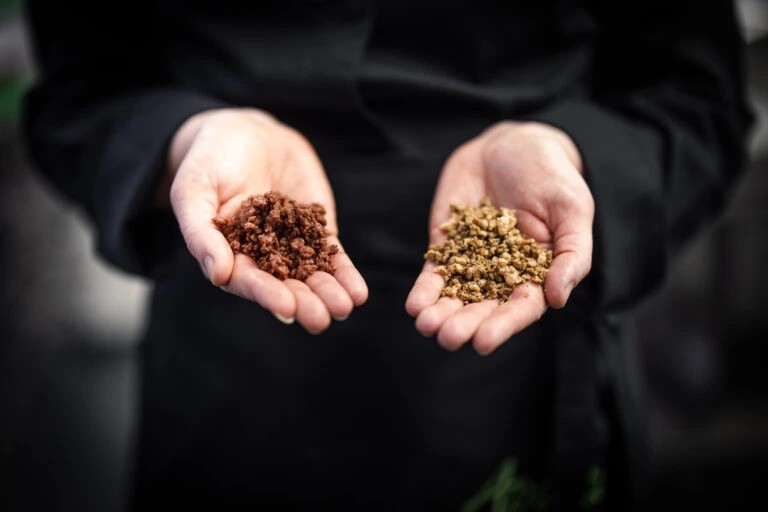 BlackGrain TVP is a high-performing textured vegetable protein that provides great structure, chewiness, umami flavour, and a natural dark colour in meat analogues. The company’s high-protein powder range supports B2B applications with what Martikainen describes as excellent mouthfeel and clean dairy flavor, including solutions tailored to specific life stages, such as products for older adults combining high protein with vitamins, minerals, and phospholipids.
One area where dairy protein is finding increasing commercial traction is the growing GLP-1 medication market. Innova data shows US GLP-1 usage rose from 10% of consumers in 2024 to 18% in 2025, and users are prioritizing nutrient-dense, high-protein formats to preserve muscle mass while managing reduced appetites.
“Valio offers application concepts that are high in protein, low in sugar, and naturally low glycemic. These help support satiety, blood sugar stability, and metabolic wellness,” says Martikainen.
Formulation remains the harder problem. Manufacturers often struggle with off-tastes, grainy textures, and processing challenges when fortifying with protein. Valio’s response includes its Eila MPC and PRO product ranges, designed to optimize both formulation efficiency and sensory performance while remaining lactose-free.
The company’s Fast Track solution allows dairies to launch lactose-free milk with 44% more protein than standard milk. “The result is balanced energy release with no compromise on taste or texture,” says Martikainen.
Plant protein’s pivot to authenticity
Innova’s fifth trend for 2026, “Authentic Plant-based,” reflects a shift in how consumers perceive plant protein. More than half of global consumers now believe plant-based products should stand alone rather than imitate animal products, according to the market researcher.
For Apetit, a Finnish food company rooted in Nordic crop production, this trajectory validates a strategy built around the inherent strengths of plant ingredients rather than mimicry.
“We see our role as both a specialist and an enabler within the evolving protein landscape — or in a wider perspective, an enabler for sustainable eating,” says Jenny Tallberg, business development director at Apetit.
The company’s flagship innovation, BlackGrain from Yellow Fields, is a rapeseed-based ingredient developed from oilseed press cake — a side stream previously directed to animal feed. Granted EU novel food authorization in 2021 after development dating back to 2017, BlackGrain combines protein, dietary fiber, and encapsulated rapeseed oil in a single ingredient.
In meat alternatives, where texture, juiciness, and heat stability remain critical benchmarks, Apetit has achieved measurable results with its BlackGrain TVP. The textured vegetable protein — a blend of 20% BlackGrain rapeseed powder and 80% pea protein isolate — enhances mouthfeel, structure, and taste profile.
“The result is a plant-based mince with enhanced chewiness and bite — even after reheating — addressing one of the common shortcomings of conventional plant protein formulations,” says Tallberg. Innova’s meat trends analysis notes that hybrid meats combining animal and plant ingredients are rising in Western Europe, reflecting a broader consumer openness to blended protein formats.
Sustainability in the value chain
Both companies anchor their protein strategies in sustainability commitments that go beyond standard environmental messaging. Valio’s extensive R&D program, Food 2.0, targets a more sustainable food system for Finland through circular economy approaches, new product development, and side-stream utilization.
“For us, responsible primary production and high-quality protein innovation are inseparable,” says Martikainen. The company has also pledged to achieve carbon-neutral milk by 2035. Finland’s dairy and plant-based sectors are pursuing parallel protein strategies rooted in Nordic agricultural systems.
Apetit’s approach is grounded in what Tallberg describes as decisions “embedded in the company’s DNA.” The company’s production facility was established more than 30 years ago with a commitment to mechanically pressing rapeseed rather than using hexane extraction for oil production. Today, nearly 100% of the rapeseed is valorized across different applications.
“By upgrading this fraction for food applications, we are able to significantly increase the volume of plant-based food ingredients without expanding agricultural land use,” says Tallberg.
Dairy and plant-based
The dairy-versus-plant framing that has dominated industry discourse for years appears to be softening. Innova’s latest protein research found that 55% of consumers think plant-based foods should exist in their own category rather than acting as alternatives, while three in five global consumers are actively increasing protein from multiple sources.
Martikainen echoes this: “We see dairy and plant-based protein as complementary to each other. Ultimately, what matters most is delivering great taste and strong nutritional value.”
Valio is watching emerging technologies too, including cellular agriculture, but takes a pragmatic line. “Scalability and production costs will ultimately determine how these technologies develop commercially. Premium, high-value ingredient applications are likely to lead initial adoption,” says Martikainen.
Tallberg, meanwhile, points to the diversification of Nordic crop development as a strategic priority — one that requires proximity to agricultural supply chains and the kind of in-house agronomy expertise that decades of integration have built. As protein shifts from consumer trend to industry baseline, the Finnish model suggests that deep knowledge of raw materials — whether milk or rapeseed — may matter more than ever.



Upcoming webinars

2027 Food Safety Risks for Quality & Compliance Leaders
FoodChain ID

Formulating for function: Developing benefit-led beverages with natural colours, botanicals, and flavours
Givaudan Sense Colour
Let's reveal the grain potential: Innovate
Meurens Natural