
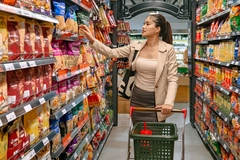


According to Innova Market Insights data, nearly one out of three global consumers is actively limiting salt/sodium in their diet. Responding to this demand, brands are increasingly labeling products with no/reduced sodium claims on packaging. Between October 2023 and September 2024, Baby & Toddler, Sauces & Seasonings and Snacks were the top categories with these claims.



Innova Market Insights has named “Nutrient Density Design” the top F&B trend for 2027. Consumers want more nutritional value from everyday food and drink, with 59% globally reading all or most nutrition information on packaging. Brands are responding by reducing negatives, removing scrutinized ingredients, and boosting positive nutrition.
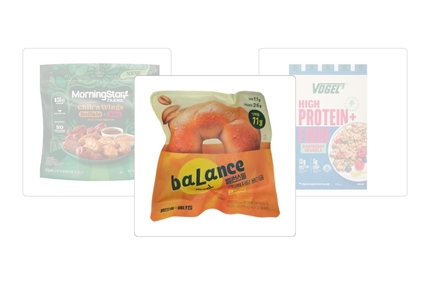
According to Innova Market Insights, more than half of consumers globally say they are consuming more protein than before. Many are also exploring plant-based sources, driven by perceived health benefits and easier digestion. Reflecting this interest, alternative protein product launches recorded a 2% CAGR from July 2021 to June 2026, with innovation continuing across the market.
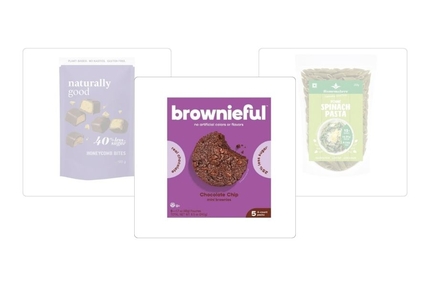
Innova Market Insights data shows that consumers are actively reducing sugar intake as part of a healthier diet. Brands are responding with increased innovation: food and beverage launches carrying reduced-sugar claims grew at a 7% CAGR from July 2021 to June 2026. Soups and Sauces recorded the fastest growth in reduced-sugar launches over the period.
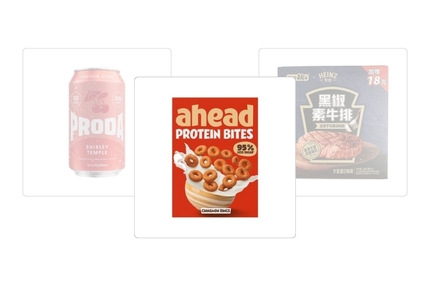
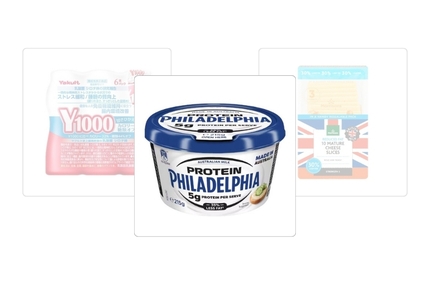
Innova Market Insights data indicates a 6% average annual growth in F&B launches with protein ingredients and high/source of protein claims between April 2021 and March 2026. The top subcategories were Cereal, Dairy, and Meat Substitutes. Soup and hot drinks with protein ingredients were emerging. The top protein ingredients were milk protein, pea protein, and soy protein isolate.
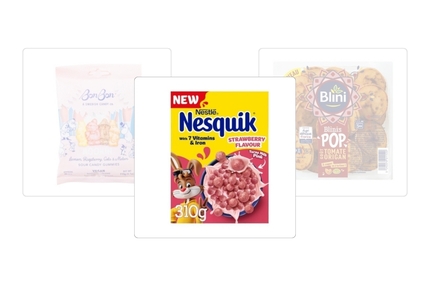
Innova Market Insights data shows that visual appeal plays a significant role in food and beverage choices. Around 23% of consumers look for visually engaging sensory experiences, such as vibrant colors, prompting brands to innovate with natural, eye-catching color solutions.
According to Innova Market Insights, consumers are cautiously warming to AI’s role in food and drink innovation: 17% globally say they feel very comfortable with AI being used in product development, while 26% are comfortable with AI creating new flavor combinations. In response, brands are integrating AI into NPD across areas such as recipe creation, mascot development, and food safety monitoring. At the same time, they are using AI to drive innovation that directly address consumer concerns about the technology itself.