

Unilever sells Graze to Katjes International and Candy Kittens Group

Key takeaways
- Unilever is selling Graze to Katjes International and Candy Kittens Group as it narrows its food portfolio to three core categories.
- The healthier snacking brand transformed its profitability under Unilever ownership and expanded from direct-to-consumer into UK retail.
- One-third of global consumers have increased better-for-you snack consumption, while traditional snack makers like PepsiCo close facilities amid weakening demand.
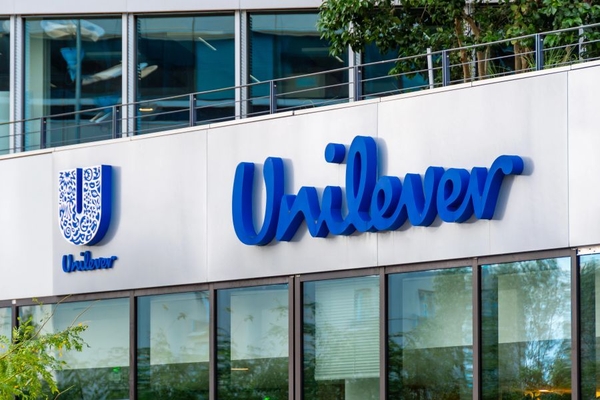
Unilever has agreed to sell its Graze healthier snacking brand to Katjes International and the Candy Kittens Group as the company narrows its food portfolio to focus on three core categories.
The sale reflects Unilever’s strategic decision to concentrate on condiments, cooking aids, and mini meals, as well as Unilever Food Solutions — categories where it has proven capabilities anchored in large global brands. Graze, which operates a standalone manufacturing facility, falls outside these focus areas despite its strong performance.
Unilever acquired Graze in 2019, when the brand operated primarily through direct-to-consumer channels. Under Unilever’s ownership, Graze expanded into UK retail stores, updated its visual identity, and transformed its profitability while continuing to deliver growth in the retail channel.

Georgina Bradford, UKI Foods general manager, says: “Graze has transformed into a retail-focused brand which continues to redefine healthy snacking with innovations that stay a step ahead on nutrition, never compromise on taste, and remain true to its distinctive and much-loved style.”
“The brand is now well positioned for its next phase of growth, which we are confident will be best unlocked under its new ownership with a dedicated focus on its healthier snacking mission.”
Bastian Fassin, managing shareholder of Katjes International, says: Graze is “one of the leading healthy snacking brands in the UK. With its strong brand awareness and strategic positioning, Graze is a perfect fit for our strategy to continue growing with strong consumer brands,” he says.
The transaction is expected to complete in the first half of 2026, subject to usual closing conditions. Financial terms were not disclosed.
Healthier snacking gains ground as traditional players struggle
The acquisition comes as healthier snacking brands benefit from a fundamental shift in consumer preferences that is pressuring traditional snack manufacturers.
Innova Market Insights research shows that approximately one-third of consumers globally have increased their consumption of better-for-you snacks over the past year, while only 15% increased intake of traditional sweet or savory snacks. Around 60% of consumers always look for healthier snack options, with half choosing healthier alternatives instead of indulgent ones.
The trend has forced major manufacturers to adjust capacity. PepsiCo closed multiple Frito-Lay facilities across the US throughout 2025.
Protein claims have become particularly important in the healthier snacking category, with one-third of surveyed North American consumers saying high-protein content matters when purchasing healthy snacks. Snack launches with a high or source of protein claim grew at a 26.2% compound annual rate during the three-year period ending June 2023, according to Innova.
The market is also seeing demand for reduced-sugar and low-sodium options, as well as plant-based ingredients. Innova tracked a 23% increase in rice-based snack launches and a 24% increase in vegetable-based snacks as consumers seek cleaner labels.
Health ranks among the top three important factors for lunch snacks, afternoon snacks, evening snacks, and snacks on-the-go, according to Innova research.