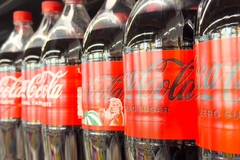

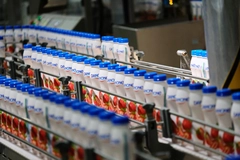
UK enforces junk food advertising ban to tackle childhood obesity


Key takeaways
- The UK bans junk food TV ads before 9 pm and online ads entirely.
- Measures projected to reduce childhood obesity by 20,000 cases and deliver £2 billion (US$2.7 billion) in health benefits.
- Restrictions form part of a broader prevention strategy, including an extended soft drinks levy and energy drink sales ban for under-16s.
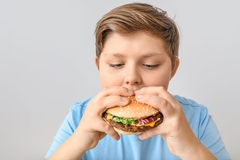
The UK government has enacted sweeping restrictions on junk food advertising, banning ads for less healthy food and drinks on television before 9 pm and online at all times in what the government calls “world-leading” action to combat childhood obesity.
The regulations, which came into force today, are projected to remove up to 7.2 billion calories from children’s diets annually, reduce the number of children living with obesity by 20,000, and deliver approximately £2 billion (US$2.7 billion) in health benefits over time.
“We promised to do everything we can to give every child the best and healthiest start in life,” says Health Minister Ashley Dalton. “By restricting adverts for junk food before 9 pm and banning paid adverts online, we can remove excessive exposure to unhealthy foods — making the healthy choice the easy choice for parents and children.”

The government cites evidence showing that advertising influences what and when children eat, shaping preferences from a young age and thereby increasing the risk of obesity. At the start of primary school, 22.1% of children in England are living with overweight or obesity, rising to 35.8% by the time they leave.
Industry engagement
The UK’s Department of Health and Social Care says it is working closely with health campaigners and industry leaders to balance public health commitments with economic growth considerations. F&B companies have voluntarily adhered to the restrictions since October 2025, ahead of legal enforcement.
Officials note that previous interventions, including the Soft Drinks Industry Levy, prompted businesses to reformulate products. The advertising restrictions have already driven similar reformulation efforts and the promotion of healthier alternatives.
Health advocates respond
Katharine Jenner, executive director of the Obesity Health Alliance, describes the ban as “a welcome and long-awaited step toward better protecting children from unhealthy food and drink advertising that can harm their health and well-being.”
“It’s been one battle after another, but we are finally going to see children being protected from the worst offending junk food adverts,” Jenner says.
Malcolm Clark, senior policy manager at Cancer Research UK, says: “The measures announced today — if properly enforced — are a crucial step toward creating an environment that protects children and empowers healthy lifestyle changes.”
“Obesity and overweight causes at least 13 different types of cancer, and children living with obesity are much more likely to live with obesity as adults too. The UK Government must build on this landmark legislation with further bold action to make a healthy diet more accessible and reduce people’s risk of cancer in the future.”
Broader prevention agenda
The advertising restrictions form part of a wider government prevention strategy that includes extending the Soft Drinks Industry Levy to cover sugary milk-based drinks, banning high-caffeine energy drink sales to under-16s, introducing mandatory healthy food sales reporting for businesses, and empowering local authorities to block fast food outlets near schools.
Alice Wiseman, VP of the Association of Directors of Public Health, notes that the measures draw on lessons from tobacco control. “We know from our experience of tackling tobacco harm that one of the key ways to reduce illness and death caused by harmful products is to introduce tighter restrictions on advertising,” she says.


Upcoming webinars
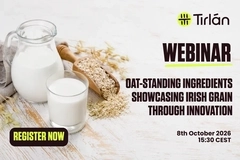
Oat-Standing Ingredients - Showcasing Irish Grain Through Innovation
Tirlán Ingredients

2027 Food Safety Risks for Quality & Compliance Leaders
FoodChain ID
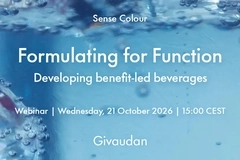
Formulating for function: Developing benefit-led beverages with natural colours, botanicals, and flavours
Givaudan Sense Colour