



Scientists explore rice proteins for plant-based cheese innovation

Key takeaways
- US scientists use rice proteins from brown rice, rice bran, and broken kernels to develop plant-based cheeses.
- Different rice protein sources provide benefits, such as higher solubility in brown rice protein and better texture control with rice bran protein.
- The study highlights the potential for rice protein to support a sustainable circular economy, while expanding the US rice protein market.

US-based researchers have investigated how rice proteins can be used to formulate “hypoallergenic alternative foods” to meet the demands of vegans and consumers who are allergic to dairy, nuts, or gluten. A team at the University of Arkansas extracted various proteins from a single rice cultivar, revealing their potential to provide firm texture and meltability in plant-based cheesemaking, while also expanding the US rice protein market.
In 2024, Arkansas harvested nearly 1.43 million acres, accounting for 50% of the country’s rice production. The US Department of Agriculture reports that the region produced about 14.3 million metric tons of rice bran and 24.8 million metric tons of broken kernels annually, offering a potential yield of 3.3 million metric tons of protein for the plant-based market, the study notes.

The focus on rice proteins calls the plant protein market’s attention toward cereal-derived proteins, which the authors flag “are not widely explored” since the industry predominantly comprises legume and pulse-based proteins.
Additionally, the protein sources in rice are considered byproducts of white rice processing — adding value and potential domestic demand for one of Arkansas’ leading crops, says author Mahfuzur Rahman, assistant professor in the Department of Food Science for the Arkansas Agricultural Experiment Station.
“In a single rice grain, we have three different types of protein — from brown rice, white rice, and bran. That’s the fundamental understanding we wanted to develop. When you say, ‘rice protein,’ what does that mean? Is it brown rice protein? Bran protein? Broken kernel protein?”
Exploring rice protein applications
The scientists extracted protein from rice sections and created three plant-based cheeses using a standard recipe with organic coconut oil and corn starch. They analyzed the protein composition and found four major subunits in rice proteins — albumin, globulin, glutelin, and prolamin, with glutelin being the largest fraction.
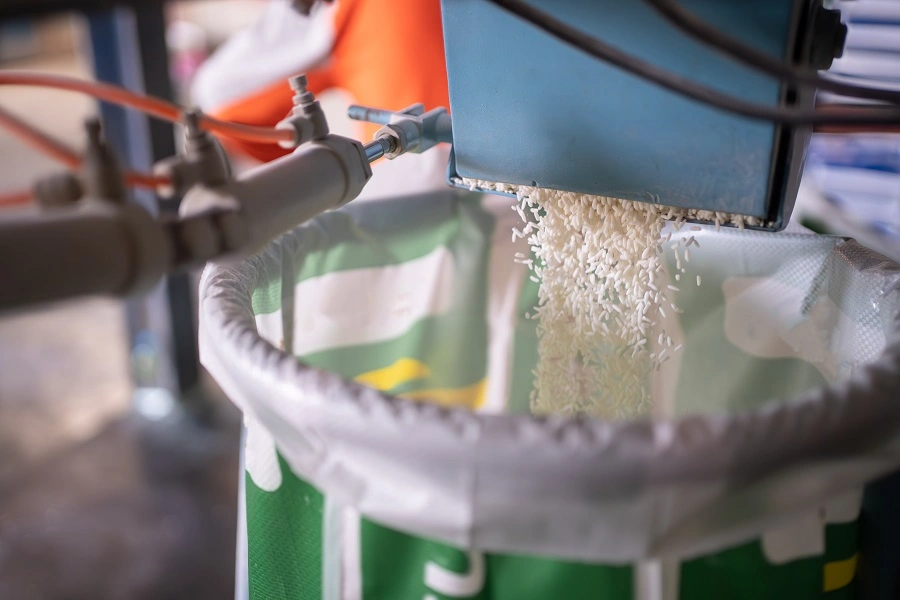 The study highlights rice milling byproducts, like broken kernels and rice bran, as valuable plant-based protein sources with unique functional properties.The findings, published in Future Foods, showed that albumin was the highest in rice bran, whereas glutelin was higher in brown rice and kernel protein. Brown rice protein showed the highest solubility, emulsifying activity, and emulsion stability during the study.
The rice-based cheeses made using the rice byproducts contained about 12% protein — a stark difference from plant-based cheese, which often lacks protein, says Rahman. He emphasizes that the study establishes a clear relationship between the “different sources of rice-based proteins and their functional performance in food products.”
He also expects rice-sourced protein to potentially replace the functionality of eggs and oil in food chemistry, given its sufficient foaming and emulsifying capacities.
The study found that broken-kernel protein had a softer texture, higher oil separation, and better melting properties with high glutelin content. Brown rice protein was rich in essential amino acids and exhibited higher solubility, emulsifying activity, and stability.
Rice bran protein, though less soluble, had higher hydrophobicity, which can help plant-based manufacturers improve texture and minimize oil separation in cheese alternatives.
Circular economy benefits
Currently, companies import and distribute rice protein within the US market, the study notes. Rahman says that using rice milling byproducts for protein extraction presents a “significant opportunity to expand the US-based rice protein market, while promoting a sustainable circular economy.”
 Study lead Mahfuzur Rahman says rice-sourced protein’s foaming and emulsion properties could also replace eggs and oil in food chemistry.Brown rice, bran, and broken white rice kernels contain valuable nutrients. For instance, rice bran contains nearly 15% protein, 15% fiber, and 50% carbohydrates.
Broken kernels, which can be used in pet food and beer brewing, contain about 7% protein, 75% carbohydrates, and 1% fiber.
Advancing rice protein innovation
The scientists used hexane, a common industrial solvent, to extract the rice proteins. Rahman is developing a non-chemical method of protein extraction using ultrasound to improve the protein’s nutritional value. He is also working on extracting gluten from wheat flour using electrically charged plates.
Looking ahead, Rahman expects future studies on rice protein in alternative cheesemaking to focus on refining cheese composition and assessing sensory characteristics, customer acceptance, and shelf life stability to improve consumer acceptance.
“Current research is in progress to tackle these issues, facilitating the transition from laboratory development to practical use,” he says.