



Fonterra on why New Zealand’s grass-fed dairy standard is key to building consumer trust


Key takeaways
- New Zealand’s government-backed grass-fed milk standard enhances transparency, with Fonterra exceeding its requirements.
- Demand for grass-fed dairy is rising globally due to consumer demand for sustainability, animal welfare, and transparency.
- Grass-fed dairy provides natural milk production and taste, amid growing scrutiny on claims and the need for clearer definitions.

The dairy industry is witnessing a rising demand for milk and dairy products from cows primarily fed on grass rather than grain-heavy diets, as consumer interest in transparency, regenerative agriculture, and minimally processed F&B grows. Amid heightened scrutiny around “grass-fed” claims, New Zealand uses a national standard to provide a clearer benchmark in a category consumers associate with health benefits, environmental sustainability, and animal welfare.
The voluntary scheme, developed in collaboration between the primary sector and New Zealand’s Ministry for Primary Industries, defines “grass-fed” as dairy animals having a diet of at least 90% qualifying feed types and grazing on pasture or forage crops for at least 340 days per year.

Dairy giant Fonterra uses the national standard to differentiate its dairy and align its claims with government-defined rules to meet the rising expectations for transparency in dairy products.
“Fonterra’s data shows that its New Zealand farmers’ cows are, on average, 96% grass-fed and spend more than 350 days a year on pasture. This exceeds the requirements of the New Zealand Grass Fed Standard,” Marshall Fong, senior marketing and communications manager for Global Ingredients at Fonterra, tells Food Ingredients First.
 Marshall Fong: Consumers expect grass-fed claims to be supported by clear definitions and transparency.He describes the New Zealand Dairy Grass Fed Administrative Standard as a “government-led, nationally defined standard rather than a private or brand-specific claim,” compared to other international benchmarks.
“There are relatively few countries globally with a government-endorsed definition of ‘grass-fed’ dairy, giving New Zealand’s standard particular credibility in international markets, especially where consumers and regulators place strong trust in government assurance.”
The US has no standardized definition for grass-fed dairy, with the USDA or voluntary third-party certifications (Organic Plus Trust and the American Grass-fed Association) assessing claims on a case-by-case basis. Similarly, the EU lacks a unified definition, and grass-fed positioning depends on national schemes, such as Ireland’s Bord Bia standard, or broader frameworks like organic certification.
Grass-fed dairy growth
The global grass-fed milk market is projected to grow from US$5.2 billion in 2026 to nearly US$29.9 billion by 2035, with Europe leading in global grass-fed milk production (36%), followed by North America (31%), according to 360 Research Reports.
Fong attributes the sector’s rising global demand to consumers seeking greater transparency around how food is produced, alongside growing interest in natural farming systems, animal welfare, and credible sustainability credentials.
“In the US, this shift is increasingly visible in mainstream retail, rather than only niche or premium brands. High-profile examples, such as Costco’s Kirkland Signature grass-fed butter, which is clearly labeled as New Zealand grass-fed, have attracted widespread attention from food media, product reviews, and online tastings.”
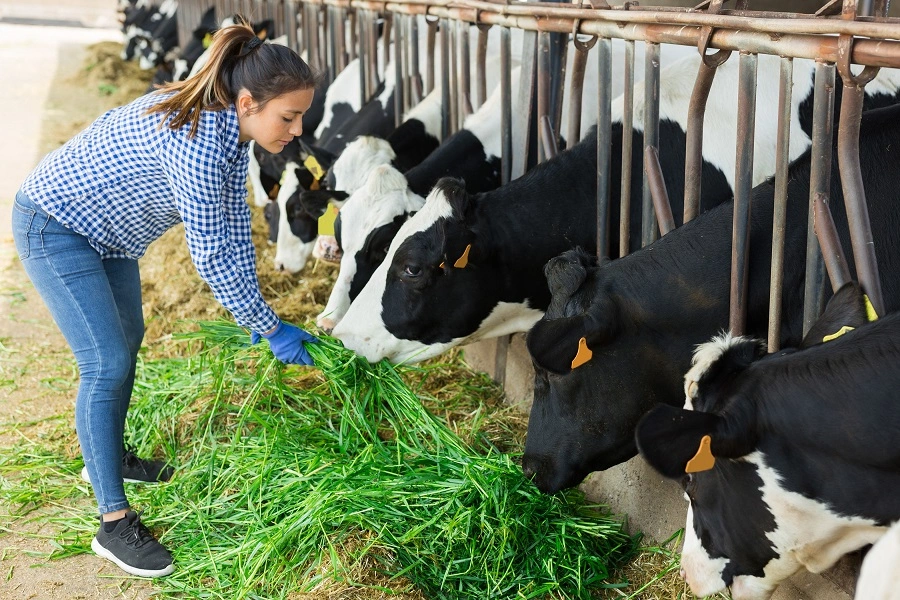 New Zealand’s voluntary grass-fed standard requies dairy animals to have a diet of at least 90% qualifying feed types and graze on pasture or forage crops for at least 340 days per year.This trend reflects how grass-fed dairy has captured consumer palates at scale, he adds. Innova Market Insights’ dairy trends research suggests that over one in three global consumers look for package claims about animal welfare, aligning with the dairy industry’s actions regarding grass-fed cows. One-quarter of consumers globally also seek regenerative farming claims, finds the market researcher.
“Beyond the dairy aisle, regenerative agriculture is increasingly part of mainstream conversation across major podcasts and digital creators. This is accelerating interest in how food is produced and raising expectations for credible, evidence-based claims,” notes Fong.
Grass-fed dairy benefits
Studies describe grass-fed as a “universally attractive attribute” for fluid milk consumers, but suggest that preference for the claim may be partially due to a halo effect resulting from the “cognitive overlap” of consumer concepts of animal welfare, sustainability, and healthiness.
While the grass-fed standard itself focuses on farming system requirements rather than nutrition claims, Fong points out that it helps “protect the natural characteristics associated with pasture-based dairy.”
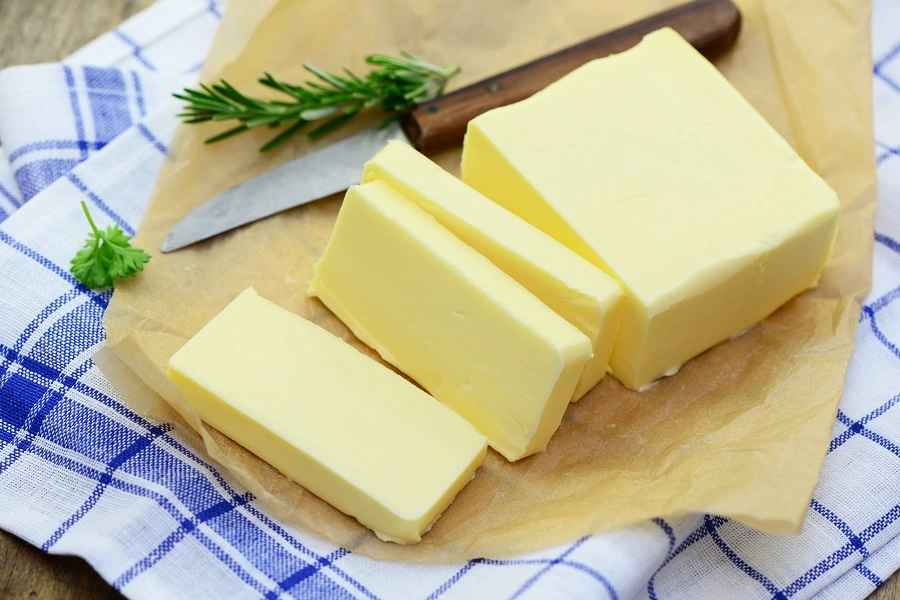
“Products made from grass-fed milk are commonly associated with flavor, texture, and visual cues, such as a naturally deeper yellow color in butter, which is linked to compounds like beta carotene present in grass.”
In the US, consumer response to grass-fed milk reflects this connection, with New Zealand grass-fed butter “widely reviewed and compared” by food writers and online creators, with taste, creaminess, and color frequently cited as differentiators.
Ensuring grass-fed dairy consumer trust
Consumers and food manufacturers increasingly expect grass-fed claims to be supported by “clear definitions, credible verification, and transparency about farming practices” — driven by their presence in large-scale retail and foodservice environments, notes Fong.
 The dairy industry faces increasing pressure for clearer grass-fed milk definitions and stronger verification due to customer, regulatory, and cultural expectations.“Transparency is essential as scrutiny of sustainability and ethical sourcing claims continues to increase. Fonterra delivers on these expectations by aligning its grass-fed claims with the New Zealand Dairy Grass Fed Administrative Standard, and having its scheme independently verified as meeting the standard’s requirements.”
Such verification ensures customers’ confidence over grass-fed claims being grounded in “measurable, government-defined criteria rather than marketing interpretation,” he adds.
Grass-fed versus plant-based dairy
As consumer interest in plant-based dairy alternatives grows, Fong says grass-fed dairy continues to appeal to those seeking “natural, minimally processed products with clear provenance.”
“In the US, the popularity of New Zealand-labeled grass-fed butter in mainstream retail shows that dairy produced through pasture-based systems remains highly relevant to health and sustainability-conscious consumers.”
Rather than competing on imitation, he emphasizes that grass-fed dairy differentiates itself through farming systems, taste, and authenticity. “It offers a clear alternative grounded in how food is produced.”
The future of grass-fed dairy
Globally, the dairy industry is facing increased pressure for clearer definitions of grass-fed milk, besides stronger verification and greater accountability around sustainability and production claims, says Fong.
“This pressure is coming not only from customers and regulators, but also from broader cultural conversation shaping consumer expectations around food systems.”
Fonterra’s role in this transition will include continuing investments in “credible, data-backed sustainability programs” and aligning its claims with recognized standards, such as the New Zealand Dairy Grass Fed Administrative Standard.
“This supports long-term value for farmers while meeting evolving customer and consumer expectations in key international markets.”



Upcoming webinars

Oat-Standing Ingredients - Showcasing Irish Grain Through Innovation
Tirlán Ingredients

2027 Food Safety Risks for Quality & Compliance Leaders
FoodChain ID

Formulating for function: Developing benefit-led beverages with natural colours, botanicals, and flavours
Givaudan Sense Colour