

Time for tagatose? Researchers find biosynthetic route to low-calorie sugar

Key takeaways
- Tufts University researchers develop a cheaper way to make tagatose — a rare sugar that tastes almost like regular sugar but is much harder to find naturally.
- Tagatose is lower in calories, works like sugar in baking and cooking, and tastes more similar to table sugar than most sweeteners.
- The ingredient may be better for health, causing smaller blood sugar spikes and possibly helping oral and gut bacteria.
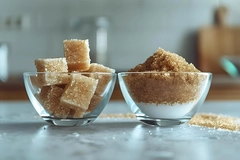
Researchers at Tufts University, US, have taken on the sugar substitute challenge, developing a way to biosynthetically produce the otherwise rare sugar called tagatose. They say their process could provide the sweetness and natural taste of table sugar without its potential harms — and provide some health benefits.
The food industry continues to innovate in sweeteners that deliver the taste of sugar without its drawbacks, which include excess calories, tooth decay, and the heightened risk of obesity, insulin resistance, and diabetes.
Tagatose occurs naturally, but in very small amounts compared to common sugars, like glucose, fructose, or sucrose. It can be found in milk and other dairy products when lactose is broken down by heat or enzymes, including in the production of yogurt, cheese, and kefir.

Some fruits like apples, pineapples, and oranges contain trace levels of tagatose as part of their natural carbohydrate spectrum. Since tagatose is typically less than 0.2% of sugars found in natural sources, it is usually manufactured — not extracted — for consumption.
“There are established processes to produce tagatose, but they are inefficient and expensive,” says Nik Nair, associate professor of chemical and biological engineering at Tufts.
“We developed a way to produce tagatose by engineering the bacteria Escherichia coli to work as tiny factories, loaded with the right enzymes to process abundant amounts of glucose into tagatose. This is much more economically feasible than our previous approach, which used less abundant and expensive galactose to make tagatose.”
Oral and gut bacteria boosts
Unlike sucrose, which can fuel cavity-causing bacteria in the mouth, the researchers say tagatose appears to reduce the growth of some of those bacteria, while evidence suggests that it has probiotic effects to support healthy oral and gut bacteria.
The bacteria are engineered to include a newly discovered enzyme from slime mold called galactose-1-phosphate-selective phosphatase (Gal1P), which can help make galactose directly from glucose. A second enzyme expressed by the bacteria called arabinose isomerase completes the conversion of galactose to tagatose.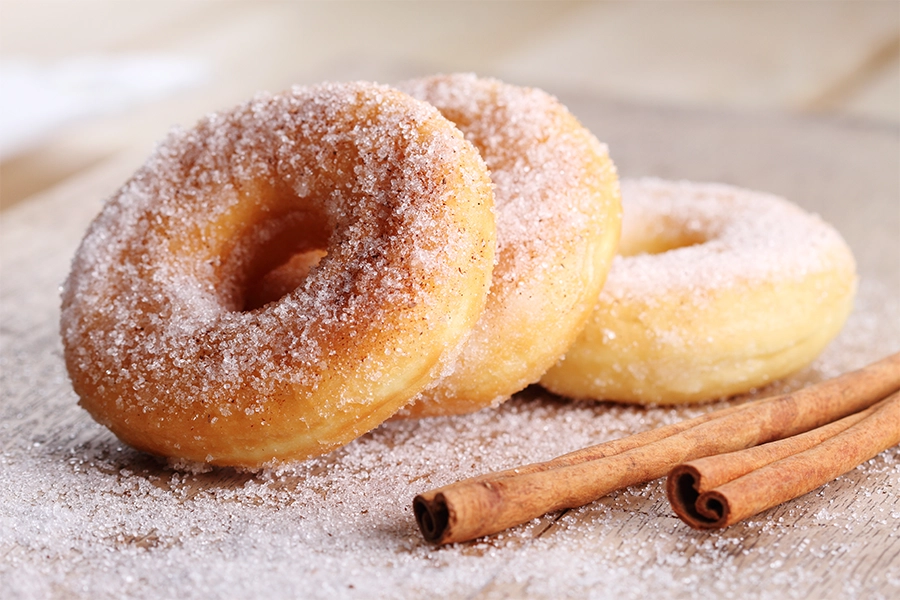 Researchers unveil a cheaper way to produce tagatose — a low-calorie sugar they say tastes like the real thing and bakes just as well.
The study, published in Cell Reports Physical Science, suggests the yield of tagatose from glucose generated by the bacteria could reach up to 95%, which is significantly greater and more cheaply attained than conventional manufacturing, in which yields reach 40–77%.
Tagatose is 92% as sweet as sucrose (table sugar), and has about 60% fewer calories, the researchers say. It has been designated “generally recognized as safe” by the US FDA.
The ingredient’s potential benefits for diabetics derive from the fact that it is only partially absorbed in the small intestine — much of it being fermented by gut bacteria in the colon, meaning its impact on blood glucose and insulin is much less than that of conventional sugar. Clinical studies show very low increases in plasma glucose or insulin after ingestion of tagatose, the researchers say.
“Bulk sweetener” benefits
With low calories and low absorption, tagatose is an attractive “bulk sweetener,” which means it can replace sugar for sweetness, but also provide a similar bulk texture in cooking that comes with adding the sugar in some quantity — something the researchers say that high-intensity sweetener substitutes can’t do.
Tagatose browns like table sugar during cooking. In taste testing versus other sugars and sugar substitutes, it demonstrated the most similarity to table sugar.
“The key innovation in the biosynthesis of tagatose was in finding the slime mold Gal1P enzyme and splicing it into our production bacteria,” explains Nair. “That allowed us to reverse a natural biological pathway that metabolizes galactose to glucose and instead generate galactose from glucose supplied as a feedstock.”
“Tagatose and potentially other rare sugars can be synthesized from that point.”
Food Ingredients First recently spoke to Ingredion, Südzucker, Sweegen, and Tate & Lyle to explore the latest commercial advances in sweetener technologies, flavor modulation, and clean label formulation.




Upcoming webinars

2027 Food Safety Risks for Quality & Compliance Leaders
FoodChain ID

Formulating for function: Developing benefit-led beverages with natural colours, botanicals, and flavours
Givaudan Sense Colour

Let's reveal the grain potential: Innovate
Meurens Natural