
Ube supply shortages push F&B manufacturers toward new sourcing strategies


Key takeaways
- Rising demand, Philippine export restrictions, and planting material shortages are tightening ube supply.
- F&B manufacturers are exploring processed formats, alternative suppliers, and purple substitutes to manage sourcing risks.
- Ube could become an established global ingredient, but long-term growth depends on expanding supply and maintaining differentiation.

Global ube supply is being constrained by a combination of rapidly rising demand and structural production limitations, according to Damien Yeo, senior analyst at Fitch Solutions.
The most immediate factor currently affecting global ube supply is the Philippine government’s decision to suspend exports of fresh ube and planting materials to preserve scarce planting stock and expand domestic production capacity. Officials cited shortages of quality propagation materials and concerns that exporting planting stock could enable competing producers to establish rival supply chains, Yeo tells us.
We sit down with Yeo to explore ube’s sourcing challenges, shifting market demand, and how food and beverage suppliers are responding to shortages. We also discuss its rise from a regional ingredient to a global trend and the alternatives that could help bridge supply gaps.

Why is sourcing fresh ube becoming increasingly challenging for food manufacturers and brands?
Yeo: Beyond the export restrictions, ube production remains concentrated among small-scale farmers with limited land and financial resources. Many producers are hesitant to switch acreage toward ube because they are uncertain whether today’s strong demand will persist.
Ube is commonly propagated from existing tubers rather than seed, meaning that strong demand often encourages farmers to sell more of their harvest instead of reserving material for future planting. After a few cycles, this shrinking pool of planting material would mean that the expansion of ube output becomes challenging. Together, these factors make it increasingly difficult for manufacturers to secure reliable supplies of fresh ube.
Which markets, product categories, and applications are currently driving the strongest demand for ube, and where are you seeing the greatest growth potential for the ingredient?
Yeo: Demand is currently strongest in developed consumer markets, particularly North America, Europe, and other mature food markets where consumers are increasingly seeking novel flavors, visually distinctive products, and authentic Asian food experiences. Within the Philippines’ export sector, the US remains a particularly important destination, while interest is also growing across Canada, Europe, South Korea, and parts of the Middle East.
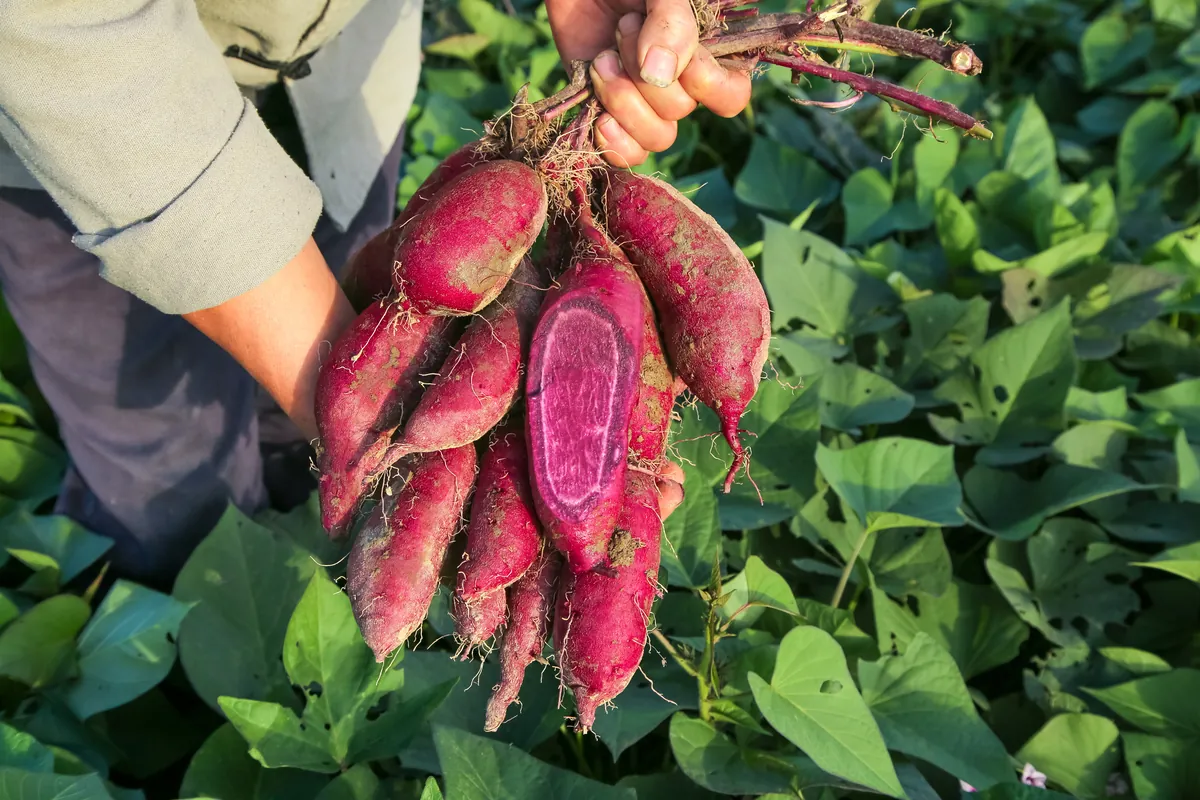 Strong demand pushes farmers to sell ube tubers instead of saving them for planting.In terms of applications, desserts, bakery products, beverages, confectionery, and seasonal foodservice offerings are seeing the strongest uptake.
Ube has successfully moved beyond traditional Filipino products and now appears in ice cream, pastries, donuts, bubble tea, lattes, chocolates, and packaged snacks. Looking ahead, we see the greatest growth potential in mainstream foodservice chains and packaged foods, where brands can combine ube’s distinctive purple color with consumer demand for premium and culturally authentic ingredients.
How are F&B companies responding to potential ube supply constraints, and what sourcing or supply chain strategies could help manage availability risks?
Yeo: Many manufacturers are shifting their focus toward processed formats such as powders, pastes, and frozen products, which remain available even as fresh ube exports are restricted. Others are beginning to evaluate alternative origins and suppliers to diversify sourcing exposure. Industry participants are also recognizing that long-term availability will depend not only on purchasing ingredients but on strengthening planting material supply, processing capacity, and traceability throughout the value chain.
To manage risk, companies should avoid reliance on a single producing region, develop relationships with multiple suppliers, and consider longer-term procurement agreements. While the Philippines remains the country most closely associated with commercial ube production, it is not the only producer. Ube is cultivated in several tropical countries across Southeast Asia and the Pacific. Vietnam is a notable example and has supplied ube to the Philippines itself. Smaller-scale production also exists elsewhere in the region, although Philippine varieties tend to enjoy the strongest brand recognition and are often regarded as the benchmark for quality and flavor.
Businesses that expect ube demand to remain important may also benefit from investing in strategic partnerships with growers, processors, and propagation programs that can help expand future production capacity. These approaches are becoming increasingly important as demand growth continues to outpace supply growth.
Could ube’s rapid rise from a regional ingredient to a global trend create longer-term opportunities for cultivation expansion in other regions, or are there challenges that could limit broader production?
Yeo: Similar to my point above, the trend certainly creates opportunities for cultivation expansion outside the Philippines. Ube grows well in tropical environments, meaning countries such as Vietnam and Indonesia, as well as regions including Hawaii, northern Australia, and parts of the Caribbean, could potentially increase production over time. As international demand grows, it is likely that more markets will seek to reduce dependence on the Philippine supply.
However, broader expansion faces several challenges. The earlier mentioned access to quality planting material remains a major constraint, while farmers may be reluctant to commit scarce farmland to a crop whose long-term commercial prospects remain uncertain.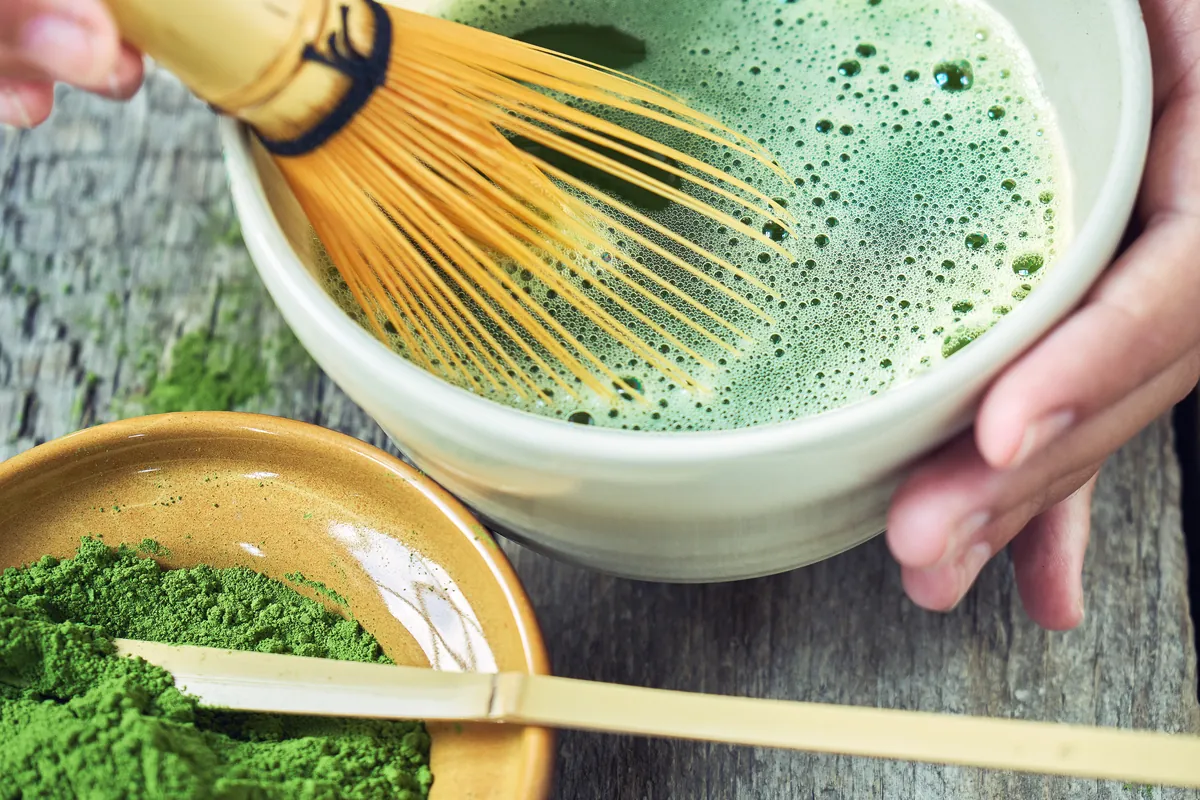 Yeo says it remains to be seen if ube will achive the same long-term category status as matcha.
Nevertheless, while ube enjoys strong Filipino heritage associations, it has not yet developed the same origin-based prestige that helps protect products such as Japanese matcha from competitive supply expansion. This makes it easier for production to shift geographically over time.
If ube availability remains constrained, which alternative ingredients could manufacturers explore to achieve similar visual appeal, flavor profiles, or consumer appeal?
Yeo: Purple sweet potato is currently the most obvious substitute, particularly in applications where visual appearance is more important than exact flavor replication. Other naturally purple ingredients, such as purple taro, purple corn, purple carrot, and certain berry-based ingredients, can also help provide vibrant coloring in beverages, bakery products, and desserts.
That said, these alternatives are unlikely to fully replicate the distinctive flavor profile of ube, which combines sweet, nutty, and vanilla-like notes. Manufacturers will therefore need to determine whether consumers are primarily seeking authentic ube specifically or whether they are attracted mainly by the color, novelty, and social-media appeal associated with purple products.
Looking ahead, do you expect ube to become an established ingredient category similar to matcha, or could supply limitations affect its trajectory as a global F&B trend?
Yeo: We expect ube to remain a significant global food trend over the medium term because the structural drivers supporting demand remain intact. Consumers continue to seek new flavors, authentic cultural experiences, and visually distinctive products, all of which play to ube’s strengths. The recent supply squeeze arguably reinforces the view that ube has progressed beyond a niche ethnic ingredient and entered the global mainstream.
However, we are more cautious about whether ube will ultimately achieve the same long-term category status as matcha. Matcha benefits from a strong premium positioning linked to Japanese origin, craftsmanship, and authenticity, whereas ube is often viewed more as a flavor and color ingredient. If supply expands significantly outside the Philippines or manufacturers increasingly adopt substitutes, ube could evolve into a more mainstream and commoditized ingredient. Nevertheless, the fact that policymakers are now treating ube as a strategic agricultural opportunity suggests that the ingredient is increasingly viewed as a durable category rather than a passing trend.
Our base case is that ube will become an established category, but its long-term value potential will depend on how successfully the industry can expand supply. With supply, we see the possible segmentation of the product where authenticity and differentiation will eventually give way to a spectrum of price points for varying grades or types of ube.




Upcoming webinars

Oat-Standing Ingredients - Showcasing Irish Grain Through Innovation
Tirlán Ingredients

2027 Food Safety Risks for Quality & Compliance Leaders
FoodChain ID

Formulating for function: Developing benefit-led beverages with natural colours, botanicals, and flavours
Givaudan Sense Colour