


FoodChain ID’s new partnership breathes life back into Ukraine’s war-torn farmland

Key takeaways
- FoodChain ID and CE-LAB introduce ISO-based certification for war-affected land.
- Independent verification reduces uncertainty and risk for global F&B sourcing.
- The model supports land restoration, regenerative farming, and supply chain resilience.
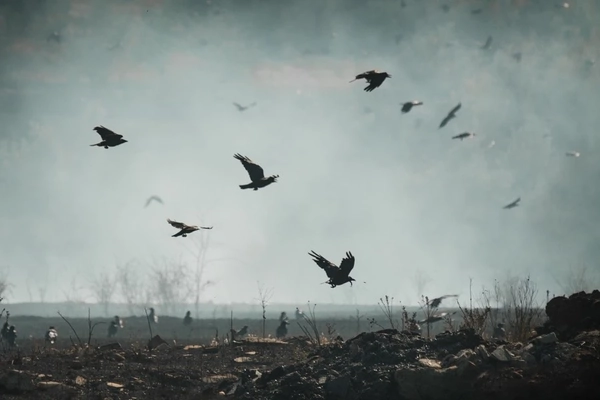
A new partnership between FoodChain ID and the Center of Excellence for Life Sciences, Agriculture and Bioingenuity (CE-LAB) is poised to bolster farming and food security in Ukraine. The collaboration is part of an initiative to improve land that is mined and contaminated because of conflict, and comes amid estimates that 7.5 million hectares of land in Ukraine have recently suffered these effects because of military operations.
The partnership aims to certify that reclaimed land and water damaged by war and restored through phytoremediation, crater recultivation, and field diagnostics are again suitable for agricultural use.
Carbon traceability programs to validate and verify transitional regenerative farming practices will also be part of the project.

Land will only be certified after official clearance and rigorous testing. The certification involves land being cleared (e.g., mines, unexploded ordnance, debris) by authorized operators, not volunteers or informal groups. The land will then be subject to specific environmental tests to check soil, water contamination, fertility, and other safety checks.
Chetan Parmar, senior vice president of Technical Services Europe & Asia at FoodChain ID, tells Food Ingredients First that the project reduces uncertainty for F&B companies sourcing from post-conflict regions, and flags how critical it is to bring previously inaccessible or unsafe agricultural land back into productive use.
For those less familiar with Ukraine’s agricultural landscape today, what does “restored land” actually mean in practice after war-related contamination?
Parmar: In practical terms, “restored land” refers to agricultural land that has undergone a rigorous process of assessment, remediation, and verification following war-related contamination. This can include the removal of physical hazards, such as unexploded ordnance, as well as extensive testing and treatment to address chemical or environmental contaminants that may pose risks to food safety. The ultimate objective of land restoration is to ensure that crops grown on that land are safe for consumers and suitable for re-entry into the global food supply. Restoration is not simply about making land usable again: it is about rebuilding trust, ensuring long-term soil health, and creating the conditions for sustainable agricultural production that can support both local livelihoods and international markets.
Why was independent, ISO-based certification such a critical missing piece in post-conflict land restoration efforts until now?
Parmar: Independent, ISO-based certification provides a globally recognized framework for demonstrating objectivity, transparency, and impartiality in verification processes. Until now, many post-conflict land restoration efforts lacked a harmonized, internationally accepted mechanism to independently validate that land had been properly assessed and remediated. ISO-based certification ensures that decisions are grounded in science, consistent methodologies, and auditable processes. This is particularly important in post-conflict environments, where confidence gaps can exist among regulators, buyers, and consumers. Independent certification helps bridge those gaps by providing credible, third-party assurance that restoration claims are robust and trustworthy.
What gaps in global food supply assurance does this partnership between FoodChain ID and CE-LAB specifically address?
Parmar: This partnership directly addresses the challenge of bringing previously inaccessible or unsafe agricultural land back into productive use, while ensuring food safety, environmental integrity, and supply chain transparency. Ukraine has long been, and continues to be, a critical global supplier of grains and oilseeds and therefore restoring land for cultivation is essential to stabilizing and strengthening global supply chains. Beyond Ukraine, this collaboration establishes a scalable model. The broader ambition of FoodChain ID and CE-LAB is to support the conversion of war-impacted or contaminated land in other regions, enabling local communities to rebuild agricultural capacity while contributing to global food security and sustainability objectives.
How should global F&B brands think about sourcing from restored Ukrainian land differently than traditional origin markets?
Parmar: Sourcing from restored land presents both a responsibility and an opportunity for global food and beverage brands. In the near term, purchasing commodities from farmers operating on restored land directly supports economic recovery and helps reinvest value into local communities affected by conflict. Looking further ahead, there is significant potential to transition restored land into regenerative agriculture systems. This opens opportunities for brands to support improvements in soil health, biodiversity, water stewardship, and land-use efficiency. By engaging early and taking a long-term view, brands can play an active role in rebuilding resilient agricultural ecosystems rather than simply sourcing raw materials.
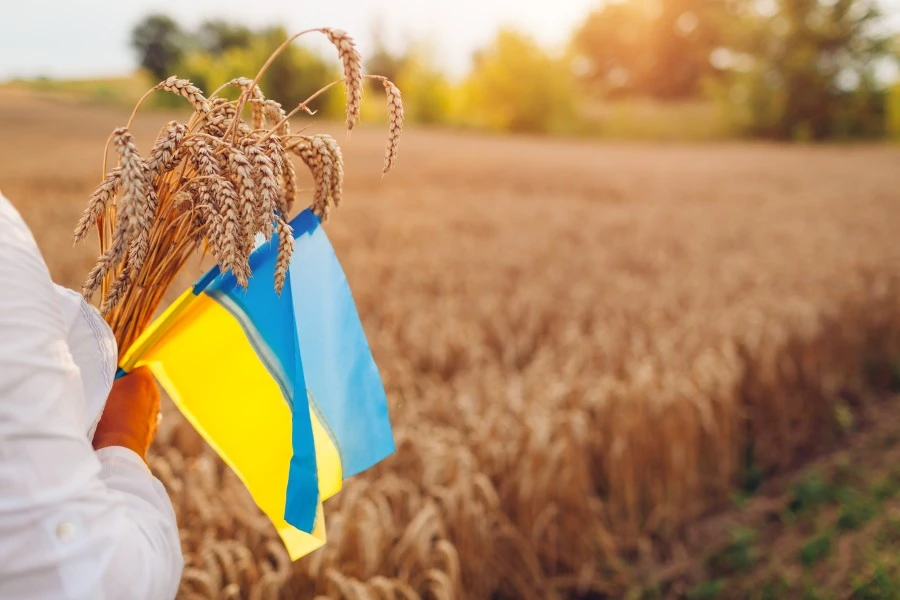 The objective of land restoration is to ensure that crops grown on that land are safe for consumers and suitable for re-entry into the global food supply.
How can verified carbon and regenerative claims unlock new revenue streams for Ukrainian farmers while meeting global market expectations?
Parmar: Verified carbon and regenerative claims create multiple pathways for farmers to diversify income while aligning with global sustainability expectations. One option is participation in carbon offset markets, where farmers can generate and sell carbon credits based on verified emissions reductions or sequestration practices. Another approach is insetting within supply chains, where food and beverage brands pay a premium for products linked to verified carbon or regenerative outcomes. This allows companies to meet corporate climate and sustainability goals while directly supporting farmers. In addition, public-private partnerships can provide financial incentives and technical support similar to initiatives seen in countries like Brazil, where deforestation-free claims are supported across the soy and animal feed supply chains.
How does this certification help F&B companies manage reputational and regulatory risk when sourcing from post-conflict regions?
Parmar: The core purpose of the certification program is to provide robust assurance that agricultural products grown on restored land are safe for consumption and compliant with applicable regulatory requirements. This reduces uncertainty for food and beverage companies sourcing from post-conflict regions. From a reputational perspective, independent certification helps companies demonstrate due diligence, responsible sourcing, and proactive risk management. It provides documented third-party evidence that food safety and environmental risks have been systematically assessed and addressed, an increasingly important expectation from regulators, investors, and consumers alike.
Could this model influence how multinational brands assess land integrity, and environmental safety beyond Ukraine?
Parmar: Yes, absolutely. Once proven at scale in Ukraine, this land and water restoration certification model has the potential to be applied in numerous other contexts. There are regions across Africa, Southeast Asia, and elsewhere that have experienced prolonged conflict or environmental degradation but still possess fertile land with strong agricultural potential. In these settings, a structured restoration and certification approach could support land regeneration, enable safe agricultural production, and help rebuild local economies. For multinational brands, this model offers a more systematic way to assess land integrity and environmental safety in complex sourcing regions.
How could efforts like this change the way the global food system responds to crises in the future — whether from conflict, climate change, or natural disasters?
Parmar: Initiatives like this help shift the global food system from a reactive to a more resilient and proactive model. With the global population expected to reach around nine billion by 2050, unlocking additional land for safe and sustainable agricultural use will be critical to maintaining supply chain resilience. By establishing credible frameworks for land restoration, verification, and regeneration, the industry can respond more effectively to disruptions caused by conflict, climate change, or natural disasters. Ultimately, this approach supports not only food security but also long-term sustainability, community recovery, and environmental stewardship across the global food system.