

Nestlé infant formula scandal: CEO apology inadequate, says consumer watchdog
Brazil’s health authorities confirm first reported illnesses linked to product recall

Key takeaways
- Foodwatch demands that Nestlé disclose the full timeline of contamination knowledge and explain the delayed country-by-country warnings.
- Brazilian health authorities confirm the first illnesses linked to the recall — two infants sickened with vomiting and diarrhoea.
- Nestlé CEO Philipp Navratil apologises for “worry and disruption.”
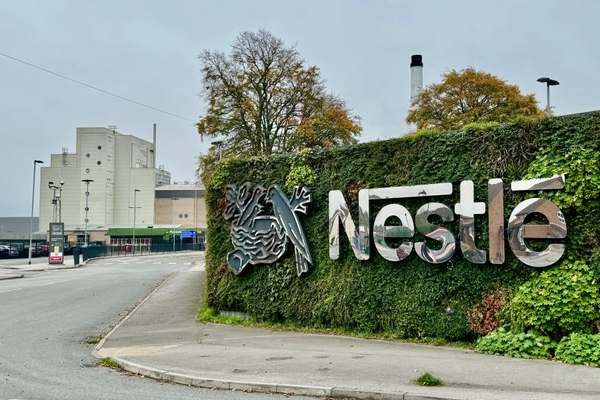
Consumer watchdog Foodwatch has criticized Nestlé’s public apology over its global infant formula recall, demanding the Swiss food giant disclose exactly when it knew about the contamination and why warnings to parents were delayed.
The rebuke comes as Brazilian health authorities confirmed the first reported illnesses linked to the recalled products. The Secretaria de Saúde do Distrito Federal announced on Tuesday that two infants around one year old experienced persistent vomiting and diarrhoea after consuming the affected formula. Both are recovering after their families stopped using the products, which were purchased before the recall was announced.
“An apology is not enough,” Nicole van Gemert, director of Foodwatch, tells Food Ingredients First. “What parents needed weeks ago was clear information, immediate warnings, and full transparency — not a late expression of regret after a global scandal had already unfolded.”

Nestlé CEO Philipp Navratil issued a video statement on Tuesday apologizing for the “worry and disruption” caused by the recall, which now spans more than 60 countries and nearly 80 batches of SMA, BEBA, NAN, and Alfamino infant formula products. In the statement, Navratil said there had been no confirmed cases of illness, though the Brazilian cases were confirmed the same day.
“You trust us to provide products that are safe and of high quality, and we take that responsibility very seriously,” Navratil says. “As a parent myself, I fully understand how important this is to you.”
The CEO confirmed the company identified a quality concern at its Netherlands factory in December, with the contamination traced to cereulide — a heat-resistant toxin produced by Bacillus cereus bacteria — in arachidonic acid (ARA) oil from an external supplier. Nestlé has not named the supplier, but says it has suspended sourcing from the company and restarted production using alternative sources.
Watchdog calls for sanctions
However, Foodwatch argues the country-by-country rollout of recall notices left families exposed for weeks without adequate information.
“Nestlé and food authorities were aware of the contamination long before parents were informed,” van Gemert says. “During that time, information was released slowly, country by country, leaving families in the dark about products meant for babies.”
Navratil addressed the staggered recall process in his statement, describing it as “government-mandated” for highly regulated infant nutrition products. “As soon as we confirmed the issue, we engaged proactively with the respective health and food safety authorities in each country that received the affected products,” he says. “We collaborated closely with the authorities and followed their guidance.”
Márcia Olivé, director of the Distrito Federal’s health surveillance authority, said the Brazilian infants had consumed products purchased before the recall and urged families to check any formula at home against the published batch list. Nestlé told Brazilian media it had not been notified of the cases.
Van Gemert is calling for full accountability: “If Nestlé is serious about taking responsibility, it must go beyond apologies and fully disclose when it knew what, which products were affected, where they were sold, and why warnings were delayed.”
She also questioned whether existing enforcement mechanisms are sufficient to prevent future incidents. “There must be real consequences. Without strong sanctions and penalties that truly deter companies, these failures will keep happening.”
Nestlé says the recalled products represent less than 0.5% of annual group sales. The company’s shares have fallen approximately 4% since the recall began.
We have contacted Nestlé for further comment regarding the alleged lack of transparency and the cases reported in Brazil.