


How lactose-free milk can boost dairy consumption in coffee shops

Key takeaways
- US-based researchers highlight the potential for lactose-free milk to increase dairy consumption, particularly in coffee.
- Lactose-free dairy faces growing demand, with flexitarians and plant-based milk consumers showing increased interest in these products in coffee shops.
- The lactose-free milk market has growth challenges due to consumer perception and labeling accuracy issues.
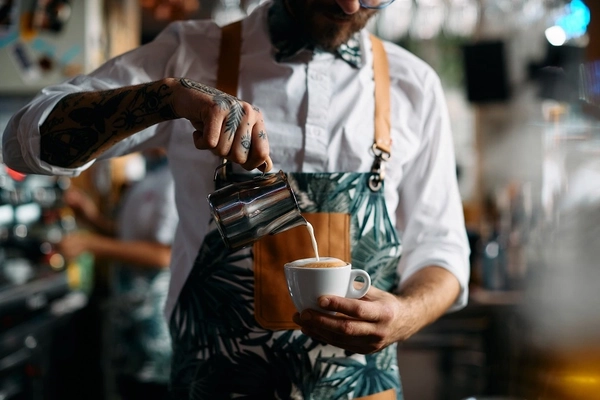
The dairy industry has an “untapped opportunity” to increase product consumption through lactose-free milk — especially as consumers continue to show preference for milk or creamers in coffee, a US-based study reveals. However, participating consumers said they want lactose-free milk to match the taste and texture of regular milk, while many were willing to switch to lactose-free milk if options were “readily available and clearly labeled.”
The findings can guide the dairy industry in boosting dairy consumption in coffee amid consumers’ myriad expectations around taste, digestibility, and cost.
They also promote lactose-free dairy milk’s digestibility and comparable nutrition profile to traditional dairy milk, as lactose-free claims remain a growing feature of product innovation, especially in dairy and free‑from segments.

In the US, about one in seven consumers reports actively limiting lactose intake, while in the EU, lactose‑free product launches (including milk) are increasing across multiple categories, such as dairy, meat substitutes, and bakery, according to Innova Market Insights.
The study was conducted by Chapman University in California, US, and combined qualitative interviews with a quantitative online survey of 300 adult coffee drinkers and coffee shop operators in the state. The aim was to identify the major drivers of milk choice in coffee and to explore the familiarity and perceptions of lactose-free dairy milk.
“We know from previous research that 77% of coffee drinkers prefer milk or creamer in their coffee — and tons of research has been done into consumer preference for dairy and plant-based milks — but we were curious about what drives milk choices in the specific context of coffee shops,” says co-lead author, Dr. Uyen Thuy Xuan Phan, from the Schmid College of Science and Technology, Chapman University.
The findings, published in the Journal of Dairy Science, highlight that while US-based coffee shops offer various dairy and plant-based milk alternatives, no studies have explored what specifically drives milk choices in these shops.
Boosting lactose-free milk availability
The researchers also wanted to understand whether offering lactose-free milk could influence consumers’ coffee shop visits. More than one-third of flexitarians (36%) and nearly one-third of plant-based milk alternative drinkers (32%) surveyed reported an increased likelihood of visiting a coffee shop offering lactose-free milk, compared with a smaller share of primarily dairy milk drinkers.
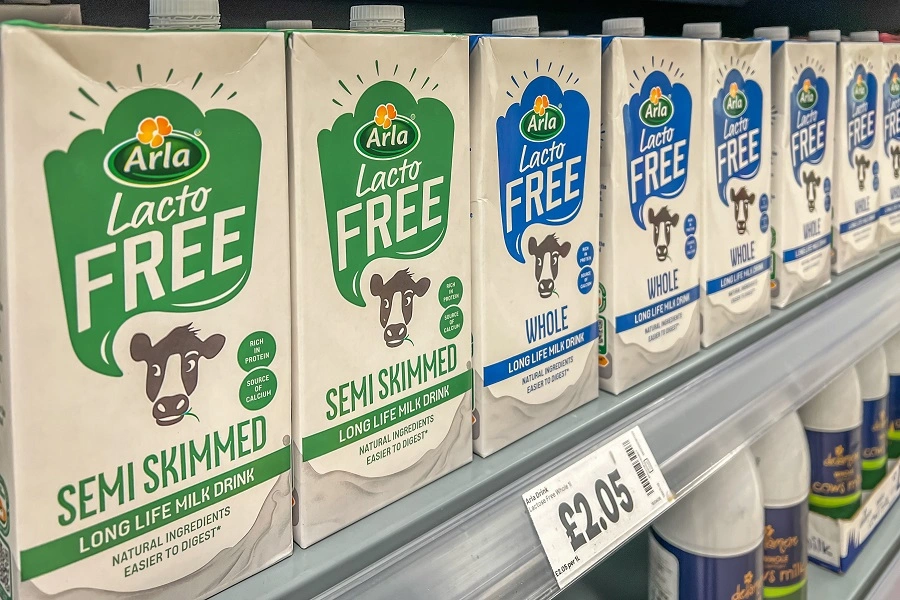 Lactose-free milk offers a digestible alternative with a similar nutritional profile to regular milk, appealing to lactose-intolerant consumers.“These findings reveal a substantial opportunity for coffee retailers to better serve lactose-intolerant consumers by offering lactose-free milk as an alternative to plant-based alternatives,” says co-lead author, Dr. Anuradha Prakash, fro, the Schmid College of Science and Technology, Chapman University.
“Although plant-based options are currently the dominant choice among lactose-intolerant visitors, the data suggest that this preference may be driven more by availability than by genuine preference.”
In the study, oat milk emerged as the “most preferred plant-based alternative” due to its creaminess and compatibility with coffee, whereas whole dairy milk remained popular for its richness and familiarity.
Understanding consumer preferences
Flexitarians and those who primarily consume dairy milk share similar decision-making patterns, placing high importance on taste, texture, familiarity, and convenience.
Meanwhile, primarily plant-based milk substitute drinkers placed lesser importance on sensory attributes, while animal welfare and sustainability mattered more.
Commenting on these findings, Dr. Prakash describes consumer food decisions as “rarely one-dimensional.” “Rather, they are shaped by a constellation of factors spanning health, ethics, taste, and lifestyle,” she says.
Recent milk trends research by Innova Market Insights highlights that US consumers are demanding higher‑protein, lower‑sugar milk products, including ultra-filtered and lactose‑free milk, as part of broader nutrition and convenience trends. However, the noticeably higher price of ultra-filtered milk over conventional milk could deter consumer purchases.
Addressing lactose-free market gaps
As the F&B industry continues to explore lactose-free innovations, industry projections forecast that the global market could be worth US$28 billion by 2033. However, the category’s growth is challenged by a persistent issue regarding consumer perception, with Kerry’s recent Dairy Decode research revealing that 36% of consumers globally do not trust “lactose-free” labeling to be genuine.
 The study says California coffee drinkers and shop operators would choose dairy milk more often if lactose-free options were readily available and clearly labeled.To tackle this trust gap, Kerry uses its online tool LactoSens, which provides “precise, on-site verification of lactose-free claims in under three minutes, helping brands ensure trusted, high-quality products that meet both regulatory requirements and consumer expectations,” Katy McCall, senior product manager on Lactase at Kerry, told Food Ingredients First last week.
Another challenge is the relatively small segment of the overall dairy market that lactose-free milk occupies, despite lactose intolerance being a common concern among adults, notes the Chapman University research team. The study’s findings indicate that lactose-free milk may serve as a bridge option for some consumers who value dairy’s taste and nutritional profile but seek greater digestibility, particularly in their coffee shop orders.
“By highlighting the benefits of lactose-free milk through education and signage, the dairy industry can better meet evolving consumer needs and expand its presence in the competitive coffee market,” says Dr. Phan.
Meanwhile, recent studies have shown that consumers who earn higher incomes are more likely to consume lactose-free milk. They associate “lactose-free” with healthiness, in line with “free-from” consumers, and exhibit a greater willingness to purchase lactose-free products.