



Fi Europe 2026: Fiberstar to showcase citrus fiber for beverage and dry blend stability

Key takeaways
- Fiberstar says one part of Citri-Fi Pro can replace 50 parts of gum arabic in a typical beverage flavor emulsion.
- Its citrus fiber keeps dry blends free-flowing through repeated exposure to high humidity.
- The company will showcase how it uses citrus juice byproducts to make functional ingredients at Fi Europe in Frankfurt.

Fiberstar will showcase Citri-Fi Pro at Fi Europe 2026 in Frankfurt, Germany, positioning the citrus fiber as an alternative to gum arabic and modified food starch in beverage flavor emulsions. The US-based company will also demonstrate how its upcycled citrus fiber can help prevent caking in dry powders and seasoning mixes.
Ahead of the show, Brock Lundberg, chief science officer at Fiberstar, tells Food Ingredients First that lower inclusion rates can help beverage manufacturers cut costs. He previously discussed how gum arabic supply pressures are driving interest in citrus fiber.
“Because Citri-Fi citrus fibers stabilize at lower usage rates compared with gum arabic and modified food starch, they provide a large cost savings opportunity,” says Lundberg.
“For instance, in a typical emulsion, one part of Citri-Fi Pro is able to replace 50 parts of gum arabic. Not only does this save ingredient costs, but sourcing, logistics, storage, and handling an ingredient at 50 times less has many efficiencies.”
Simpler labels and stable emulsions
Fiberstar recommends declaring the ingredient as “citrus fiber,” “dried citrus pulp,” or “citrus flour.” The company’s focus on familiar ingredient names and formulation performance reflects a broader theme to be discussed at this year’s Fi Europe.
“From a labeling perspective, consumers are demanding more natural-sounding food ingredients from recognizable sources,” Lundberg says.
He also points to performance in alcoholic drinks, where beverage makers need emulsions to hold up in the finished product.
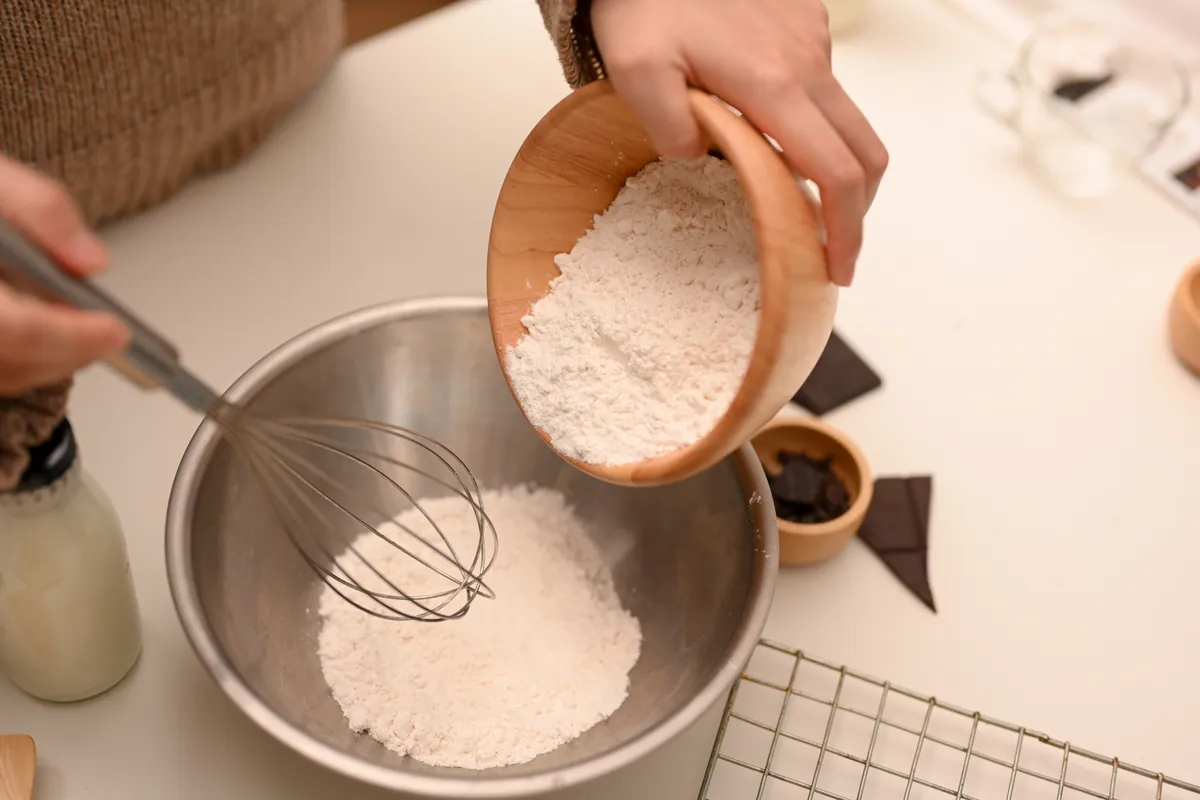 Fiberstar’s Citri-Fi can bind moisture and keep dry powder free flowing.“Citri-Fi Pro citrus fibers are heat-stable, so they hold up well through a variety of manufacturing, storage conditions, and applications. Citri-Fi Pro citrus fiber performs well when included in alcoholic drinks, where many other ingredients, including gum arabic and modified food starch, have challenges. Thus, whether used directly in an alcoholic drink or in a flavor emulsion used in alcohol, the emulsion can be maintained when citrus fibers are used.”
Keeping seasoning mixes free-flowing
Fiberstar is also positioning Citri-Fi as an alternative to silicon dioxide and rice hull fiber in dry blends. The company says its comparison testing found that it needed less citrus fiber than either alternative to achieve an “anti-caking” effect.
“In hot and humid environments, the shelf life of many dry blends can be reduced due to moisture from the air causing flowability and caking issues,” Lundberg explains.
“Additionally, Citri-Fi citrus fiber has a naturally high glass transition temperature, so it remains a solid even at high temperatures, which often cause ingredients to soften and transition into a sticky mixture.”
Fiberstar tested the fiber through repeated cycles of high humidity. “Citri-Fi is able to bind the moisture and keep the dry powder free flowing,” he adds.
Giving citrus juice byproducts a second use
Fiberstar will take part in the show’s upcycled food and ingredients innovation tour, where it will highlight how the soluble and insoluble components of citrus fiber can help manufacturers manage texture and stability. The showcase is one example of how suppliers are turning food production byproducts into functional ingredients.
“For instance, the naturally occurring soluble fiber and pectin, along with the insoluble fiber native to citrus fibers, have water-holding capacity and a pleasant mouthfeel to help improve taste, stability, and texture,” Lundberg says.
He sees consumer familiarity and the technical requirements of individual applications as factors that will shape wider adoption.
“As more labels include citrus fiber on the ingredient legend, familiarity and adoption will continue to grow. Additionally, there can be some technical nuances that are important to follow to have success when using citrus fibers in various applications.”
“Working closely with the citrus fiber supplier’s technical support team can help reduce the trial and error needed to accomplish product developers’ project objectives.”