



Algae innovation: Scientists convert chocolate processing waste into valuable blue pigment


Key takeaways
- KAUST scientists demonstrate how sugar-rich chocolate processing waste can be converted into C-phycocyanin, a high-value, naturally occurring blue pigment.
- The red algae Galdieria thrives in hot, acidic conditions, enabling higher yields, lower contamination risk, and potentially lower costs compared to conventional phycocyanin production.
- By utilizing factory waste and elevated CO2 to enhance algal growth, the research suggests a scalable model for producing circular, low-waste ingredients.
Researchers at King Abdullah University of Science and Technology (KAUST), Saudi Arabia, have discovered a new aspect of a very old organism and utilized it to transform waste from a chocolate factory into C-phycocyanin, a valuable blue pigment. According to the researchers, this method could significantly reduce costs and increase yields in chocolate processing.
In the research, Mars is a case-study contributor and sustainability collaborator, helping demonstrate how circular economy concepts could work in a real chocolate production setting, while the scientific innovation itself comes from KAUST.
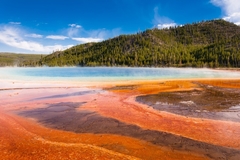
The study, published in Trends in Biotechnology, outlines how Galdieria yellowstonesis, an ancient strain of red algae, can eat the sugars found in chocolate processing waste to grow into a protein-rich biomass containing C-phycocyanin, which is used in food products and estimated to have a global market value of over US$275 million by 2030.
Adding to the findings was the discovery that high levels of carbon dioxide promote the growth of Galdieria. Normally, carbon dioxide is a byproduct produced by microbes as they break down sugar.
Utilizing chocolate processing waste
KAUST associate professor and lead author of the study, Kyle Lauresen, says: “Our work studying the metabolism of algae is uncovering new ways to turn waste into valuable products sustainably. Chocolate production, for example, generates waste when process lines start and stop. We realized this waste could be a useful food for Galdieria.”
Phycocyanin from Galdieria, of which C-phycocyanin is one type, was recently deemed food-safe by the US FDA and is suitable for beverages and other food applications. However, compared to conventional methods for phycocyanin, which use cyanobacteria, the KAUST method using Galdieria can significantly reduce costs and increase yields because the hot and highly acidic environment in which it thrives can reduce the presence of other microbes.
Circular economy boost
Additionally, the recycling of factory waste into feed for microorganisms, such as algae, helps produce valuable products and contributes to the local industry’s participation in a circular economy. This benefit is especially relevant for food producers, who face increasing pressures related to production costs and waste management.
Mars’ corporate affairs director for the Middle East and Africa, Obai Rahim, adds: “At Mars, we foster innovation and sustainability through meaningful partnerships with leading academic institutions like KAUST. We are pleased that our chocolate samples could support this collaborative research, and we welcome the KAUST team to our King Abdullah Economic City facility.”
“This project reflects our dedication to advancing science and developing sustainable solutions, especially those that leverage local resources and expertise. The exploration of blue phycocyanin production from Galdieria grown on food waste aligns with our vision for a more sustainable future and our ongoing efforts to reduce food waste and promote circular economic practices.”
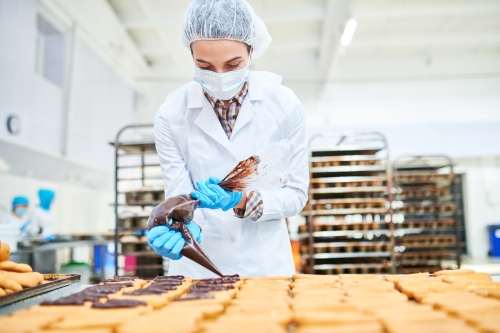 For their experiments, Lauresen and his research team collected waste from a chocolate factory in Saudi Arabia. “Mars values the opportunity to engage with local industry and academia, and we look forward to continuing our collaboration with KAUST to drive impactful research and innovation in the region.”
The researchers plan to further develop their process by assessing the scalability and technical capacity of Galdieria production processes using locally available waste, thereby helping more businesses in Saudi Arabia make the critical shift toward a circular carbon economy.
Galdieria: The next superfood?
In similar developments, earlier this year, the FDA approved the use of three natural colors to “expand the palette of available colors” for F&B manufacturers. Galdieria extract blue, butterfly pea flower extract, and calcium phosphate are the three dyes allowed, in line with the US Department of Health and Human Services’ initiative to “Make America Healthy Again.”
Galdieria has previously been touted as the next “superfood” in the algae arena, according to the research of biotechnologist Fabian Abiusi from Wageningen University & Research, the Netherlands.
As an extremophile species, Galdieria sulphuraria can thrive in extreme environments that are typically inhospitable to life. Although the species has been studied for decades due to its resilience and adaptability, it has yet to be examined as a potential food source or produced at a commercial scale.