




Treefera CEO: AI flags cocoa supply risks as weather pressures cloud 2027 outlook

Key takeaways
- Treefera combines satellite data and AI to identify agricultural supply risks before they appear in market data.
- Drought in West Africa and disease pressures in Ecuador could tighten cocoa supplies and raise prices in 2027.
- Earlier risk visibility can help manufacturers diversify sourcing and assess cocoa alternatives.
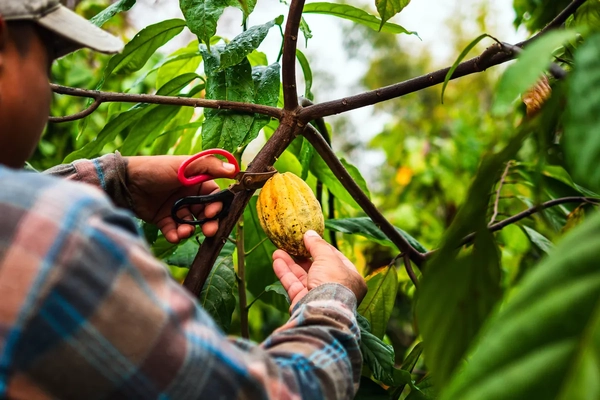
The “biggest shift” in agricultural supply chains is the need to understand risk where it begins, rather than waiting for it to appear in aggregated market data, according to Jonathan Horn, CEO and co-founder at Treefera.
While conditions at the “first mile” can change quickly, those changes can take time to show up in official production estimates, commodity prices, or company financials.
For commodities like cocoa, where production is concentrated across a relatively small number of regions, that visibility becomes particularly important, says Horn. The ability to see where conditions are deteriorating or improving can help companies move from reacting to supply disruptions to anticipating them.
We speak to Horn to understand how Treefera, an AI-native platform for agricultural and soft commodities, offers first-mile intelligence that gives manufacturers a more continuous view of what is happening at the source.
How does Treefera’s technology work?
Horn: The first mile is where crops and raw materials are grown and harvested, and where conditions that shape supply often remain difficult to see. Treefera combines satellite observations, weather and environmental data, proprietary science, and AI to provide near real-time insight into crop production, land use, and risk at plot level.
Through its Market, Risk and Environmental Intelligence solutions, Treefera helps traders, financial institutions, and supply chain teams anticipate supply shifts, quantify exposure, and make more informed sourcing and capital allocation decisions. The platform monitors 1.1 billion acres across 191 countries, translating conditions at the source into decision-ready intelligence.
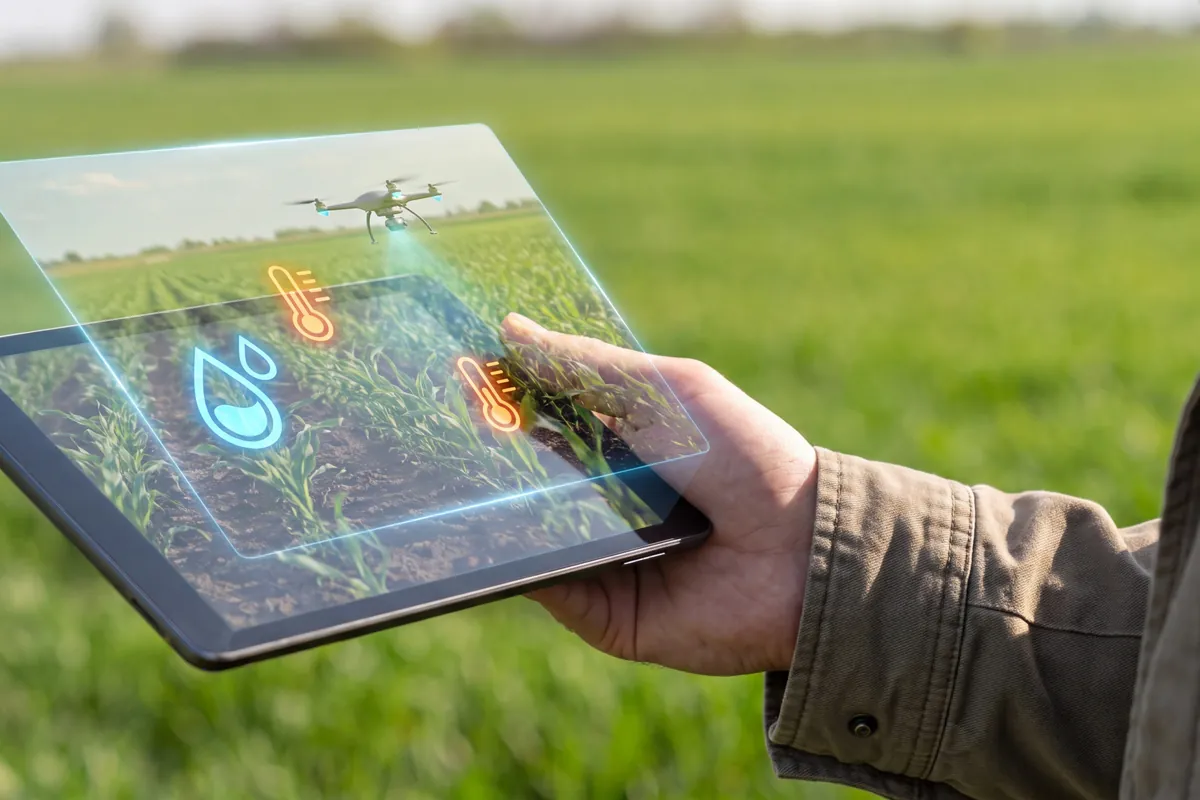 Satellite data and AI help manufacturers detect crop risks before supply disruptions emerge.By combining field-level satellite data with weather, climate, and crop information, businesses can identify emerging risks earlier, understand how those risks differ across origins and commodities, and make more informed decisions before disruptions ripple through the broader supply chain.
How could the weather risks identified in Ecuador, Ghana, and Côte d’Ivoire affect cocoa ingredient availability, quality, and pricing for food manufacturers in 2027?
Horn: The risks are developing in different directions, which makes the overall picture particularly important. In southern Côte d’Ivoire, Treefera recorded a drought reading of 0.87 in the week ending October 19, on a scale where 1 represents severe conditions. Ghana’s Western North also showed elevated dryness, while Ecuador is experiencing the opposite problem — Treefera recorded a disease reading of 0.50 on October 10, a record for that time of year and above the 0.33 peak recorded during the 2023–24 El Niño.
These readings do not represent crop-loss estimates, but they highlight conditions that can affect pod health, flowering, and ultimately production. If these pressures persist or occur simultaneously across major producing regions, they could tighten cocoa availability, increase quality variability, and put renewed pressure on ingredient prices in 2027.
What would it take for these disruptions to overturn the projected cocoa surplus, and which early indicators should ingredient buyers monitor?
Horn: A surplus on paper can still leave manufacturers exposed if production risks start stacking up across key origins. Current forecasts point to a modest global surplus, which provides some buffer. However, a meaningful production loss in Ecuador combined with renewed pressure in West Africa could narrow that cushion or push the market back into deficit.
Buyers shouldn’t wait for official production figures, which come late. The earliest warnings come from conditions on the farm, where the cocoa is grown. That means monitoring rainfall and drought conditions, crop disease, heat and water stress, crop development, and flowering conditions, and how those signals evolve across major producing regions. The timing matters because early changes in growing conditions can provide an indication of future supply well before they appear in official production figures.
Could increasingly unpredictable cocoa supplies strengthen the business case for cocoa alternatives, and what factors should manufacturers consider before reformulating?
Horn: Yes. Greater cocoa supply volatility could strengthen the case for manufacturers to evaluate alternatives and build more flexibility into their ingredient strategies. When cocoa neared US$13,000 a ton in 2024, many manufacturers cut cocoa content, and several well-known UK brands now carry “chocolate flavor” on the pack. These were rational responses to an extreme market. With El Niño now creating flooding risks in Ecuador and dryness across West Africa at the same time, the pressure to reduce cocoa dependence is unlikely to go away.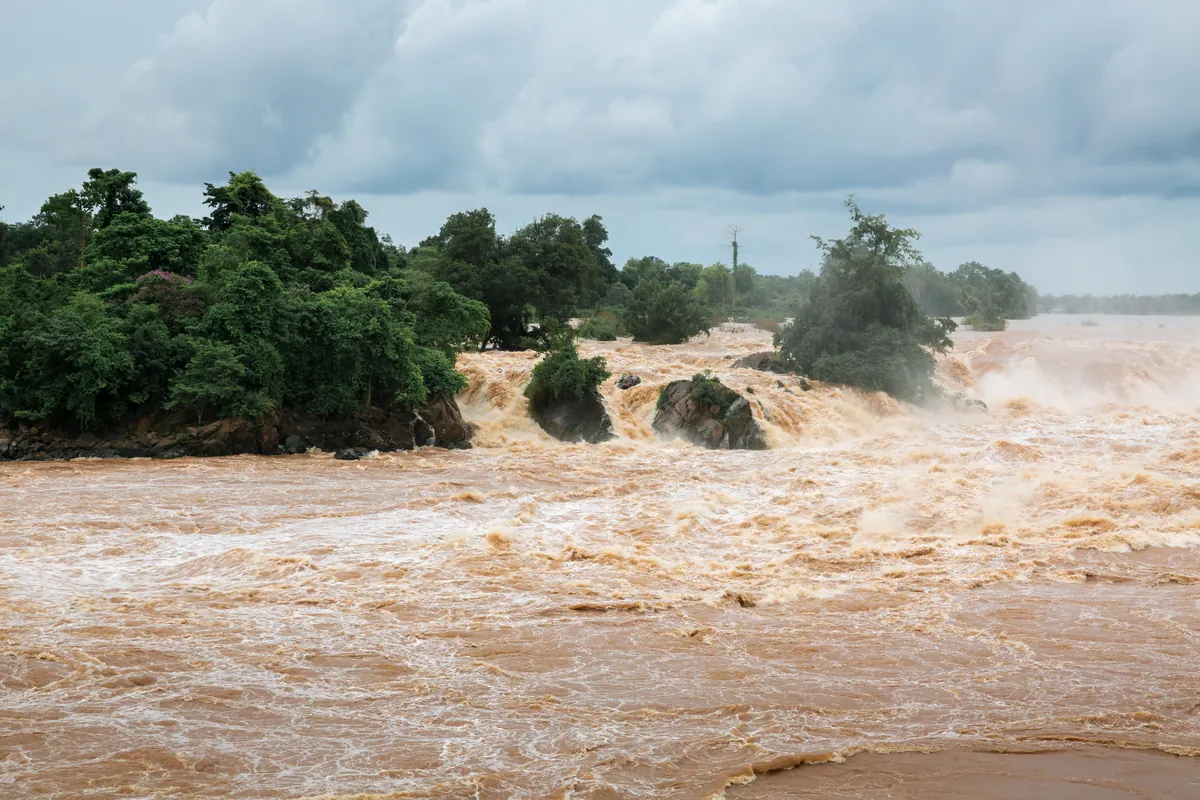 Weather pressures in major cocoa-growing regions could strengthen the case for cocoa alternatives.
However, alternatives need to deliver on more than cost. Manufacturers should consider product performance, quality, consumer expectations, scalability, and the reliability of the alternative’s supply chain. Most of these decisions ultimately come down to understanding what is happening at the first mile. Manufacturers that can distinguish a bad season from a longer-term decline in supply will be better positioned to decide when to reformulate and when to hold.
Beyond cocoa, which food ingredients face the greatest potential disruption from El Niño, and how can manufacturers identify risks across interconnected supply chains?
Horn: El Niño can affect commodities differently depending on geography, crop health, growing cycle, and the timing of the event. Treefera’s Market Intelligence dashboard provides visibility across commodities including cocoa, coffee, soy, corn, wheat, palm oil and beef. Its 2026–27 El Niño analysis specifically covers coffee, cocoa, US wheat, and US corn, alongside a broader risk matrix that includes soy and other commodities.
For example, Treefera’s coffee insight report shows elevated stress in 25% of robusta coffee areas in Vietnam’s Lâm Đồng region, compared with roughly 5% nationally. It also shows that less than 1% of the coffee area in Brazil’s Sul de Minas was under meaningful stress. For soy, Treefera’s October Market Insight forecasts Brazil's 2026/27 soybean area at 50.30 million hectares, compared with CONAB’s 49.3 million hectares.
The broader lesson is that manufacturers need visibility across the interconnected supply chain. Treefera’s platform combines satellite, weather, climate, and environmental signals at field level to help identify where production risk is emerging, how conditions are changing, and where supply exposure may be building before it appears in aggregated market data.