



MycoTechnology unlocks honey truffle sweet protein for sustainable sugar reduction

Key takeaways
- MycoTechnology’s Honey Truffle Sweet Protein is a natural, high-intensity sweetener made through precision fermentation, offering up to 2,500 times the sweetness of sucrose.
- The sweet protein provides a sustainable alternative to sugar, reducing the need for resource-intensive farming and supporting eco-friendly production methods.
- The company focuses on meeting consumer demand for clean label, plant-based ingredients while addressing sugar reduction challenges in F&B manufacturing.
 (Image credit: MycoTechnology).
As concerns about sugar consumption grow, the F&B industry is increasingly turning to innovative solutions to reduce sugar intake. Manufacturers are swapping traditional sweeteners for more sustainable, clean label ingredients, such as MycoTechnology. The company claims that its precision fermentation-based Honey Truffle Sweet Protein is the “first ever” honey truffle sweet protein to be created.
The ingredient is said to be up to 2,500 times sweeter than sucrose and equivalent to nearly 216 teaspoons of sugar.
MycoTechnology isolated the protein responsible for the intense sweetness of honey truffles and is producing the first ever Honey Truffle Sweet Protein using precision fermentation, says the company. It also utilizes mycelial fermentation to create ClearIQ, a natural flavor modifier.

The innovation comes as foods High in Fat, Sugar, or Salt (HFSS) are heavily scrutinized, with regulators tightening legislation and consumers looking for healthier choices for better well-being. Public policies like the UK’s HFSS law — which restricts promotions of high‑sugar products — are encouraging manufacturers to rethink ingredient strategies.
Innova Market Insights research shows that nearly 72% of global consumers “actively” limit their sugar intake, and the sweetener market grew an average of 8% from July 2020 to June 2025. Ingredients such as stevia Reb M, sweet proteins, and rare sugars like allulose are redefining sweetness in F&B.
Food Ingredients First speaks with Ranjan Patnaik, CTO at Mycotechnology, about the company’s “new approach” to sugar reduction and how its precision fermentation-based high-intensity sweetening ingredient fits into the sustainable sugar alternative landscape.
With the growing demand for clean label and plant-based ingredients, how does mycelial fermentation meet these needs in the sweetener market?
Patnaik: Consumers increasingly seek products that support their health and wellness goals, with cleaner labels and more natural ingredients, yet without compromising taste or flavor. Sugar reduction is also a top priority, with six in ten Americans concerned about the amount of sugar they consume, and more than half concerned with the type of sugar (2025 IFIC Food and Health Survey).
This presents F&B manufacturers with the unique opportunity to innovate on formulations, adopt clean labels, naturally-derived ingredients, and explore alternative solutions to reduce sugar. Honey truffle sweet protein is a new approach to sugar reduction, developed through advanced fermentation technology. It’s naturally derived and offers uniquely clean sweetness with minimal off-notes and no calories at typical usage levels, giving it broad consumer appeal and meeting the demand for clean label solutions that maintain great taste.
What role does mycelial fermentation play in sugar reduction?
Patnaik: MycoTechnology offers manufacturers solutions for clean label ingredients that support sugar reduction. Honey truffle sweet protein is a naturally-derived, high-intensity sweetening ingredient made by precision fermentation that delivers a clean sweet taste with minimal off-notes. This is the first-ever honey truffle sweet protein to be created and has the potential to revolutionize sugar reduction solutions for both everyday and indulgent products.
MycoTechnology’s portfolio also includes natural flavor solutions that address taste modulation challenges in sweetness-profile targets. ClearIQ is a natural, cleanlabel flavor modifier produced from mycelial fermentation that can neutralize off-notes common to some alternative sweeteners, thereby aiding in sugar reduction. ClearHT is also derived from honey truffles and produced with the power of precision fermentation. This unique solution facilitates sugar reduction by elevating flavors naturally, for example, intensifying the perception of sweet vanilla flavors or accentuating caramel, toffee, and chocolate flavors.
 Honey truffle sweet protein is naturally derived and offers clean sweetness with minimal off-notes, says Patnaik.
How does honey truffle sweet protein fit into the landscape of sugar alternatives and compare to other natural sweeteners?
Patnaik: Honey Truffle Sweet Protein is an unparalleled solution to create food and beverages that are not only delicious and healthy, but also cost-effective and sustainable. It’s remarkably sweet – up to 2,500 times sweeter than sucrose and able to replace between 43 and 216 teaspoons of sugar, depending on application. This advanced fermentation process means that Honey Truffle Sweet Protein’s production is reliable, consistent, and scalable, and less vulnerable to unpredictable variables like climate and contamination.
How does mycelial fermentation contribute to sustainability in the production of sweeteners and other food ingredients?
Patnaik: MycoTechnology is pioneering mycelium-based and other fungal-based taste modulation solutions to help build a more sustainable food system. Our mycelium-based food technologies reduce agricultural carbon footprint by replacing resource-intensive food sources with eco-friendly alternatives. Both mycelial fermentation and advanced fermentation (precision fermentation) support sustainable agriculture by creating new production pathways that minimize environmental impact. The result is a scalable approach that supports more resilient, lower-impact food production, including sweeteners and other key ingredients.
What are the challenges in scaling up mycelial fermentation for sweeteners, and how can manufacturers overcome these obstacles?
Patnaik: Precision fermentation offers a more sustainable solution to bring Honey Truffle Sweet Protein production to scale, as manufacturing sweet proteins directly from their natural source by extraction is not commercially viable nor desirable from an environmental management and sustainability standpoint. Precision fermentation offers a safe, economical, and commercially scalable manufacturing option. This advanced method reduces the need for intensive farming and better utilizes resources, working in harmony with nature. Production is reliable, consistent, and less vulnerable to unpredictable variables like climate and contamination.
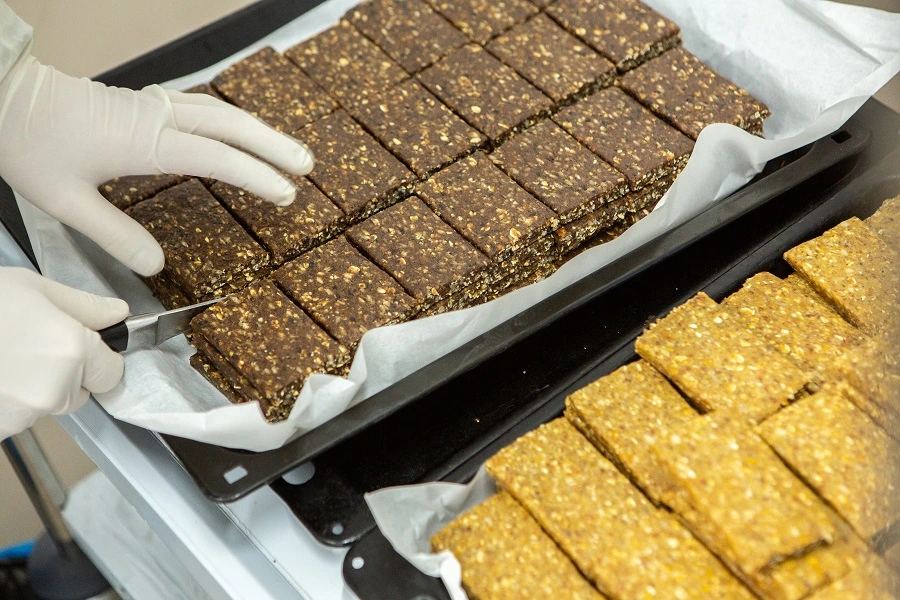 Manufacturers can use honey truffle sweet protein in protein bars, sports nutrition powders, and protein shakes.
How can mycelial fermentation be integrated into existing food production systems without compromising taste or texture?
Patnaik: To achieve sugar reduction while maintaining an enjoyable taste, manufacturers often use a combination of ingredients. Honey Truffle Sweet Protein works well with both sugar and stevia. We recommend blending it to mimic the sweetness curve of sugar. It works well in beverage applications such as sports nutrition powders, protein shakes, and powdered supplements; in bars, especially protein bars; and in products with inherent bitterness, such as chocolate. In our FMP natural flavors portfolio, ClearIQ enhances flavor while reducing bitterness and lingering sweetness associated with non-nutritive sweeteners like stevia. We’ve found it noticeably improves the flavor profile of chocolate and chocolate compounds.
How do you see mycelial fermentation driving the future of alternative sweeteners, and what impact will it have on the broader food industry?
Patnaik: We expect sugar reduction and better-for-you alternatives to continue driving innovation in the food industry. Fungi-based ingredients offer meaningful opportunities for natural-product reformulations and new product development that rely on sustainable production processes. We’re innovating with mycelial fermentation, developing ingredient solutions that are both sustainable and great tasting for manufacturers to meet consumer demands.