


Israeli start-up unveils commercial production line for upcycled olive flour

Key takeaways
- PhenOlives launches the “world’s first” commercial production line for upcycled olive flour.
- The new facility aims to produce up to 400 tons of olive flour per season, helping olive mills reduce waste disposal costs and create new revenue streams.
- The start-up’s chemical-free process converts up to 85% of the olive mass into high-value food ingredients.
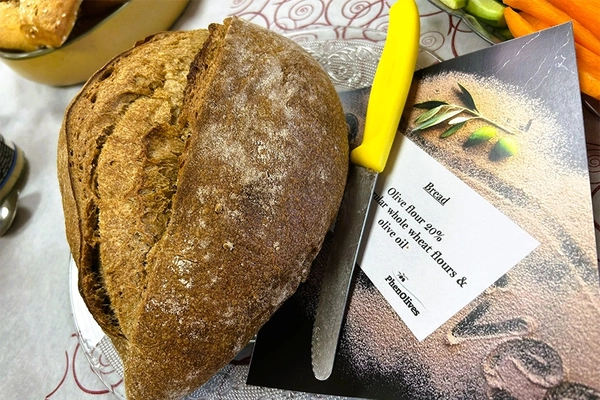
PhenOlives, an Israeli food-tech start-up, has launched what is hailed as the “world’s first” commercial production line for upcycled olive flour, turning olive waste into a new revenue stream for olive mills. The new facility in the ASSI Olive Mill in Emek Hama’ayanot marks the transition from concept validation to large-scale production, targeting up to 400 tons of olive flour each season.
The milestone comes at a critical moment for the olive oil industry. Climate-driven volatility has reduced olive oil yields across parts of Europe, increasing pressure on mill profitability, while environmental impacts and disposal costs for pomace (residue) pose profitability challenges for the sector.

PhenOlives says it converts the costly waste stream into a consistent, market-ready food ingredient at an industrial scale, adding that it operates in parallel with olive oil production, with minimal staffing and no chemical processing. The low-calorie ingredient is high in fiber and gluten-free.
“Out of an estimated 25,000 olive mills worldwide, there is now one operating mill that turns olive oil waste into a commercially viable product — a landmark moment for the olive oil sector and a strong validation of PhenOlives’ commercial readiness,” says Chen Lev-Ari, CEO at PhenOlives.
“We now have a working, automated system alongside a real olive mill, producing tons of finished product. That changes the conversation entirely for both olive mills and food manufacturers.”
“This is not just a sustainability story — it is a business opportunity,” Lev-Ari continues. “Olive mills can diversify income, stabilize revenues in difficult seasons, and become ingredient producers without changing their core operations.”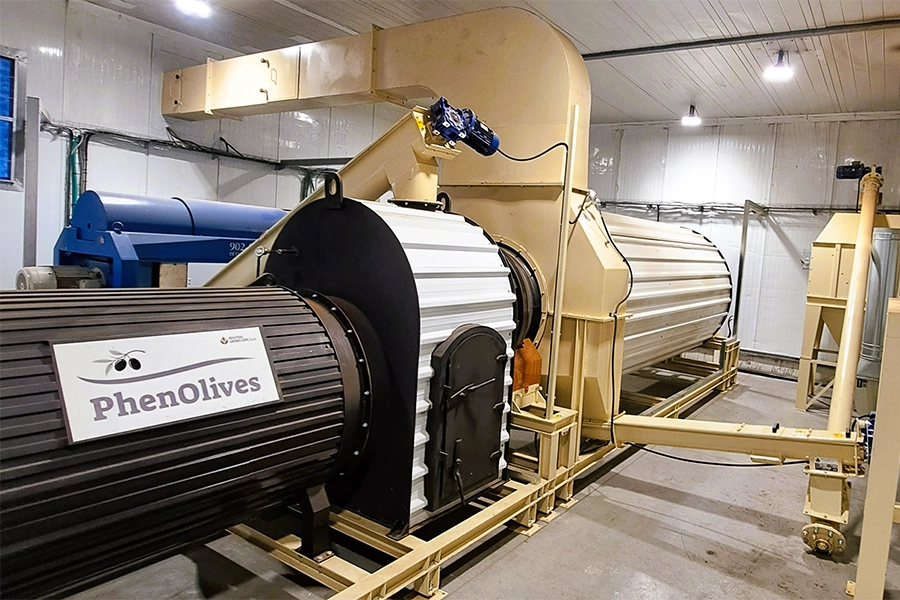 PhenOlives has launched a commercial production line for upcycled olive flour, transforming olive mill waste into high-value, chemical-free food ingredients.
Commercial opportunities for upcycled olive flour
The start-up is engaging food companies interested in sourcing olive flour and olive mills seeking to install the system as an add-on to existing operations. PhenOlives expects the facility to reach ~400 tons of olive flour per season from 2026/27 onwards — depending on harvest size.
The patented, chemical-free production process stops the oxidation of olive oil byproducts, including seeds, pulp, and black water, enabling the conversion of the entire byproduct stream (~85% of the original olive mass left after oil extraction) into olive flour and other high-value ingredients, such as olive kernels and polyphenols.
“This is the first step in reshaping how the olive oil industry thinks about waste,” says Lev-Ari. “We have demonstrated that what was once a burden can become a valuable ingredient — and that olive mills can be central players in the future of sustainable food systems.”