

EU-Mercosur trade deal: Export-oriented food sectors demand swift signature


Key takeaways
- European F&B sectors are calling for the swift EU-Mercosur signature, citing export opportunities and access to critical raw materials from South America.
- The coalition notably excludes livestock farmers, who have fiercely opposed the deal, warning of market decimation from cheaper imports.
- Environmental groups question the agreement’s climate commitments amid concerns that increased agricultural trade could increase deforestation.
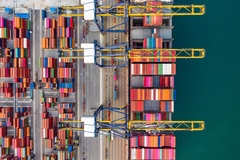
Ten European F&B industry groups are calling for the immediate signing of the EU-Mercosur trade agreement ahead of a crucial European Council vote, asserting that the 25-year-old deal is essential for competitiveness and economic resilience in the bloc.
The coalition — representing brewers, spirits producers, wine companies, chocolate and confectionery manufacturers, sugar refiners and users, dairy processors, olive oil producers, and specialized nutrition companies — emphasizes the agreement will eliminate trade barriers and secure critical raw material supplies from South American markets.
The EU-Mercosur free trade agreement would create one of the world’s largest open markets, covering nearly 800 million people across the EU and the Mercosur bloc of Argentina, Brazil, Paraguay, and Uruguay. First proposed in 1999, negotiators reached an agreement in principle in 2019, though fierce opposition from farmers and environmental groups has repeatedly stalled progress.
The commission finalized the deal in December 2024 and formally proposed it for approval in September. The agreement now requires endorsement from EU member states through a council vote, followed by European Parliament ratification.
The coalition’s joint statement stresses that Mercosur countries offer both growth opportunities for European exports and serve as strategic suppliers of raw materials essential to food and drink production. The agreement would eliminate or substantially reduce tariffs currently as high as 35% on spirits, 27% on wines, 28% on dairy products, and 20% on chocolate.
It would also protect 344 European Geographical Indications from imitation in Mercosur markets, covering products like Parmigiano Reggiano cheese, Champagne, and various regional wines and spirits.
Livestock farming opposition
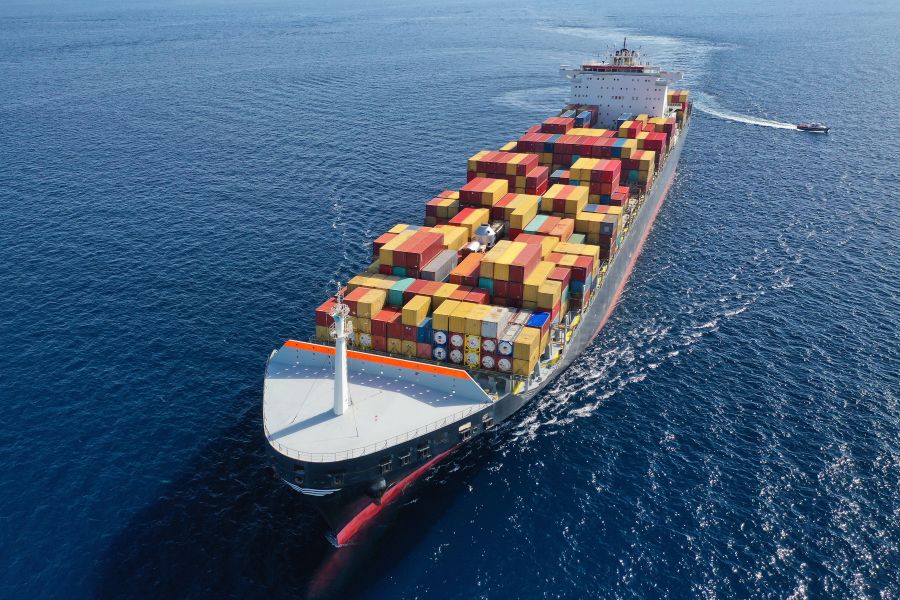 The EU farming and livestock industries see the deal as a potential threat to European F&B standards.However, the coalition’s unified front represents only one segment of Europe’s divided food industry. Notably absent from the statement are livestock farming organizations and primary agricultural producers — the sectors that have mounted the fiercest opposition throughout 2024 and 2025.
As Food Ingredients First reported in December, European farmer unions warned the deal would “decimate” beef and poultry sectors through increased imports from countries with lower production standards. The Irish Farmers Association called it “the height of hypocrisy,” arguing EU farmers would face unfair competition from imports produced under less stringent regulations.
The agreement establishes a phased quota of 99,000 metric tons of beef entering at reduced tariffs and 180,000 metric tons of duty-free poultry — volumes that represent roughly 18% of current EU beef production, according to farming groups. However, supporters note that this accounts for less than 1% of total European beef consumption.
Environmental concerns have also shadowed the deal throughout the year. Research published in June by Dutch platform Profundo estimated that Brazilian meat giant JBS could earn €1.7 billion (US$2 billion) in additional profits by 2040 if the agreement is adopted, raising questions about whether increased agricultural trade would drive further Amazon deforestation.
Greenpeace and other environmental organizations have warned that a recently added provision allowing Mercosur nations to file complaints against the EU Deforestation Regulation and seek financial compensation could undermine enforcement of Europe's pioneering anti-deforestation law.
Protecting European standards
The coalition statement insists the agreement contains “concrete commitments” on environmental protection and climate action, building on a “modern, balanced, and responsible foundation.” It also emphasizes that EU food safety standards will remain unchanged and safeguard mechanisms will protect against market disruption.
Meanwhile, the alcohol sector has emerged as the deal’s most vocal industry supporter. SpiritsEurope and the European Committee of Wine Companies have repeatedly urged swift ratification throughout 2025, viewing Mercosur’s 280 million consumers and nearly US$3 trillion GDP as crucial for diversifying markets amid declining wine consumption in traditional European markets and escalating US trade tensions.
The coalition has not responded to questions about the absence of livestock representatives, how safeguards would protect vulnerable sectors, or how environmental commitments would be enforced.
Major political obstacles to the deal remain. France has maintained vocal opposition, while Poland and several other member states have expressed reservations. The agreement requires approval from both the EU Council and Parliament, with four or more member states potentially able to block signature.
As the council vote approaches, the coalition’s push highlights the fundamental tension in European agriculture: value-added processors and exporters see vast opportunity in South American markets, while primary producers fear displacement by cheaper imports produced under different regulatory frameworks.
Signatories include The Brewers of Europe, SpiritsEurope, the European Committee of Wine Companies, CAOBISCO (chocolate, biscuit and confectionery), the European Dairy Association, Eucolait, the European Sugar Refineries Association, the Committee of European Sugar Users, Specialised Nutrition Europe, and Fedolive (olive oil).